How the Wage Gap Drives Higher Anxiety and Depression in Women

featured 26729

Wage gap linked to higher rates of depression and anxiety among women New research from Columbia University’s Mailman School of Public Health finds a strong association between the gender wage gap and elevated rates of major depressive disorder and generalized anxiety disorder among U.S. working women. The study, published in Social Science & Medicine, analyzed … Read more

Brain Roadmap and Glossary: Navigate Neuroanatomy

featured 13409

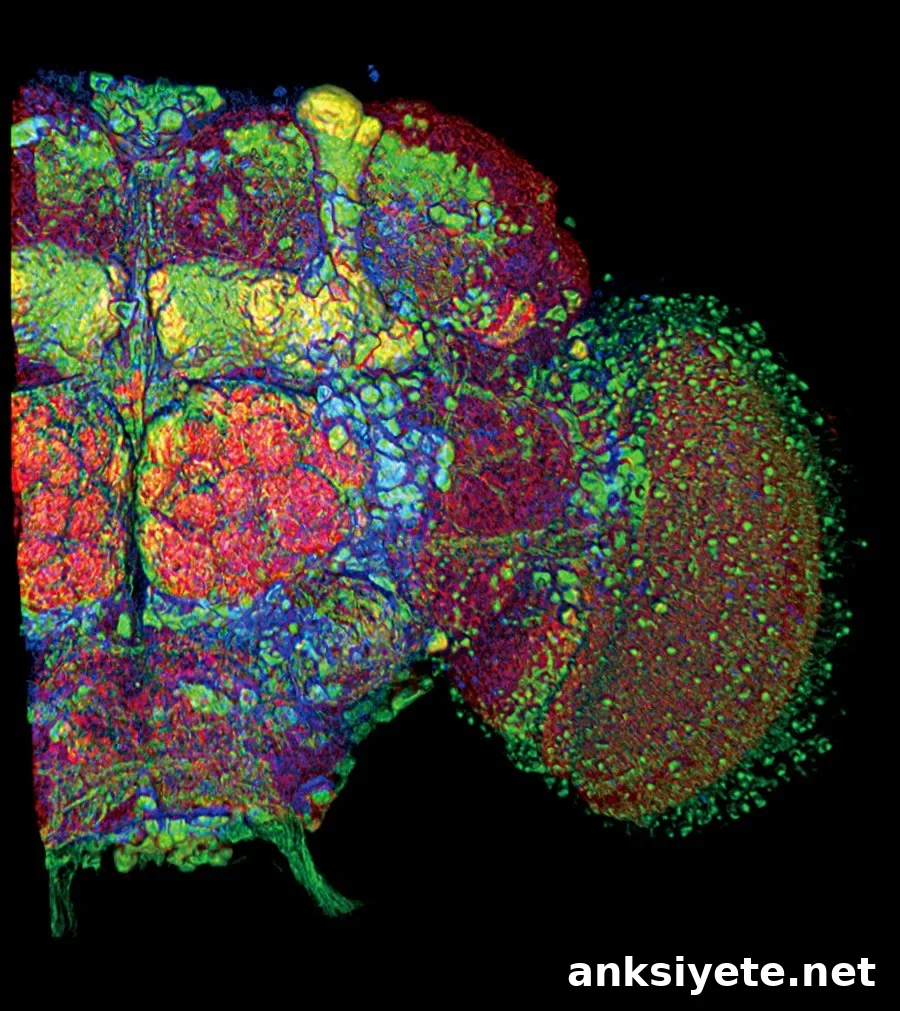
By providing a standardized nomenclature for insect brain architecture, University of Arizona neuroscientists have created a foundation that will improve studies of brain function and disease in humans. Studying the brain is challenging enough without inconsistent terminology. An international team of neuroscientists has expanded the catalog of identified insect brain structures and established a clear, … Read more

Neurodiversity: From Stigma to Strength

featured 100923

Summary: A new study underscores the importance of recognizing and celebrating the diverse strengths of people with neurodevelopmental conditions such as ADHD, dyslexia, autism, Williams syndrome, developmental coordination disorder and aphantasia. Rather than focusing solely on deficits, the research calls for a strengths-based perspective that highlights creativity, resilience, enhanced perception and problem-solving abilities. The authors … Read more

New Approaches to Identifying Brain Cell Types

featured 61155

Summary: Researchers evaluate whether a neuron’s identity can be defined solely by the genes it expresses and find that combining transcriptomic data with other cellular measurements gives a more reliable classification. Source: Marine Biological Laboratory For decades, neuroscientists have sought a clear and useful way to classify the brain’s many cell types. Reliable categories help … Read more

Parents’ Depression Linked to Teen Risk-Taking

featured 30695

New research finds that parental depressive symptoms are linked to increased brain activity in adolescents’ reward-related regions, which corresponds with greater risk-taking and rule-breaking behaviors. The study, published in the journal Social Cognitive and Affective Neuroscience, is the first to show longitudinal changes in adolescents’ brain function that help explain how parental depression relates to … Read more

How Hormones Shape Sex Differences in the Brain

featured 82525

Summary: New research shows that estrogen produces lasting physical differences between male and female brains during development. Source: CSHL Sex hormones are powerful architects of behavior, and their influence begins early in life. Brief hormonal surges during development help shape neural circuits that direct behavior throughout an animal’s life. Estrogen controls the activity of hundreds … Read more

How Artificial Brain Design Sheds Light on Real Brains

featured 62357

Summary: The lessons learned from developing artificial neural networks offer a practical framework for studying the brain as a computational system rather than as a disconnected collection of individual cells. Applying insights from AI can accelerate our understanding of human cognition, behavior and neurodegenerative disease. Source: The Conversation Despite decades of research and large investments, … Read more

High Blood Pressure in Your 30s Tied to Brain Decline by Age 70

featured 92212

Summary: High blood pressure in your 30s increases the risk of cognitive decline and dementia decades later. Early detection and treatment of hypertension may help reduce the likelihood of dementia and Alzheimer’s disease in later life. Source: UC Davis New research from UC Davis links high blood pressure in your 30s to poorer brain health … Read more

Study: Higher Education Doesn’t Affect Brain Aging

featured 73516

Summary: A major longitudinal study challenges the common assumption that higher education slows the rate of brain aging. Source: Norwegian Institute of Public Health New research from the Lifebrain consortium at the University of Oslo indicates that higher education does not slow the biological aging of the brain. “These results suggest that higher education does … Read more

Feeling Lonely? How Music Can Lift Your Spirits

featured 74351

Summary: New research finds that people who feel lonely or socially isolated tend to prefer louder sounds—like music or background noise—than those who feel socially connected. Higher volume may help reduce the negative feelings associated with social exclusion. Source: James Cook University Sound may offer a simple, low-cost way to ease feelings of loneliness and … Read more