
Summary: New laboratory research points to a possible therapeutic pathway for secondary progressive multiple sclerosis (SPMS).
Source: Brigham and Women’s Hospital.
Study clarifies biological processes in progressive multiple sclerosis and identifies a potential treatment approach.
Researchers at Brigham and Women’s Hospital have uncovered how an FDA‑approved medication affects cells in the central nervous system to reduce chronic inflammation in a mouse model. The drug, FTY720 (also known as fingolimod), modulates signaling through sphingosine‑1‑phosphate receptors (S1PRs) and appears to alter the behavior of astrocytes—brain cells that can promote or limit neuroinflammation. These findings point to FTY720 as a candidate for further study in secondary progressive multiple sclerosis (SPMS), a form of MS that currently has few effective treatment options.
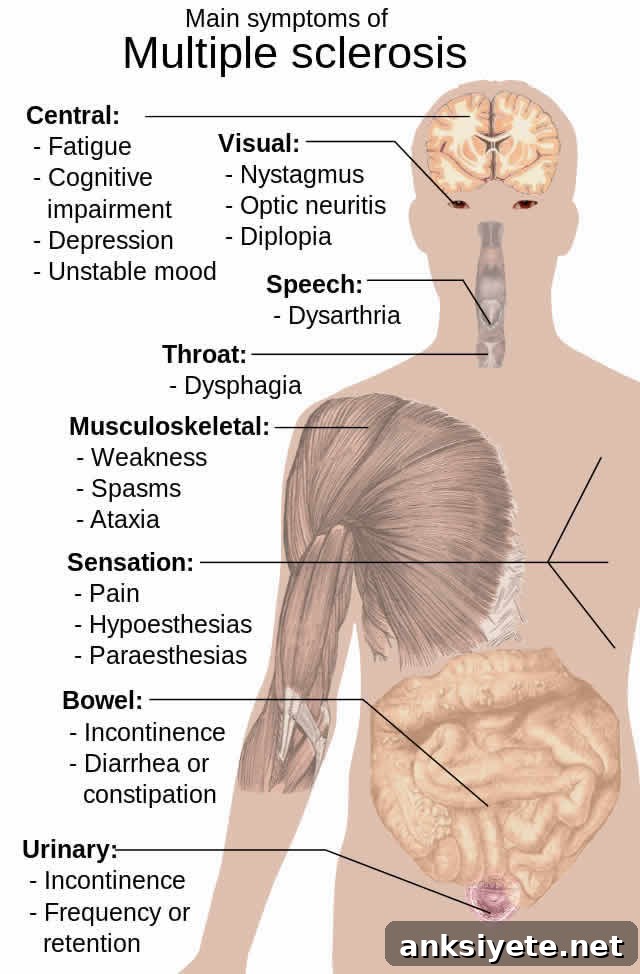
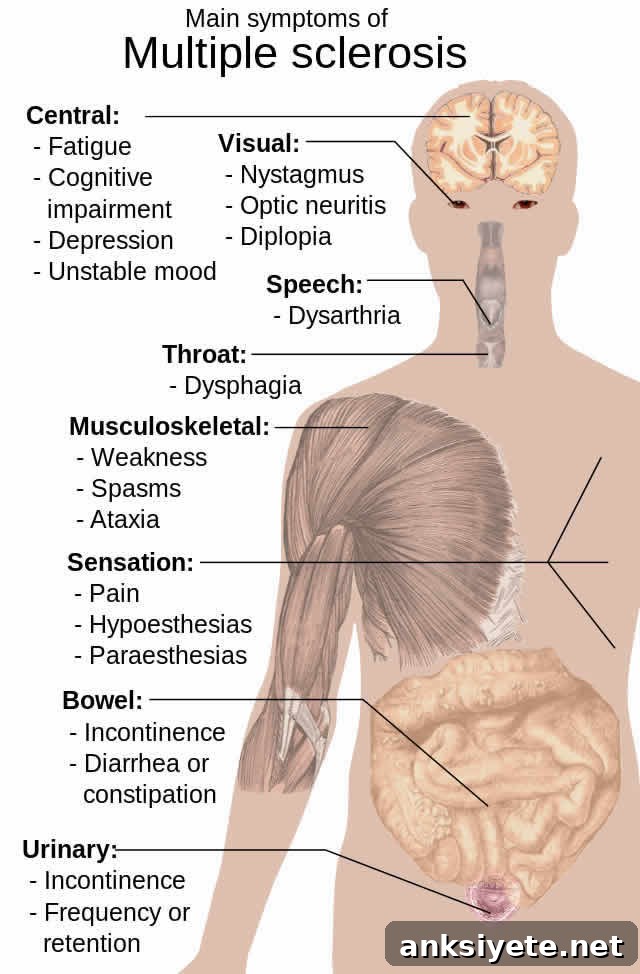
Multiple sclerosis (MS) is an autoimmune disease of the central nervous system that commonly starts with relapsing‑remitting episodes and, in many people, advances to a secondary progressive phase (SPMS). SPMS involves steady neurological decline and neurodegeneration that current relapsing‑phase therapies generally fail to prevent. Identifying biological mechanisms that drive progression is essential to developing effective interventions for this stage of the disease.
The new study, published in Proceedings of the National Academy of Sciences (PNAS) and led by Francisco Quintana, PhD, and colleagues, examines how modulation of sphingosine‑1‑phosphate receptors influences astrocyte activity. Astrocytes are supportive glial cells that, under some conditions, adopt pro‑inflammatory and neurotoxic roles that contribute to disease progression. The investigators show that blocking specific S1PR signals with FTY720 reduces astrocytes’ pro‑inflammatory and neurodegenerative behaviors while enhancing their anti‑inflammatory functions in both mouse and human cells.
Using a mouse model that reproduces several aspects of SPMS—chronic neurodegeneration and CNS inflammation driven by innate immune responses—the researchers found that FTY720 treatment ameliorated disease progression. Genome‑wide transcriptional analyses revealed that FTY720 suppresses gene expression programs in astrocytes that are associated with driving chronic inflammation and neurodegeneration. In addition, modulation of S1PR signaling altered interactions between astrocytes, microglia, and infiltrating proinflammatory monocytes in ways that reduce tissue damage.
Although the neuroprotective effects observed in this study are not as large as those seen with some other experimental compounds in different settings, the results still support the idea that S1PR modulation can target pathways relevant to SPMS. Quintana and colleagues note that a closely related compound is being evaluated in clinical trials, and early reports from that development program are encouraging, supporting further investigation into S1PR‑targeted strategies for progressive MS.
Source: Lori Schroth, Brigham and Women’s Hospital
Image source: Illustrative image in the public domain.
Original research: “Sphingosine‑1‑phosphate receptor modulation suppresses pathogenic astrocyte activation and chronic progression CNS inflammation.” Authors include Veit Rothhammer, Jessica E. Kenison, Emily Tjon, Maisa C. Takenaka, Kalil Alves de Lima, Davis M. Borucki, Chun‑Cheih Chao, Annabel Wilz, Manon Blain, Luke Healy, Jack Antel, and Francisco J. Quintana. Published in PNAS, online February 6, 2017. DOI: 10.1073/pnas.1615413114
Abstract (concise summary)
Secondary progressive multiple sclerosis is characterized by the gradual accumulation of neurological deficits and neurodegeneration. While effective disease‑modifying therapies exist for early relapsing‑remitting MS, they generally lack efficacy in SPMS. The study demonstrates that fingolimod (FTY720), an S1PR modulator, reduces progression and neurodegeneration in a nonobese diabetic mouse model that mirrors several pathological features of SPMS. In both mouse and human astrocytes, S1PR modulation suppressed pathways that promote neurodegeneration and chronic inflammation. Genome‑wide analyses indicate that FTY720 downregulates transcriptional programs in astrocytes linked to disease progression. These molecular insights highlight S1PR signaling and astrocyte biology as promising targets for developing treatments for progressive forms of MS.
The study emphasizes the importance of defining molecular mechanisms in progressive MS and suggests that targeting astrocyte signaling pathways could open new therapeutic avenues. While translating animal and cell findings into clinical benefit requires further validation, this work adds to a growing body of research aiming to address the unmet medical need for effective SPMS treatments.