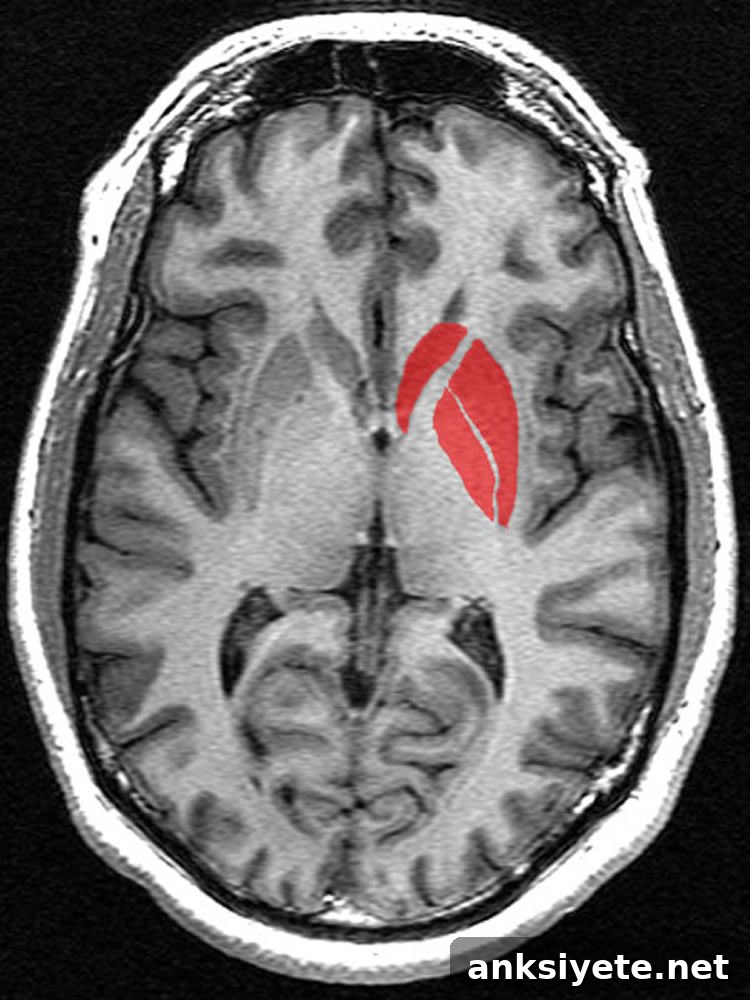
New research finds that parental depressive symptoms are linked to increased brain activity in adolescents’ reward-related regions, which corresponds with greater risk-taking and rule-breaking behaviors.
The study, published in the journal Social Cognitive and Affective Neuroscience, is the first to show longitudinal changes in adolescents’ brain function that help explain how parental depression relates to teenagers’ risky behavior.
Researchers from the University of Illinois followed 23 adolescents, ages 15 to 17, across 18 months using cognitive assessments and functional magnetic resonance imaging (fMRI). During scans, teens completed a computerized risk-taking task in which they repeatedly inflated a virtual balloon: each click earned more potential reward but increased the chance the balloon would pop and the reward would be lost. This behavioral task has been used to measure risk-taking tendencies in controlled settings.
The team collected self-reports from parents about depressive symptoms—everyday feelings such as persistent low mood or reduced energy—even when those parents were not diagnosed with clinical depression or receiving treatment. Adolescents completed questionnaires about externalizing behaviors, including rule-breaking, sneaking out, substance use, and similar activities.
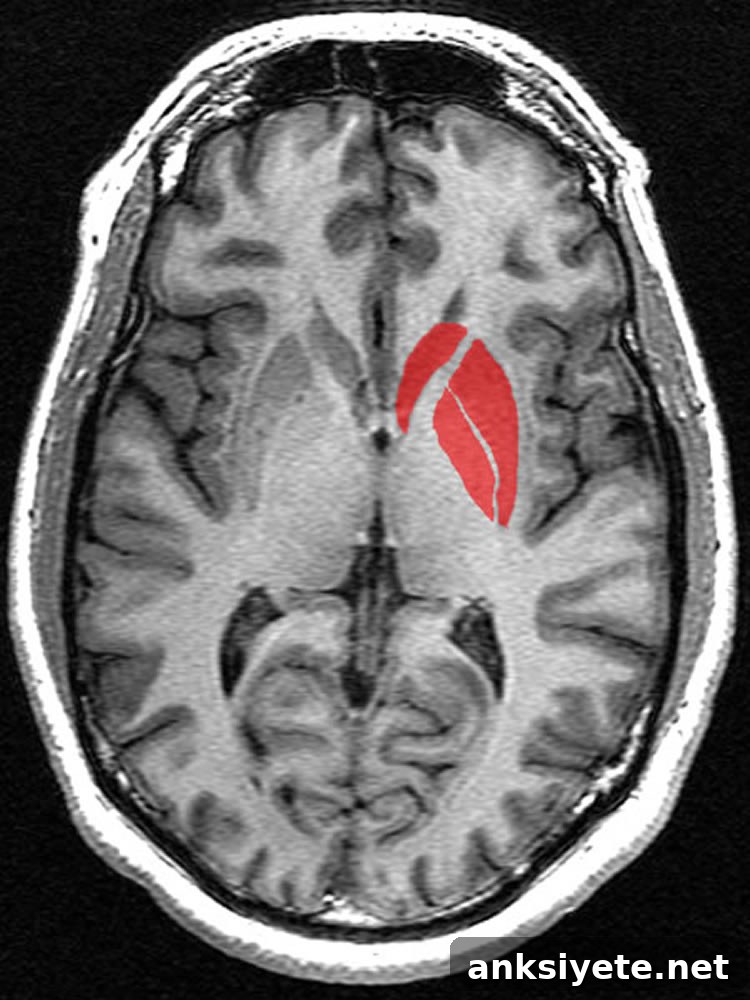
Over the course of the study, adolescents whose parents reported higher levels of depressive symptoms showed larger increases in risk-taking behavior on the balloon task and reported greater increases in rule-breaking and other externalizing behaviors. Parallel changes were observed in the adolescents’ brain responses to rewards: fMRI scans revealed longitudinal increases in activity in the ventral striatum and in the dorsolateral prefrontal cortex when adolescents made risky choices and received rewarding outcomes.
Specifically, increased activation of the ventral striatum—a neural hub for reward sensitivity and approach-related motivation—appeared to mediate the relationship between parental depressive symptoms and adolescents’ escalating risk-taking and rule-breaking. In other words, parental depressive symptoms were associated with changes in youths’ brain reactivity to rewards over time, and those neural changes were linked to behavioral increases in risk taking and externalizing actions.
Lead author Yang Qu, a graduate student at the University of Illinois, and senior researcher Eva Telzer note that adolescence is a developmental window marked by heightened sensitivity to rewards and evolving self-regulation. Even when parents do not meet clinical diagnostic criteria for depression, their persistent negative moods can be picked up by their children and may subtly shape adolescents’ emotional environment and the way their developing brains respond to incentives and risk.
These findings strengthen existing evidence that parental mental health affects adolescent behavior not only through direct family dynamics or modeling, but also through measurable changes in neural circuitry related to reward processing. Understanding this neural pathway helps explain why adolescents exposed to parental depressive symptoms may be more likely to escalate risky activities over time.
Source: Sarah Banducci, University of Illinois.
Image Source: Public domain image used for illustration.
Original research: Study titled “Links between parental depression and longitudinal changes in youths’ neural sensitivity to rewards” by Yang Qu, Andrew J. Fuligni, Adriana Galván, Matthew D. Lieberman, and Eva H. Telzer, published in Social Cognitive and Affective Neuroscience. The research used a longitudinal fMRI design to examine associations between parental depressive symptoms, changes in adolescents’ neural sensitivity to rewards, and changes in risk-taking and externalizing behavior.
Abstract
Links between parental depression and longitudinal changes in youths’ neural sensitivity to rewards
Parental depression is a significant risk factor for adolescent engagement in risky behavior. However, the neural mechanisms that mediate this link have remained unclear. Using a longitudinal fMRI approach, researchers investigated how parental depressive symptoms relate to changes in adolescents’ neural reactivity to rewards during a risk-taking task, and whether such neural changes predict changes in risk-taking behavior. Greater parental depressive symptoms were associated with increases in adolescents’ risk taking and self-reported externalizing behaviors over time. At the neural level, adolescents whose parents reported higher depressive symptoms showed longitudinal increases in reward-related activity in the ventral striatum and dorsolateral prefrontal cortex during risk taking. Increases in ventral striatum activation over time mediated the association between parental depressive symptoms and adolescents’ growing risk taking and externalizing behavior. These findings offer novel evidence that parental depression may contribute to changes in adolescents’ neural sensitivity to rewards, which in turn are associated with greater increases in risk-taking and externalizing behavior.