Scientists Map Brain Circuits Behind Aversion
featured 54220

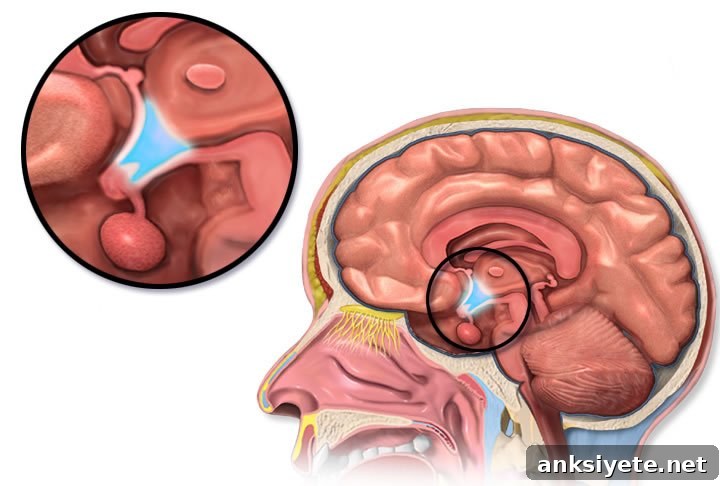
Summary: Researchers have identified a distinct hypothalamus-to-habenula pathway that helps control sensations of aversion. Source: Karolinska Institute. Researchers at Karolinska Institutet have pinpointed a brain circuit that governs aversion. A new study in Molecular Psychiatry maps the neuronal pathway from the hypothalamus to the lateral habenula and shows how this connection shapes negative emotional responses … Read more

How Childhood Adversity Weakens Intelligence’s Social Advantages

featured 116874

Summary: A large-scale analysis of more than 24,000 people in the UK shows that childhood disadvantage alters how cognitive ability converts into social benefits. The study finds that growing up in difficult circumstances reduces both adult trust and the extent to which intelligence leads to greater trust, potentially reinforcing inequality across generations. Higher cognitive ability … Read more

How Social Exclusion Drives Extremism in Vulnerable Individuals

featured 53447

Summary: A neuroimaging study identifies how social exclusion affects brain activity in the left inferior frontal gyrus and shows that exclusion can increase the likelihood of extremist behavior among people vulnerable to radicalization. Source: Universitat Autònoma de Barcelona. A team of researchers from the Universitat Autònoma de Barcelona (UAB) and the Hospital del Mar Medical … Read more

Oxytocin May Protect Mood During Sleep Deprivation

featured 111600

Summary: New research indicates that oxytocin—the neurohormone often called the “love hormone”—may help protect women from mood disturbances that follow sleep disruption and hormonal shifts during reproductive transitions such as the postpartum period and menopause. In a controlled inpatient study, women with higher oxytocin levels measured before a period of fragmented sleep reported fewer mood … Read more

Aging Corpus Callosum Crosstalk Slows Reaction Time

featured 2706

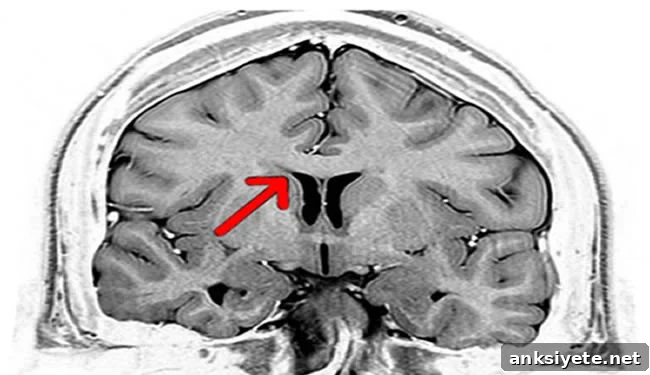
The connections that run through the corpus callosum — the large bundle of nerve fibers that links the brain’s left and right hemispheres — show measurable decline with age. When those connections weaken, unwanted communication or “cross-talk” between hemispheres increases. This increased cross-talk appears to help explain why older adults and animals often show slower … Read more

CBD and THC in Early Pregnancy: Fetal Development Risks

featured 60409

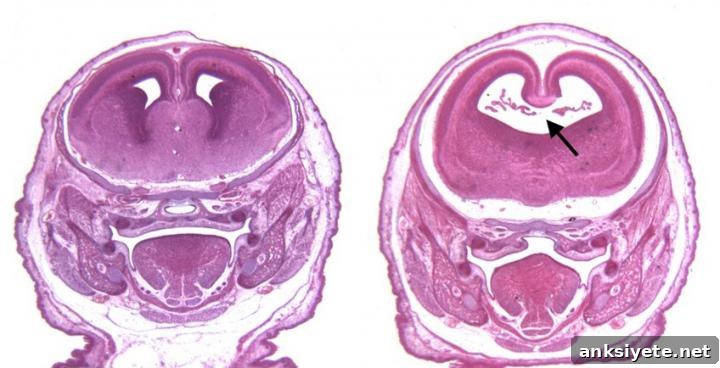
Summary: One-time exposure to cannabinoids such as CBD and THC during early pregnancy produces brain and facial development abnormalities in animal models that closely resemble defects seen in fetal alcohol syndrome. Source: University of North Carolina Health Care A recent study published in Scientific Reports (a Nature Research journal) reports that a single exposure to … Read more

Why Human Nature Is Both Selfish and Selfless

featured 72541

Summary: Research finds that people can consider both their own interests and the interests of others, but decisions tend to prioritize self-interest first. Source: The Conversation Looking out for yourself has been essential to human survival from the beginning. Still, self-interest is not the only force shaping human behavior. Groups whose members were inclined to … Read more

Reactivating Memory Before Exposure Cuts Lasting Fear of Spiders

featured 33755

Summary: Researchers report that exposure therapy for spider phobia can be made more durable by disrupting the reconsolidation of fear memories. Source: Uppsala University. Exposure therapy is a widely used treatment for anxiety and phobias. In a new study published in Current Biology, researchers at Uppsala University and Karolinska Institutet show that a brief activation … Read more

Brain Gray Matter Thickness Predicts Face and Object Recognition

featured 25279

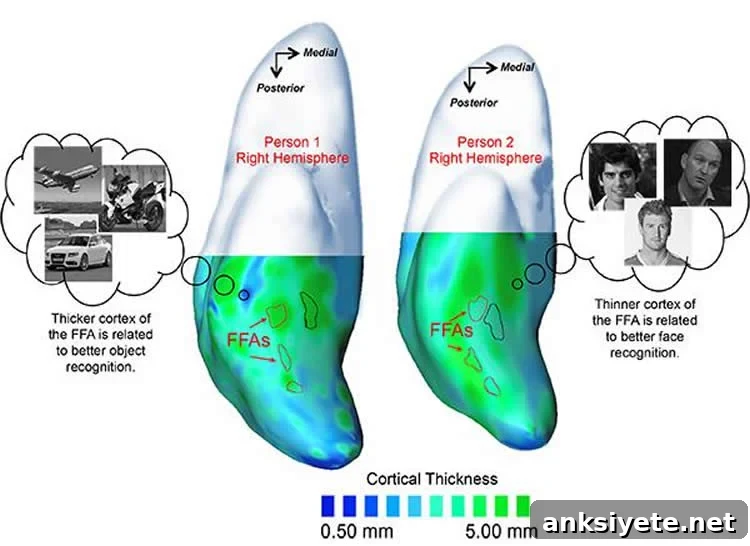
When you recognize a familiar face, when a bird-watcher spots a rare species, or when an enthusiast notices a classic car on the street, a small region of the brain lights up. Neuroscientists have long identified this region as the fusiform face area (FFA), a specialized patch of cortex that plays a central role in … Read more

Key Enzyme Mutation Triggers Ferroptosis and Childhood Dementia

featured 114240

Summary: Researchers have identified how a single mutation in the GPX4 enzyme causes neurons to undergo ferroptosis, resulting in severe early-onset dementia. The study supplies the first molecular evidence that ferroptosis can directly drive neurodegeneration in the human brain. The mutation disrupts a small, fin-like loop that anchors GPX4 to neuronal membranes, preventing the enzyme … Read more