
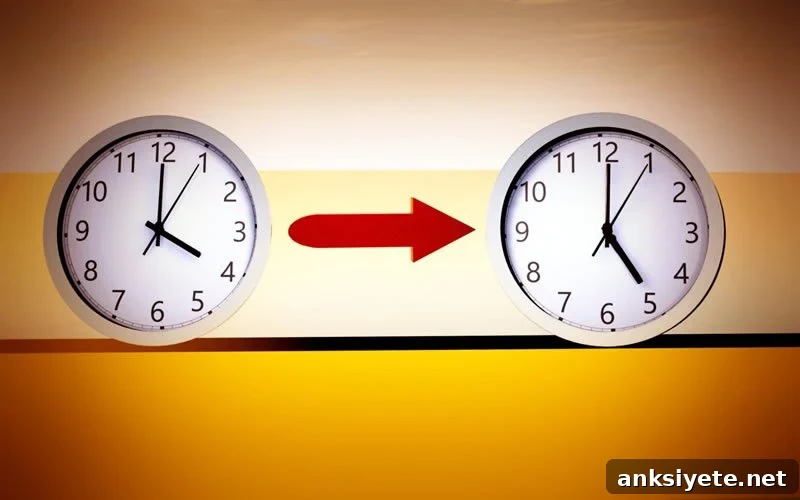
Summary: Leading chronobiologists warn that switching to daylight saving time can seriously affect brain function and overall health. The spring clock change was associated with a 24% rise in severe cardiovascular events in women. Researchers report that the abrupt shift disturbs circadian rhythms, reduces nocturnal melatonin production, impairs cognitive performance, disrupts sleep, and might even contribute to tumor progression.
Source: University of Granada
A multinational group of chronobiologists — including Darío Acuña Castroviejo, Professor of Physiology at the University of Granada — has issued a clear warning: moving the clock forward or back in spring and autumn poses a measurable risk to human health by disrupting the body’s circadian timing system.
The team’s findings, published as an expert consensus in the European Journal of Internal Medicine, summarize the scientific evidence on how seasonal clock changes affect physiological rhythms and human well-being. The statement was prepared to evaluate and highlight the health consequences that follow the abrupt one-hour shift in spring and autumn.
The health concerns raised by the authors prompted the European Parliament’s Committee on Transport and Tourism to hold a workshop titled “Discontinuing seasonal changes of time in the EU.” Professor Acuña participated as an invited expert and presented the data compiled in the consensus article to policy makers and other stakeholders.
Professor Acuña emphasizes the biological basis of the concern: “Our state of health depends on the coordinated timing of virtually every bodily function — from the sleep/wake cycle and the rhythm of brain neurotransmitters (which influence cognition), to hormonal cycles, metabolism, cell division, and the cellular repair mechanisms that operate both in the brain and in peripheral organs.”
An abrupt disruption of coordinated rhythms
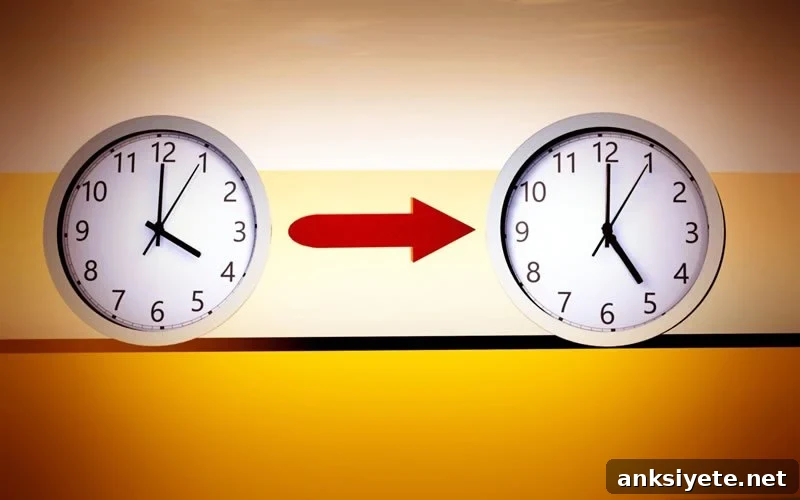
Setting clocks forward or back forces a sudden change in the perceived timing of sunrise and sunset, which disturbs the body’s light-driven timing mechanisms. “The circadian system is regulated by the light/dark cycle, and this in turn controls nocturnal melatonin production,” Acuña explains. “Melatonin is the primary endogenous synchronizer of these rhythms.”
When the clock shifts suddenly, the timing of nocturnal melatonin secretion shifts as well, producing a state known as internal desynchrony. During this desynchronized interval, the biological clock struggles to maintain coordinated timing across systems. According to the experts, it typically takes about three to five days for circadian rhythms to re-entrain and restore internal order after the change.
Those few days of misalignment are sufficient to produce a range of adverse effects. Patients and healthy individuals alike can experience cognitive difficulties (such as reduced attention and memory lapses), disturbed sleep, mood changes, and an increased risk of cardiovascular incidents. The authors also note experimental and epidemiological evidence suggesting that chronic circadian disruption may promote processes related to tumor growth, though more research is needed to fully characterize that relationship.
Notably, the consensus highlights a striking epidemiological finding: the spring clock change is associated with a 24% increase in severe cardiovascular events among women, including myocardial infarction. This gender-specific signal underscores the need to consider vulnerable groups when evaluating the public-health impact of seasonal time changes.
To minimize these harms, the international panel recommends permanently discontinuing seasonal clock changes. This policy proposal has been under consideration by the European Commission, which has discussed ending the practice and allowing member states to choose a fixed standard time year-round.
Source:
University of Granada
Media Contacts:
Darío Acuña Castroviejo – University of Granada
Image Source:
The image is in the public domain.
Original Research: Closed access
“Impact of Daylight Saving Time on circadian timing system: An expert statement”. Meira e Cruz M., Miyazawa M., Manfredini R., Cardinali D., Madrid J.A., Reiter R., Araujo J.F., Agostinho R., and Acuña-Castroviejo D.C.
European Journal of Internal Medicine. DOI: 10.1016/j.ejim.2019.01.001