Engineered Stem Cells Could Lead to ALS Treatment
featured 9841

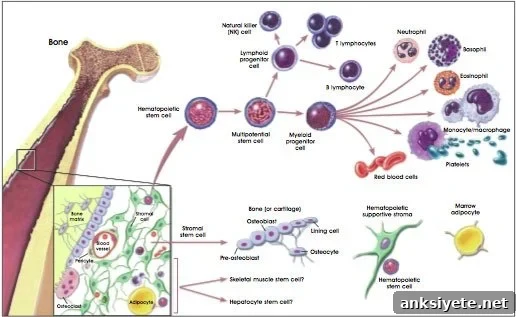
Transplanting human stem cells into muscles improved survival and preserved muscle function in rats modeling ALS, a progressive nerve disease that destroys motor control and often causes death from respiratory failure. ALS, or amyotrophic lateral sclerosis—often known as “Lou Gehrig’s disease”—affects thousands of people each year. According to the ALS Association, approximately 5,600 Americans receive … Read more
Why Persistence Matters in the Human Gut Microbiome

featured 74866

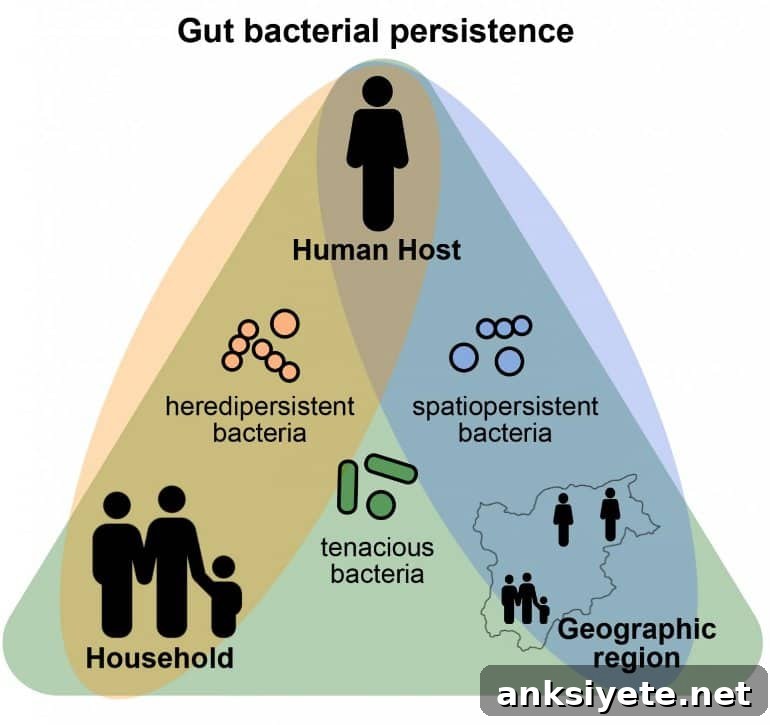
Summary: Most bacterial strains in the human gut microbiome remain persistent within families and geographic regions; individual strains have over a 90% chance of persisting for at least one year. Source: Earlham Institute The human gut microbiome is a dynamic ecosystem of trillions of microbes that supports digestion, immune function and even mental health. Understanding … Read more

MS Drug Shows Promise for Improving Memory

featured 14807

Researchers at Virginia Commonwealth University School of Medicine have identified a previously unrecognized action of fingolimod (FTY720), a drug widely used to treat multiple sclerosis: it can promote the elimination of adverse or traumatic memories in a mouse model. These findings clarify a molecular mechanism that helps explain some of the drug’s effects beyond its … Read more

How Preconceived Beliefs Shape Perception of Others’ Emotions

featured 50513

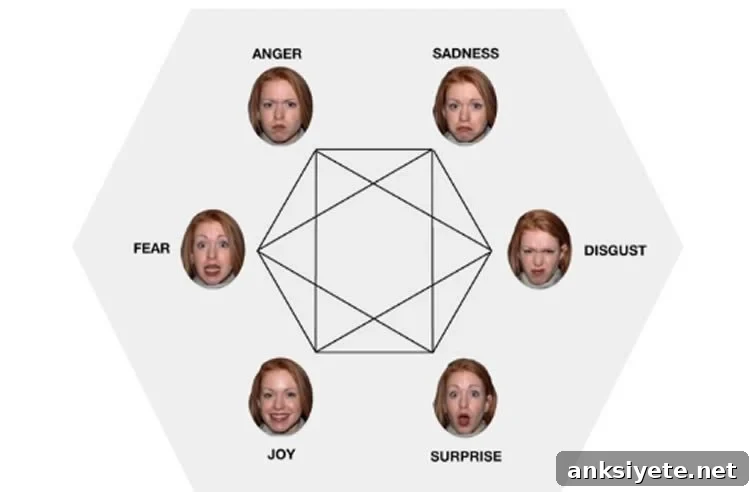
How Our Preconceived Ideas Shape the Way We See Emotions on Faces Summary: A new NYU study reveals that how we interpret facial expressions depends on our preconceived concepts of emotions. Source: NYU A study from New York University finds that our perception of other people’s facial expressions is shaped not only by the visual … Read more

74 Genetic Variants Linked to Anxiety Revealed

featured 117530

Summary: A major genome-wide association study (GWAS) on anxiety has revealed the complex polygenic architecture underlying worry and fear-related responses by analysing genomic data from 693,869 individuals. This large meta-analysis shifts psychiatric genetics toward measuring continuous symptom severity rather than relying solely on binary clinical diagnoses, offering new biological insights and potential targets for early … Read more

How a Genetic Mutation Alters Social Behavior in Autism

featured 66936

Summary: Researchers have identified a link between the Nlgn3 (neuroligin-3) gene and oxytocin signaling in mouse models of autism spectrum disorder (ASD). A mutation in Nlgn3 disrupts oxytocin responses in neurons of the brain’s reward circuitry, which leads to reduced social interactions in mice. Source: University of Basel A research group at the Biozentrum, University … Read more

Maternal Empathy Linked to Epigenetic Changes in the Oxytocin Gene

featured 69696

Summary: Methylation of the oxytocin gene (OXT) was linked to greater maternal personal distress and to reduced gray matter volume in the right inferior temporal gyrus, findings that connect epigenetic variation with caregiving behavior and brain structure. Source: University of Fukui Empathy — the ability to sense and understand another person’s feelings — is essential … Read more

Multiple Pregnancies Linked to Lower Stroke Risk in Women

featured 116381

Summary: A long-term community study suggests that women who have three or more live births face a lower risk of stroke and of hidden vascular brain damage. These results point to an overlooked reproductive factor that could improve stroke risk assessment for women. Researchers analyzed data from the Framingham Heart Study and found that having … Read more

How Genetic Factors Link Parkinson’s to Cognitive Decline

featured 36946

Summary: Mutations in the GBA gene, a recognized risk factor for Parkinson’s disease, also strongly influence the risk and pace of cognitive decline, a new multi‑center study reports. Source: Brigham and Women’s Hospital. GBA gene mutations linked to faster memory loss in Parkinson’s patients, opening the way for targeted clinical trials Parkinson’s disease (PD) is … Read more

Parkinson’s: Training Neurons to Respond to Placebos

featured 27894

Scientists have demonstrated that neurons can be trained to respond to a placebo—that is, an inert treatment—just as they would to an active medication, according to a study published in the Journal of Physiology. Researchers working with patients who have Parkinson’s disease (PD) showed that a neuron that initially did not respond to placebo (a … Read more