
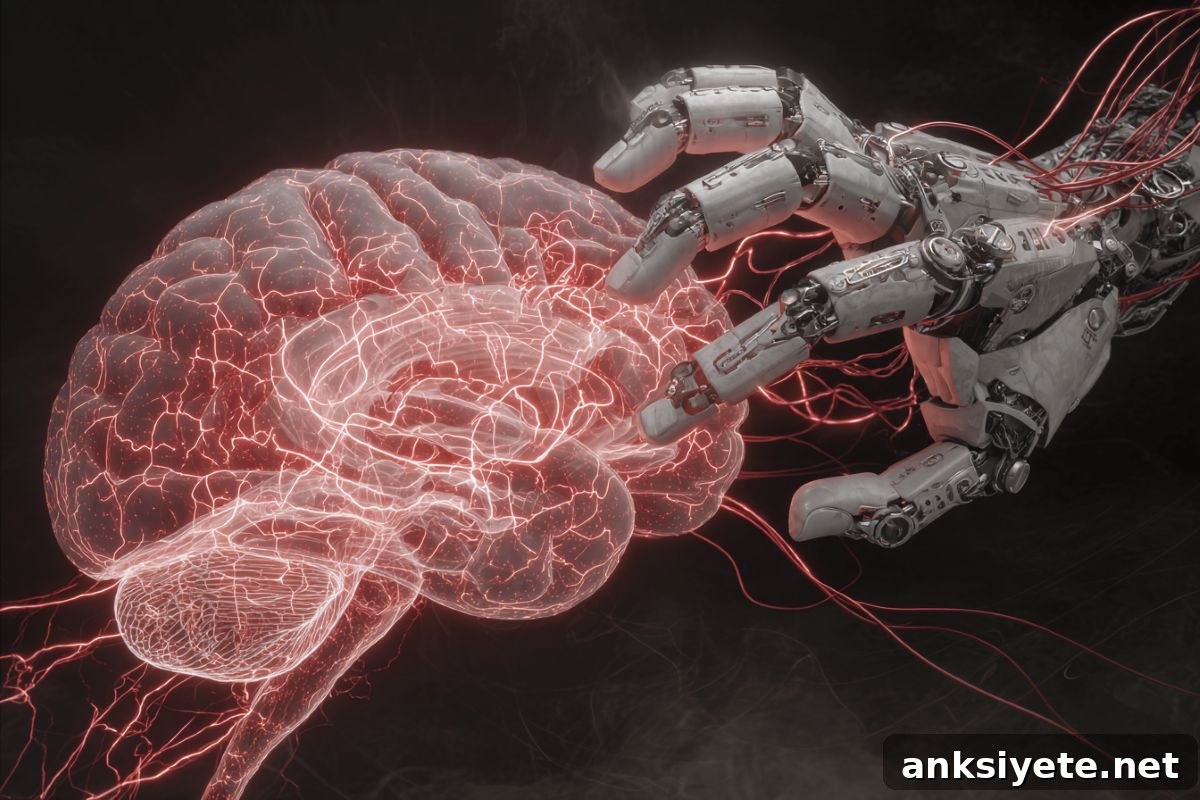
Summary: A landmark study overturns a long-held view of brain plasticity by showing that the brain preserves a detailed map of a lost limb for years after amputation. Functional MRI scans taken before and repeatedly after surgery reveal minimal change in cortical activity, even when participants attempted to move individual phantom fingers.
Machine learning classifiers trained on pre-amputation activity reliably identified attempted movements of phantom fingers after limb loss, indicating that the neural control signals for the missing hand remain largely intact. These results refine our understanding of phantom limb sensations and pain, and they have important implications for the design of neuroprosthetics and treatments for phantom pain.
Key facts
- Enduring cortical map: The brain’s representation of a missing limb can persist for years following amputation.
- Phantom sensations explained: The persistent map helps account for vivid phantom limb perceptions and pain experienced by many amputees.
- Therapeutic and technological potential: Findings could guide improvements in phantom pain therapies and inform brain-computer interface (BCI) prosthetic strategies that leverage existing hand maps.
Source: NIH
Overview
In a first-of-its-kind longitudinal human study, researchers from the National Institutes of Health (NIH) and collaborators used high-resolution functional MRI to compare how the brain responds to hand movements before an arm amputation and to attempts to move the phantom hand after amputation. Their analysis found that amputation did not trigger large-scale reorganization of primary sensorimotor cortex as traditionally predicted by textbook examples of cortical plasticity.
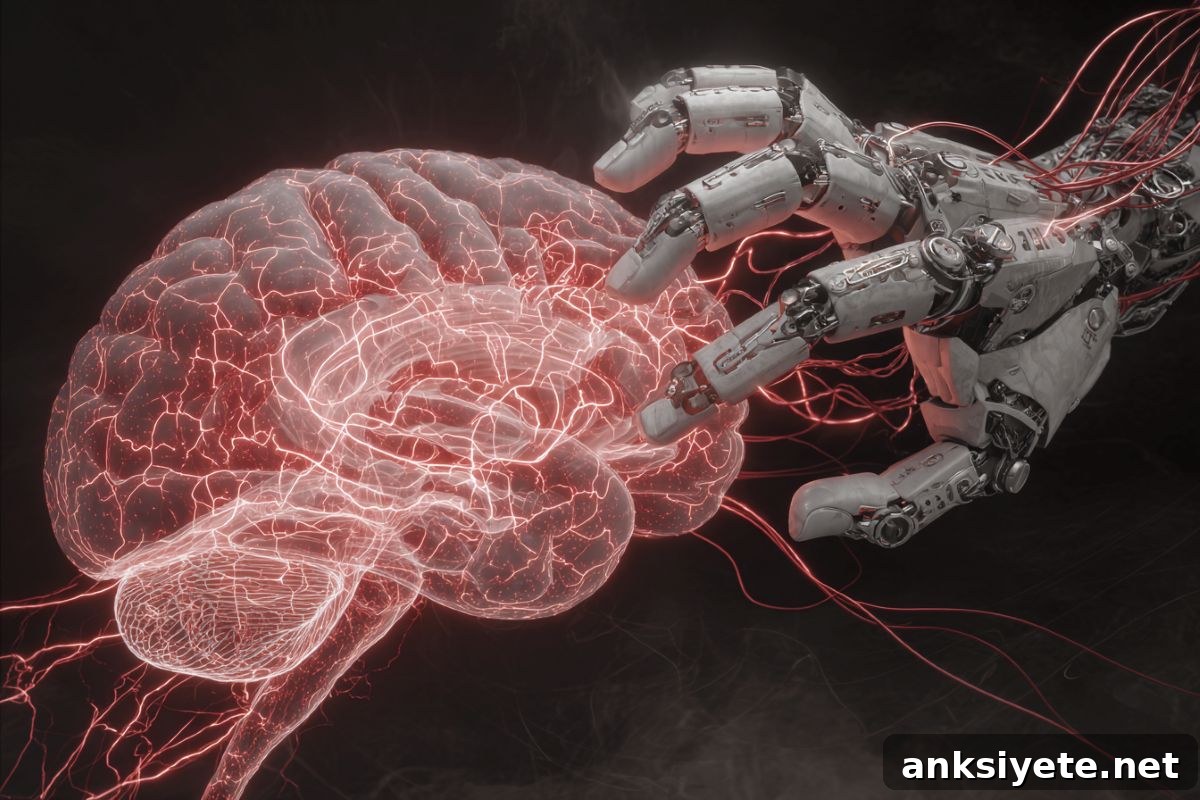
Published in Nature Neuroscience, the study offers fresh insight into phantom limb syndrome and provides evidence that could shape future neuroprosthetic design and pain management approaches for people with limb loss.
The research team seized a rare opportunity to run functional MRI scans on three patients in the months prior to medically indicated arm amputations and then repeatedly over the following five years. Before surgery, participants underwent two scanning sessions in which individual fingers were tapped to map fine-grained hand representations in cortex. After surgery, each participant returned for follow-up scans while attempting the same finger tasks using their phantom hand.
Across multiple analytic approaches the authors report a consistent outcome: the cortical map of the hand remained stable. Visual inspection and statistical comparisons showed little to no change between pre- and post-amputation brain maps. In fact, the researchers noted that, if blinded to the dates of the scans, they would likely not have been able to distinguish pre-amputation maps from post-amputation maps.
To strengthen their findings, the team applied a machine learning model trained on pre-amputation data to classify finger movements. The algorithm accurately identified which phantom finger was being moved after amputation, demonstrating that the fine-grained neural signatures for individual digits persisted despite limb loss. The authors also found no evidence that neighboring cortical territories for lips or feet expanded into the hand’s former area.
Comparisons with scans from able-bodied control participants and with data from other published studies corroborated their conclusion: amputation does not necessarily produce sweeping cortical remapping in primary sensorimotor regions. Instead, the brain can retain a durable representation of a lost limb.
Why this matters: persistent cortical maps offer a plausible neural basis for phantom limb sensations and chronic phantom pain. They also present an advantage for neural prosthetics and brain-computer interfaces: clinicians and engineers can reasonably assume that detailed aspects of a patient’s hand map remain available to be tapped for control signals or sensory feedback.
Lead authors emphasize that these results invite a re-evaluation of therapies that presuppose dramatic cortical reorganization after amputation. They also suggest a promising path forward for BCI research: by targeting the preserved hand map, future systems may be able to restore not only motor commands but also rich sensory qualities such as texture, shape and temperature.
About this neuroplasticity research news
Author: NIH Office of Communications
Source: NIH
Contact: NIH Office of Communications – NIH
Image: The image is credited to Neuroscience News
Original research: Open access. “Stable cortical body maps before and after arm amputation” by Chris Baker et al., Nature Neuroscience. The study reports longitudinal neuroimaging in three adults followed before and up to five years after arm amputation, comparing activity for hand movements (before amputation), phantom hand attempts (after amputation), and lip movements (before and after amputation), and concludes that amputation does not trigger large-scale cortical reorganization.
Abstract
Stable cortical body maps before and after arm amputation
The extent of cortical reorganization in adults remains debated. Using longitudinal neuroimaging in three adults, followed before and up to five years after arm amputation, the study compared cortical activity elicited by hand movement (pre-amputation) versus phantom hand movement (post-amputation) and by lip movement (before and after amputation). The authors observed stable representations of both hand and lips in primary sensorimotor regions and, by directly quantifying activity changes across amputation, demonstrate that limb loss does not necessarily trigger large-scale cortical reorganization.