How Beliefs Affect the Brain and Medication Dosing

featured 99216

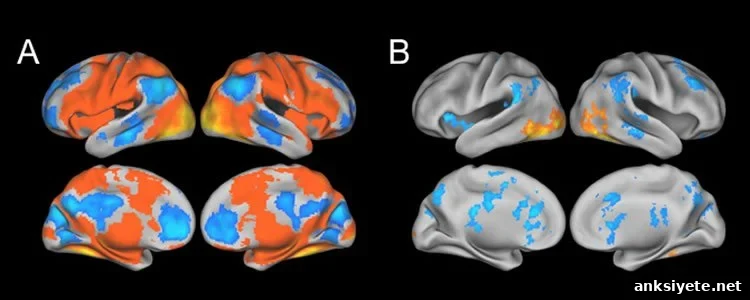
Summary: Researchers have found that what people believe about a drug can alter their brain activity and behavior in ways that mirror the dose-dependent effects of the drug itself. A Mount Sinai study that focused on beliefs about nicotine demonstrates that human expectations operate with surprising precision and can produce dose-like effects in the brain. … Read more
New Model Explains How Alzheimer’s Causes Dementia

featured 32742

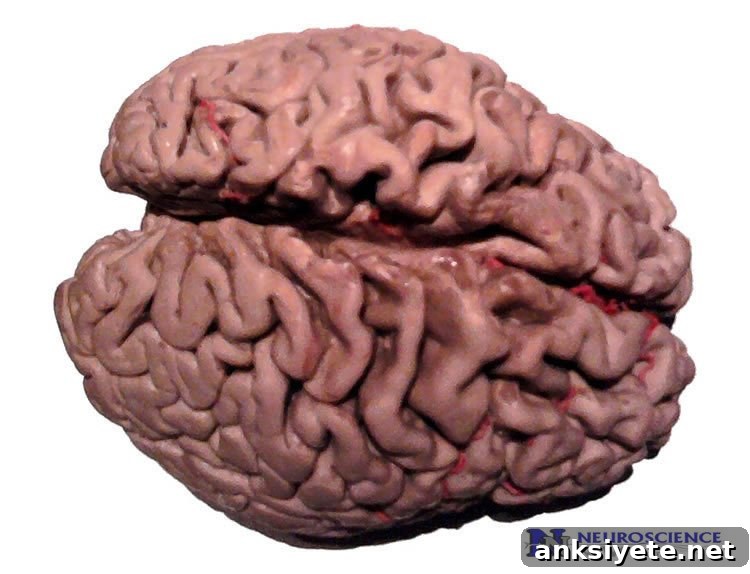
Summary: A new genetically engineered mouse model of Alzheimer’s disease gives researchers clearer insight into how the condition produces dementia. Source: Johns Hopkins University. Experiments reveal how extracellular “plaques” and intracellular “tangles” interact and drive disease. Researchers at Johns Hopkins University used an innovative mouse model that more closely mirrors human Alzheimer’s disease to clarify … Read more

Why Multiple Sclerosis Often Begins Years Before Diagnosis

featured 75073

Summary: Increased visits to hospitals and physicians during the years before a multiple sclerosis (MS) diagnosis—often triggered by early MS symptoms—are frequently signs of active, ongoing disease rather than a separate prodromal phase. These encounters more often reflect unrecognized relapses and neurological events that precede formal diagnosis. Source: TUM Multiple sclerosis is an autoimmune disorder … Read more

Study Finds Neural Compensation Linked to Alzheimer’s Protein

featured 16142

New research from UC Berkeley shows the human brain can develop a neural workaround that offsets the presence of beta-amyloid, a protein linked to Alzheimer’s disease. Published Sept. 14 in the journal Nature Neuroscience, the study offers insight into why some older adults maintain normal cognition despite having beta-amyloid deposits in their brains, while others … Read more

Genetics Linked to Living into Your 90s but Not 100

featured 42192

Summary: A new study reevaluates the role of the FOXO3 gene in human longevity. Researchers report that certain FOXO3 variants moderately influence survival into the 90s, but these common variants do not appear to drive truly exceptional longevity—surviving to ages 96+ in men or 100+ in women. Source: Oregon State University Gene variants in FOXO3 … Read more

How Cannabis Prevents PTSD Behavioral and Physical Symptoms

featured 16039

Administering synthetic cannabinoids shortly after a traumatic event can prevent the development of PTSD-like symptoms in rats, including those triggered by reminders of the trauma. This conclusion comes from a study by Nachshon Korem and Irit Akirav of the Department of Psychology at the University of Haifa, published in the journal Neuropsychopharmacology. The researchers emphasize … Read more

Novelty Boosts Learning by Activating Dopamine

featured 62126

Summary: New stimuli directly engage the brain’s dopamine system and enhance associative learning. These results clarify how novelty improves learning and have practical implications for educational strategies and the design of machine learning approaches. Source: VIB Researchers led by Sebastian Haesler (NERF, in collaboration with IMEC, KU Leuven and VIB) have uncovered a causal mechanism … Read more

Sexual Violence Haunts Women With Vivid Memories a Decade Later

featured 51168

Summary: A Rutgers-New Brunswick study finds that women who have experienced sexual violence often retain vivid, detailed memories of the event for decades. These memories are more intense than those reported by women who endured other traumatic, non-sexual events, and they are closely linked to rumination, anxiety, and depressive symptoms, even in the absence of … Read more

Study Finds No Link Between Gut Microbiome and Autism

featured 113899

Summary: A comprehensive review of decades of research finds no scientific evidence that the gut microbiome causes autism. The authors identify major conceptual and methodological weaknesses across observational studies, animal experiments, and clinical trials—such as tiny sample sizes, inconsistent results, and inappropriate statistical approaches—that undermine claims of a causal connection. Many reported differences in gut … Read more

How Lying Down Changes the Way Your Brain Perceives Space

featured 76297

Summary: When we lie down, the brain shifts away from relying on external sensory cues and leans more on internal, body-centered perceptions such as touch. Source: The Conversation You’re annoyed by the sound of a mosquito buzzing near your ear. The buzzing stops. You feel a tiny prick, you sense where it landed, and your … Read more