
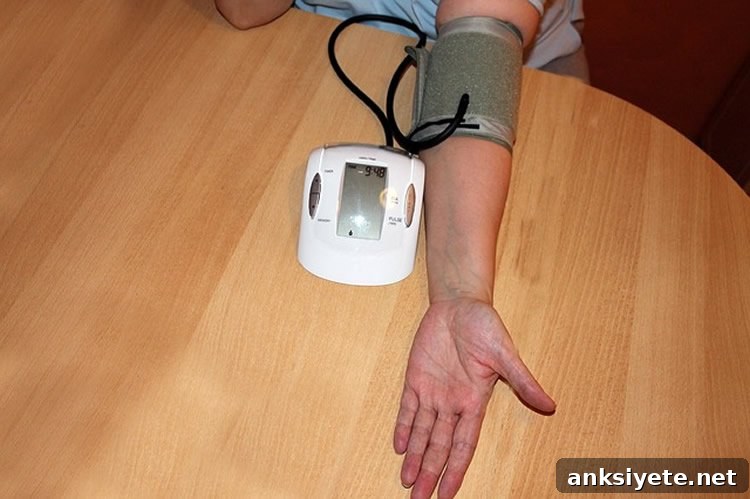
High blood pressure in your 50s may reduce your ability to plan and stay focused in your 80s
New research links elevated blood pressure in midlife to specific declines in cognitive abilities decades later. The study, published in the Journal of Alzheimer’s Disease, examined whether blood pressure measured between ages 50 and 60 is associated with cognitive performance roughly 30 years afterward, when participants were 80 or older.
As populations age, the number of people aged 80 and above is growing faster than any other age group. Past research has already associated midlife cardiovascular risk factors—particularly hypertension—with increased dementia risk later in life. However, few studies have looked at how midlife cardiovascular risk affects cognitive function among very old adults who are not diagnosed with dementia. This study helps fill that gap by focusing on the “oldest old” who remain free of stroke and dementia.
Researchers used long-term data from the Framingham Heart Study and evaluated 378 participants who had their blood pressure recorded when they were about 50–60 years old. Approximately three decades later, these same individuals underwent a comprehensive neuropsychological assessment at age 80 or older, testing memory, attention, visual-spatial skills, executive function, verbal fluency, and other cognitive domains.
Overall, the study found that higher systolic blood pressure in midlife—more than a formal hypertension diagnosis—was linked to poorer performance on tests of attention and verbal fluency in late life. Specifically, elevated midlife systolic blood pressure was associated with worse scores on Digit Span Forward (a measure of attention and immediate memory) and on the Controlled Word Association Test (a measure of verbal fluency and executive control). The association with verbal fluency was particularly apparent among individuals who carry the ApoE4 genetic variant.
Lead authors note that while a diagnosis of hypertension in midlife was not consistently tied to broad cognitive decline across all tests, elevated systolic blood pressure showed targeted associations with attention and verbal fluency decades later. These results suggest that raising blood pressure in middle age can have long-term effects on cognitive domains critical for everyday function, even in people who remain free of dementia.
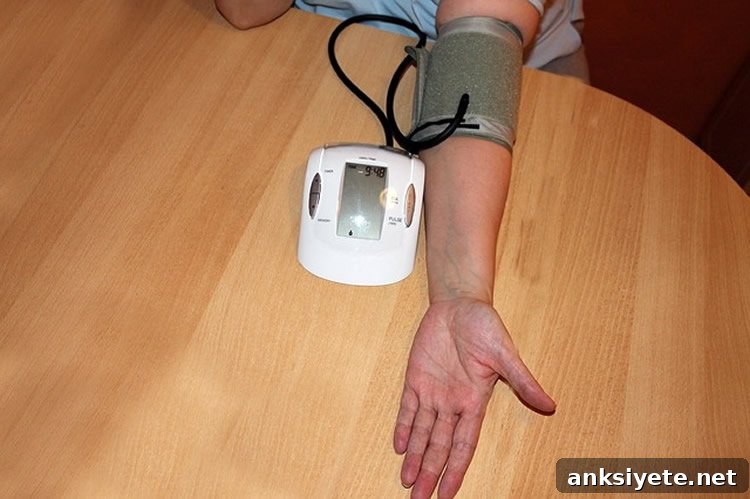
“Midlife health matters,” said Rhoda Au, PhD, professor of neurology at Boston University School of Medicine and corresponding author on the paper. “Taking steps to manage blood pressure in your younger years may help preserve cognitive health as you age.” The authors emphasize that interventions—lifestyle changes and medical treatment where appropriate—can play an important role in maintaining brain health across the lifespan.
The analysis used data from the Framingham Heart Study Original cohort, focusing on participants who were free of stroke and dementia at the time of cognitive testing. Blood pressure measurements were taken between ages 50 and 60 and cognitive testing occurred at age 80 or older. Tests included Logical Memory, Visual Reproduction, Paired Associates, Hooper Visual Organization, Trail Making A & B, Digit Span Forward and Backward, Controlled Word Association Test, and Similarities. Statistical models adjusted for age, interval between risk factor measurement and testing, sex, and estimated premorbid intelligence to isolate the influence of midlife blood pressure on later-life cognition.
Funding: The Framingham Heart Study’s data collection was supported by the National Heart, Lung, and Blood Institute contract N01-HC-25195 and grants from the National Institute of Neurological Disorders and Stroke (R01 NS17950) and the National Institute on Aging (R01AG16495; AG08122; AG029451).
Source: Gina DiGravio, Boston University Medical Center
Original research: Abstract for “Midlife Hypertension Risk and Cognition in the Non-Demented Oldest Old: Framingham Heart Study” by Nishtala, Arvind; Himali, Jayandra J.; Beiser, Alexa; Murabito, Joanne M.; Seshadri, Sudha; Wolf, Philip A.; and Au, Rhoda, published in the Journal of Alzheimer’s Disease. Published online July 16, 2015. DOI: 10.3233/JAD-141881
Summary of key findings
- Elevated systolic blood pressure at ages 50–60 predicts poorer attention and verbal fluency about 30 years later, even in individuals who do not develop dementia.
- A midlife hypertension diagnosis alone was not uniformly associated with worse performance across all cognitive tests.
- The negative effect of higher midlife systolic blood pressure on verbal fluency was stronger among those with the ApoE4 genetic variant.
- Maintaining healthy blood pressure in midlife—through lifestyle changes and, when needed, medication—may help protect specific aspects of cognitive function into old age.