
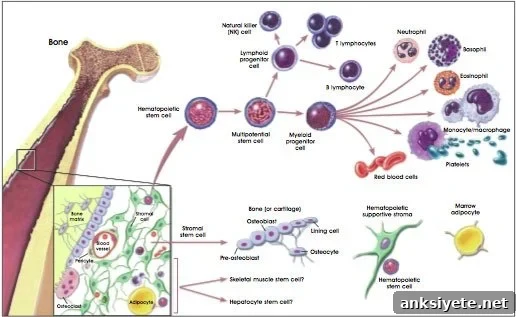
Transplanting human stem cells into muscles improved survival and preserved muscle function in rats modeling ALS, a progressive nerve disease that destroys motor control and often causes death from respiratory failure.
ALS, or amyotrophic lateral sclerosis—often known as “Lou Gehrig’s disease”—affects thousands of people each year. According to the ALS Association, approximately 5,600 Americans receive an ALS diagnosis annually, and only about half of patients remain alive three years after diagnosis. Effective treatments are limited, so new strategies that slow progression or protect nerve cells are urgently needed.
Researchers at the University of Wisconsin–Madison School of Veterinary Medicine explored one such strategy. Masatoshi Suzuki, an assistant professor of comparative biosciences, and his team used adult human bone marrow–derived mesenchymal stem cells and genetically modified them to produce growth factors known to support and protect nerve cells. Instead of attempting to replace motor neurons, the investigators used the engineered stem cells as a local source of therapeutic proteins placed directly into muscle tissue.
Suzuki’s team focused on the neuromuscular junction—the specialized connection where a motor neuron activates a muscle. Motor neurons that control leg muscles can span up to three feet in humans, and the long axons make these cells vulnerable. While many investigators concentrate on changes in the spinal cord, Suzuki emphasizes the importance of events at the distant nerve ending. The neuromuscular junction often shows early deterioration in ALS, and the researchers hypothesized that protecting this site could preserve the neuron itself.
Previous work from Suzuki demonstrated that delivering glial cell line–derived neurotrophic factor (GDNF) at the neuromuscular junction supported motor neuron survival. In the study published in Molecular Therapy on May 28, the team extended those findings and evaluated vascular endothelial growth factor (VEGF) as a second protective compound. Both GDNF and VEGF are naturally occurring growth factors that influence neuronal health and the local muscle environment.
The new experiments showed that stem cells engineered to secrete VEGF alone delayed disease onset, slowed the decline in muscle function, and extended survival in the ALS model rats—effects that mirrored the group’s earlier GDNF results. More importantly, stem cells producing both GDNF and VEGF together produced a greater benefit than either factor by itself. Delivering the combination prolonged the disease-free period, improved overall survival, and better preserved motor performance.
These outcomes suggest a synergistic effect: the two growth factors appear to complement one another when provided simultaneously at the neuromuscular junction. In this model, the transplanted stem cells did not convert into neurons; rather, their therapeutic action came from sustained secretion of the protective growth factors at the site where the nerve meets the muscle.
Suzuki highlights the practical advantages of this approach. Replacing damaged motor neurons directly remains technically difficult because of their extreme length and complex connections. By contrast, maintaining the health of existing neurons with growth factors is a more immediately achievable goal. Using adult mesenchymal stem cells further minimizes safety concerns: unlike embryonic stem cells and other highly plastic lines, mesenchymal cells carry a lower risk of forming tumors and have already been used in human clinical trials for multiple disorders.
The animal tests relied on a widely accepted familial ALS rat model that carries a mutation found in a small fraction of human ALS cases. Suzuki notes that while this genetic model does not represent all forms of ALS, it provides a reliable platform for testing therapeutic strategies that target fundamental mechanisms of motor neuron degeneration.
Injected stem cells survived in the muscle for at least nine weeks in these experiments, continuously supplying one or both growth factors during that period. The research was supported by the ALS Association, the National Institutes of Health, the University of Wisconsin Foundation, and other organizations. Suzuki and his colleagues hope to move toward clinical-grade stem cells and, given the lack of effective treatments for ALS, aim to advance this approach into human trials when feasible.
Notes about this stem cell and ALS research
Written by David Tenenbaum
Contact: David Tenenbaum – University of Wisconsin–Madison
Source: University of Wisconsin–Madison press release
Image Source: The mesenchymal stem cell diagram is credited to the NIH and is in the public domain.
Original Research: Abstract for “Synergistic Effects of GDNF and VEGF on Lifespan and Disease Progression in a Familial ALS Rat Model” by Dan Krakora, Patrick Mulcrone, Michael Meyer, Christina Lewis, Ksenija Bernau, Genevieve Gowing, Chad Zimprich, Patrick Aebischer, Clive N. Svendsen and Masatoshi Suzuki in Molecular Therapy. Published online May 28, 2013, doi:10.1038/mt.2013.108