
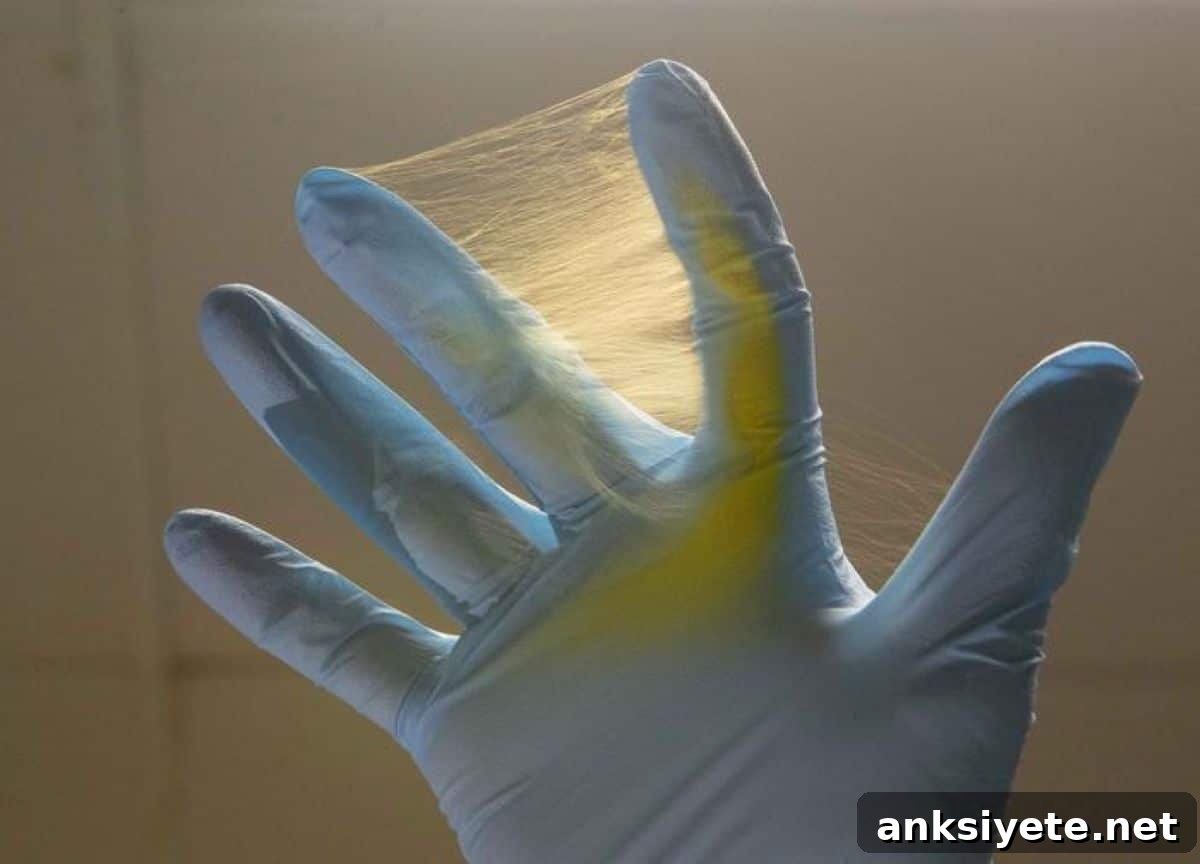
Summary: Researchers from the University of Cincinnati and Johns Hopkins Medicine report an implantable, multilayered nanofiber treatment for glioblastoma that embeds three FDA‑approved drugs in a single scaffold. The NanoMesh platform delivers an immediate high dose followed by sustained release directly at the surgical site, bypasses the blood‑brain barrier, and produces synergistic drug interactions that markedly extended survival in animal models.
By applying electrospun, drug‑loaded fibers to the tumor bed after resection, this localized delivery approach concentrates therapy where it is needed while limiting systemic exposure. The combination of temozolomide, acriflavine, and PT2385 inside a controlled multilayer mesh prevented tumor escape mechanisms in preclinical tests and produced significant survival benefits.
Key Facts
- Multi‑pronged strategy: Adult glioblastoma is highly heterogeneous and quickly adapts to single‑agent therapies. The NanoMesh approach attacks the tumor simultaneously along multiple molecular pathways to reduce the chance of resistance.
- Pharmaceutical synergism: The research team found that the three drugs—temozolomide, acriflavine, and PT2385—interact synergistically. Combined in the NanoMesh, they kill tumor cells more effectively than any of the drugs used individually.
- Local delivery across the blood‑brain barrier: Systemic chemotherapy is limited by the blood‑brain barrier. Delivering drugs directly to the resection cavity both concentrates therapy at the tumor site and uses the barrier to keep toxic agents confined, reducing systemic side effects.
- Electrospun nanofiber engineering: Developed in Professor Andrew Steckl’s NanoLab at the University of Cincinnati, the electrospinning method produces a customizable, multilayer fiber mesh. This gives surgeons precise control over implant shape, individual drug loading, and staged release profiles.
- Improved survival in animal models: In preclinical trials, untreated glioblastoma models died within 15–19 days. Mice treated with the tri‑drug NanoMesh lived about twice as long on average, and 40% of treated animals survived beyond the 120‑day study endpoint, maintaining a durable survival plateau.
- Potential for clinical translation: The team—led by investigators at the University of Cincinnati and Johns Hopkins Medicine—is optimizing long‑term release characteristics and preparing the platform for further translational work to treat glioblastoma and other hard‑to‑treat cancers.
Source: University of Cincinnati
Overview: Engineers and neurosurgeons created a nanofiber patch that co‑delivers multiple drugs to the tumor cavity. Lead author Daewoo Han and UC Distinguished Research Professor Andrew Steckl incorporated temozolomide, acriflavine, and PT2385 into electrospun coaxial fibers to form a layered NanoMesh that releases both an initial bolus and sustained doses over time.
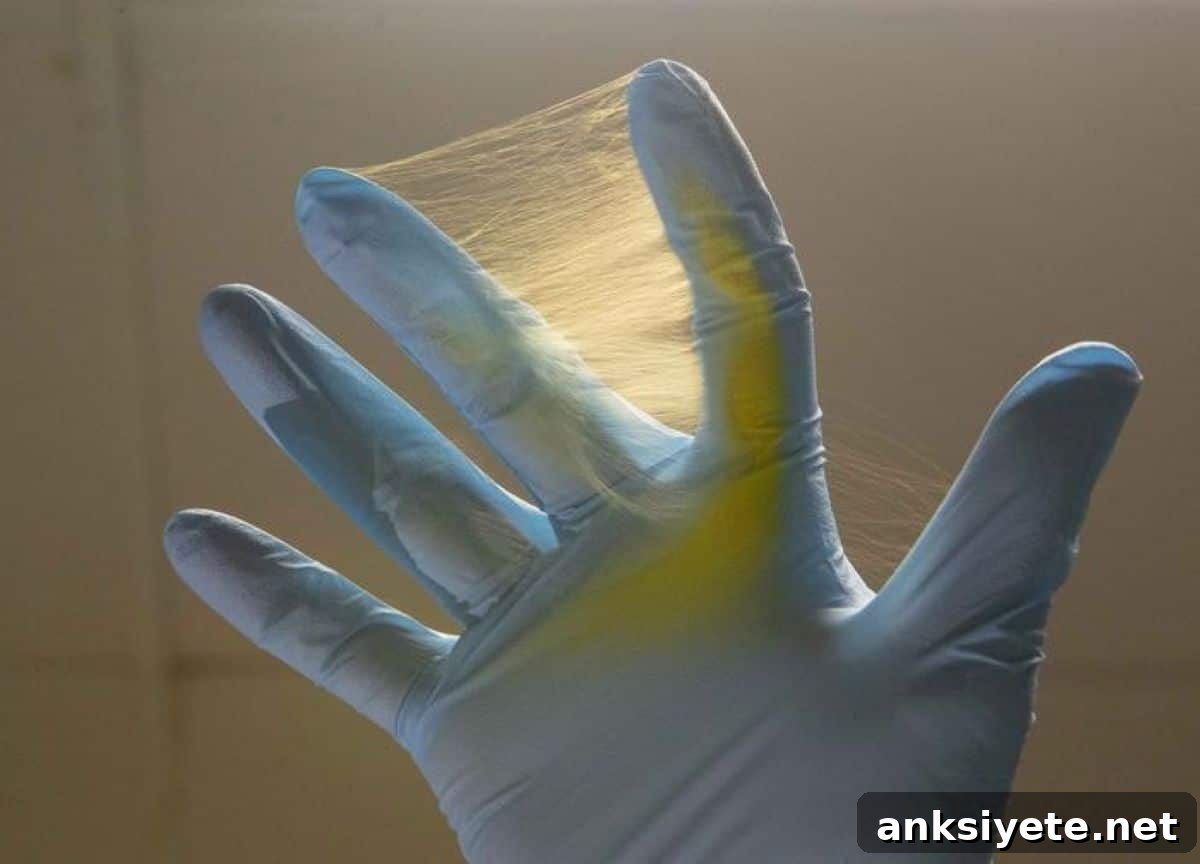
The NanoMesh is fabricated by electrospinning, a process that uses an electric field to draw ultrafine polymer fibers and deposit them in layers. Each layer can be loaded with a different approved drug and engineered to release its payload on a programmed timescale. This design produces immediate cytotoxic pressure on residual tumor cells while maintaining prolonged exposure to prevent regrowth.
Steckl described the combination as a powerful one: when the three drugs act together, their combined effect exceeds the sum of their individual activities—a classic example of synergism. That increased potency helps block multiple tumor survival pathways at once, making it harder for glioblastoma cells to adapt.
Glioblastoma is notorious for recurrence and for evading treatment through rapid mutation and cellular diversity. Localized, layered delivery is intended to limit those escape routes by sustaining multi‑mechanistic pressure at the site of disease while simultaneously minimizing systemic toxicity.
UC investigators collaborated with Johns Hopkins clinicians, including neurosurgeon Betty Tyler and postdoctoral researcher Hasan Slika, to validate efficacy in animal models and refine delivery parameters. Tyler noted the clinical imperative to use combination strategies because cancers frequently pivot away from single interventions.
The preclinical results were notable: untreated mice uniformly succumbed within three weeks, whereas most mice receiving the three‑layer NanoMesh lived significantly longer, and a substantial minority reached long‑term survival beyond the 120‑day trial window.
Han emphasized that the electrospun platform allows precise control over implant geometry, dosing, and release kinetics—key attributes for tailoring therapy to a patient’s surgical cavity. The research team is focusing next on optimizing sustained release and scaling the design toward clinical testing.
Key Questions Answered:
A: Glioblastoma contains a mix of diverse cell types that can rapidly mutate and develop resistance to single drugs. Combined with the protective blood‑brain barrier that limits many systemic chemotherapies, these factors make durable control challenging. A localized, multi‑agent approach aims to overcome both problems by concentrating varied therapies directly where residual tumor cells remain.
A: Using electrospinning, researchers create a multilayer nanofiber scaffold that sequesters each drug in a dedicated layer. The material is implanted at the surgical site and programmed to release an initial high dose followed by a slow, controlled release. Because delivery is local and the blood‑brain barrier limits systemic diffusion, the approach concentrates therapy on the tumor while reducing whole‑body exposure.
A: Synergism occurs when combined drugs produce an effect greater than the sum of their individual effects. In this study, the combination of temozolomide, acriflavine, and PT2385 inside the NanoMesh inhibited multiple tumor pathways simultaneously. That synergy contributed to substantially longer median survival and a 40% long‑term survival rate in treated animals.
Editorial Notes:
- This article was edited by a Neuroscience News editor.
- The underlying journal paper was reviewed in full.
- Additional context was added by editorial staff.
About this neurotech and brain cancer research news
Author: Michael Miller
Source: University of Cincinnati
Contact: Michael Miller – University of Cincinnati
Image credit: Joseph Fuqua II
Original Research: Open access. “Codelivery Material System of Polymer Microfiber Structures for Synergistic Localized Therapy of Glioblastoma” by Daewoo Han, Hasan Slika, Aanya Shahani, Eliana S. Wolf, Charles G. Eberhart, Henry Brem, Betty Tyler, and Andrew J. Steckl. ACS Biomaterials Science & Engineering. DOI: 10.1021/acsbiomaterials.5c01482.
Abstract
Codelivery Material System of Polymer Microfiber Structures for Synergistic Localized Therapy of Glioblastoma
Glioblastoma is an aggressive brain tumor that has seen limited therapeutic progress. This study reports on a synergistic combination of the FDA‑approved agent temozolomide and the hypoxia‑inducible factor inhibitors acriflavine and PT2385, embedded in coaxial electrospun fiber membranes (NanoMesh). In vitro testing across several glioma cell lines identified synergistic combinations. Preliminary animal studies with the three‑drug NanoMesh demonstrated a marked improvement in median survival (>50 days) and a 40% long‑term survival rate (>120 days), indicating the potential of this platform as a translatable localized therapy for glioblastoma.