How Computational Tools Are Transforming Sleep Apnea Treatment
featured 28048

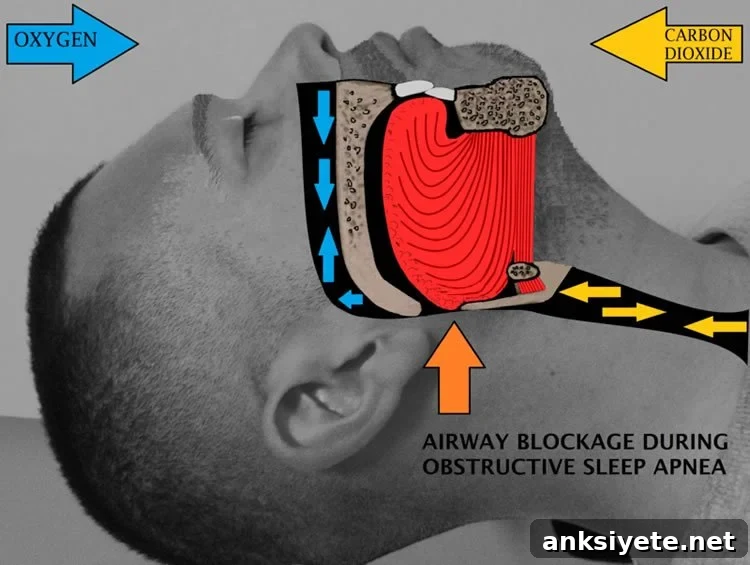
UCLA Scientists Develop a 3-D Model of the Human Airway Imagine doctors consulting a virtual model that predicts how effective a surgical procedure will be before a scalpel ever touches a patient. That vision is moving closer to reality thanks to a computational airway model developed at the University of California, Los Angeles. The work … Read more

Surprising Cognitive Benefits Found in a Common Laxative

featured 94634

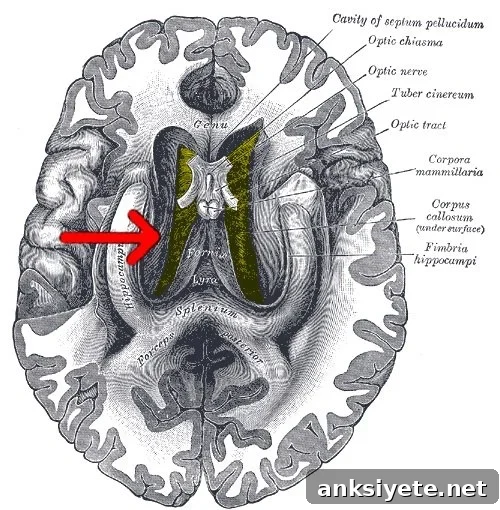
Summary: A recent study examined how prucalopride, a medication known for its action on serotonin 5-HT4 receptors and commonly used as a laxative, alters resting brain activity in healthy adults and how these changes may relate to cognition and memory. Researchers found that people who took low-dose prucalopride showed increased resting-state functional connectivity (rsFC) between … Read more

Low Birth Weight Linked to Smaller Brains and School Struggles

featured 10017

Analysis of MRI Scans Links Smaller Brain Volumes in Low-Birth-Weight Children to Later Academic Difficulties New analysis of magnetic resonance imaging (MRI) scans from 97 adolescents who were part of a longitudinal study of very low birth weight infants has identified a relationship between reduced brain volumes and poorer academic performance. The original cohort consists … Read more

How Astrocytes Shape Behavior and Brain Function

featured 100400

Summary: UCLA researchers have identified a discrete population of astrocytes in the central striatum that express the gene Crym (encoding μ-crystallin) and play a critical role in regulating behaviors tied to neuropsychiatric conditions. Reducing Crym expression in these astrocytes produced increased repetitive behaviors in mice—behaviors that resemble human perseveration observed in disorders such as autism … Read more

New Insights into How a Key Brain Neurotransmitter Works

featured 62637

Summary: New research shows that GABA can selectively control the excitability of different types of cortical interneurons. Source: Florey Institute of Neuroscience and Mental Health International collaboration reveals that a common neurotransmitter can selectively regulate neuron excitability Researchers from the Florey Institute and the EPFL Blue Brain Project report evidence that gamma-aminobutyric acid (GABA), the … Read more

Why Children as Young as 10 Repeat Self Harm

featured 88336

Summary: One in four adolescents and young adults who present to hospital following self-harm go on to engage in self-harm more than once. The highest risk for repetition occurs within the first year after the initial hospital episode, with the first month being the most critical. Source: University of New South Wales The risk of … Read more

New Study Finds Violent Video Games Do Not Reduce Empathy

featured 99475

Summary: A controlled experimental study by researchers at the University of Vienna and the Karolinska Institute questions the common claim that playing violent video games reduces empathy. Adult men with minimal prior exposure to violent games were tested before and after a multi-week gaming period in which one group played a violent version of Grand … Read more

Why Recurring Memory Traces Strengthen Long-Term Memory

featured 12586

German researchers gain new insights into the functioning of the brain. Researchers from the DZNE and the University of Bonn report new evidence that the human brain can spontaneously replay memory-related activity patterns during rest, and that these recurrences support longer-lasting memories. Published in The Journal of Neuroscience, the study led by Dr. Nikolai Axmacher … Read more

How Genetics Outweigh Parenting in Shaping Personality

featured 109618

Summary: New analysis in psychology disputes several widely held assumptions, indicating that genetics may have a larger influence on adult personality than parenting, and that common beliefs about gender differences, subliminal messaging, brain training, and mental-illness causes deserve more careful scrutiny. The work calls for improved research standards, greater transparency, and a healthier dose of … Read more

Study: Marmite Could Affect Your Brain and Memory

featured 39771

Summary: A study from the University of York suggests that regular consumption of Marmite may alter brain activity by increasing levels of the inhibitory neurotransmitter GABA. Source: University of York. Researchers at the University of York report a possible connection between daily Marmite consumption and changes in cortical activity, linked to an apparent rise in … Read more