How Malice Tarnishes Your Reputation and Relationships
featured 68866

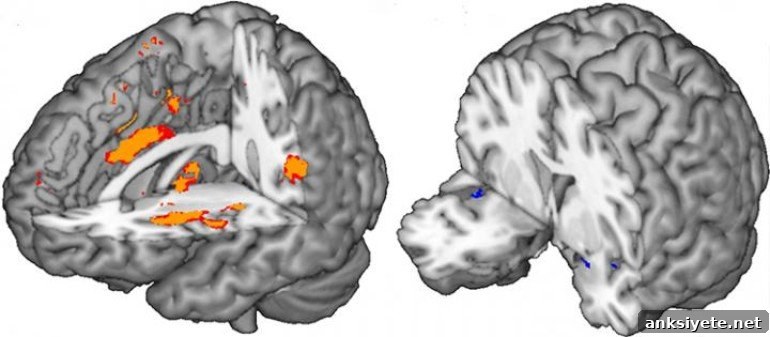
Summary: Observing immoral or unhealthy behaviour evokes brain responses similar to those caused by foul odours. The study also identifies a neural biomarker associated with the feeling of disgust. Source: University of Geneva People’s reactions to unhealthy or immoral behaviour recruit basic survival-related emotions. Scientific debate has centered on whether those reactions are primarily linked … Read more

New Study Reveals How Neurons Grow and Regenerate

featured 15395

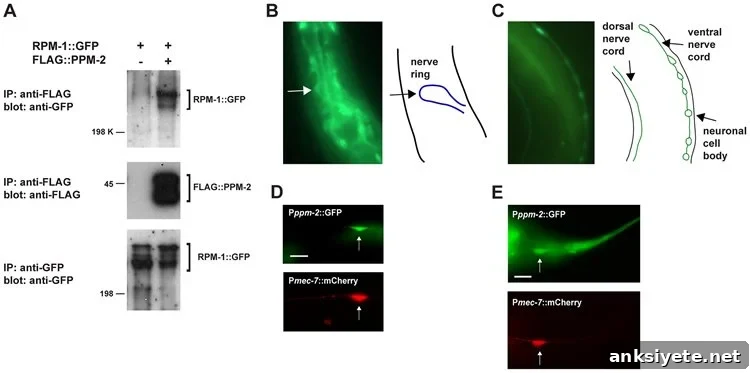
Amidst the astounding complexity of the billions of nerve cells and trillions of synaptic connections in the brain, how do nerve cells decide how far to grow or how many connections to build? How do they coordinate these events within the developing brain? Researchers at the Florida campus of The Scripps Research Institute (TSRI) have … Read more

How Anger Alters Blood Flow and Raises Heart Risk

featured 101804

Summary: Recalling past experiences that provoked anger can temporarily impair blood vessel function, a vital factor for healthy circulation. In a randomized study of 280 adults, researchers induced feelings of anger, anxiety, sadness, or a neutral state and measured subsequent vascular responses to determine how these emotions affect the lining of blood vessels. Results showed … Read more

AI Model Detects Parkinson’s From Breathing Patterns

featured 85797

Summary: Researchers have developed an artificial intelligence model that can detect Parkinson’s disease by analyzing a person’s breathing during sleep. The model also estimates disease severity and monitors progression over time. Source: MIT Parkinson’s disease is often hard to diagnose early because current diagnoses rely mostly on visible motor symptoms—tremor, rigidity, and slowed movement—that typically … Read more

Endocannabinoid System Protects From Addiction After Childhood Abuse

featured 92359

Summary: Higher activity in the brain’s endocannabinoid system and distinct patterns of neural processing of emotional social signals were found in people who remained resilient to substance use disorder after documented childhood maltreatment. Source: Linköping University New research from Linköping University shows that stronger activity in the body’s own cannabinoid system and altered brain responses … Read more

Study Identifies Deep Brain Circuit Linked to Discomfort

featured 98077

Summary: Scientists have identified a neural circuit within the subthalamic nucleus (STN) that, when activated, produces a pronounced sense of discomfort and aversion. This discovery clarifies how specific subthalamic pathways connect to the brain’s emotional systems and has important implications for understanding depression-like symptoms and the side effects associated with deep brain stimulation (DBS) treatments … Read more

Why Familiar Faces Seem Happier Than Strangers

featured 41664

Familiar Faces Appear Happier, Study Finds Summary: New research shows that people tend to perceive faces they know as looking happier than unfamiliar faces, even when both express the same emotion to the same degree. Source: APS People perceive familiar faces as happier than unfamiliar ones, even when both faces display the same level of … Read more

How Obstructive Sleep Apnea Triggers Inflammation and Organ Damage

featured 54185

Summary: New research argues that obstructive sleep apnea functions as a persistent, low-grade inflammatory disease that contributes to organ dysfunction and accelerated biological aging. Source: University of Missouri Columbia. Researchers pursuing longer, healthier lives are increasingly focused on how sleep and inflammation influence aging and disease. “Aging has become the next frontier in medicine,” said … Read more

Why Hobbies Boost Mental Health: The Science Explained

featured 71358

Summary: Research shows that taking up and maintaining hobbies can improve mental health—from reducing symptoms of depression to stimulating the brain’s reward system—and may help protect against anhedonia during stressful periods such as a pandemic. Source: The Conversation The COVID-19 pandemic has affected many people’s mental health. With worries about infection, social distancing and restrictions … Read more

Study Finds Brain Microbleeds Could Double Dementia Risk

featured 107827

Summary: Researchers report that intracranial hemorrhages—commonly called brain bleeds—are associated with about a twofold increase in the risk of developing dementia in later years. While ischemic strokes caused by clot-related blocked blood flow have long been linked to cognitive decline, this large U.S. study extends those concerns to spontaneous hemorrhages and highlights the need for … Read more