
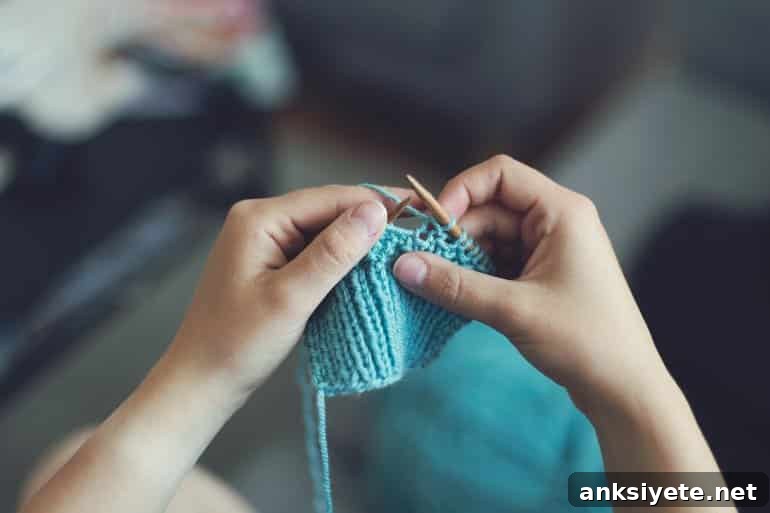
Summary: Research shows that taking up and maintaining hobbies can improve mental health—from reducing symptoms of depression to stimulating the brain’s reward system—and may help protect against anhedonia during stressful periods such as a pandemic.
Source: The Conversation
The COVID-19 pandemic has affected many people’s mental health. With worries about infection, social distancing and restrictions on movement, feelings of loneliness, anxiety and low mood have increased for many. Public health guidance has emphasised maintaining routine—regular eating, sleep, hygiene and exercise—but another important and sometimes overlooked recommendation is to keep making time for activities you enjoy.
A growing body of research links having a hobby to lower rates of depression and suggests that engaging in pleasurable activities can help prevent depressive symptoms for some people. One of the key mental-health problems hobbies may address is anhedonia—loss of interest or pleasure in normally enjoyable activities—which is a common and distressing symptom of depression. Many people with depression identify anhedonia as the symptom they most want relief from, and some standard antidepressant treatments do not always resolve it fully.
For some individuals, anhedonia can be an early sign of depression and may predict how severe the condition becomes. Given that, deliberately scheduling enjoyable activities or taking up a hobby during stressful times—such as during lockdowns—can be a practical strategy to protect mood and guard against the downward spiral of losing interest in life.
One way healthcare systems respond to mild to moderate depression is through social prescribing. This approach encourages patients to take part in non-medical interventions—often community-based activities or hobbies—to improve wellbeing. Social prescribing can include gardening, creative arts and other pursuits that promote engagement and social contact. Because antidepressant medication may be less effective for people with mild depression, non-medical options like hobbies can be a valuable complement or alternative for some patients.
Clinical psychological treatments also draw on the idea that behaviour influences mood. Behavioural activation, for example, asks patients to schedule enjoyable and meaningful activities into their day to increase positive experiences and counteract withdrawal and inactivity. A wide range of activities can be effective in this context—exercise, music, drawing, reading, handicrafts, volunteering or other hobbies that bring pleasure, mastery or social connection.
Reward system
Hobbies work in part by engaging the brain’s reward system. When we take part in an activity we enjoy, the brain releases neurotransmitters—chemical messengers such as dopamine—that produce feelings of pleasure and reinforcement. Those pleasant sensations encourage us to repeat the activity, strengthening motivation and interest over time. This “kick-start” of the reward system can be especially important when motivation is low; even small, scheduled activities can help reawaken a person’s desire to engage with life, which researchers are continuing to study in greater depth.
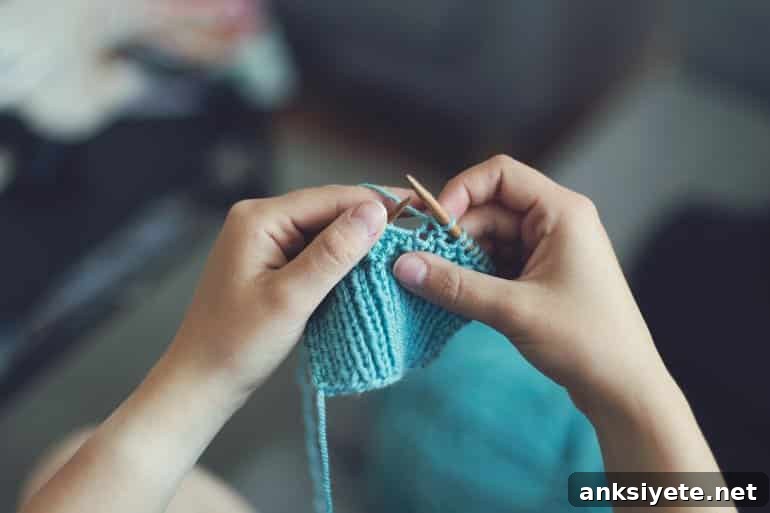
Beyond pleasure and motivation, hobbies can deliver other mental and physical health benefits. Physical activities can improve fitness and energy levels. Musical practice, for example, has been associated with benefits for memory and cognitive skills, while mentally stimulating leisure pursuits—such as reading, board games and puzzles—are commonly linked with cognitive resilience as people age. Creative pursuits and social hobbies can enhance feelings of competence, social connection and purpose, all of which support mental wellbeing.
If you are feeling lower than usual—whether during the pandemic or at any other time—consider re-engaging with past interests or trying new activities that feel achievable and enjoyable. Start small and schedule them into your routine so that you give the reward system a chance to respond. Examples include brief daily walks, simple crafts, listening to or learning music, gardening, cooking, reading a chapter of a book, or joining an online group that practises a shared hobby.
If you find it hard to choose activities or to get started, or if low mood persists despite trying to reintroduce enjoyable activities, seek support. Your GP or a mental health professional can help you identify appropriate options—whether that means structured psychological treatments, social prescribing opportunities, or other supports tailored to your needs.
Funding: Ciara McCabe has received funding from The Medical Research Council.
About this mental health research news
Source: The Conversation
Contact: Ciara McCabe – The Conversation
Image: The image is in the public domain