
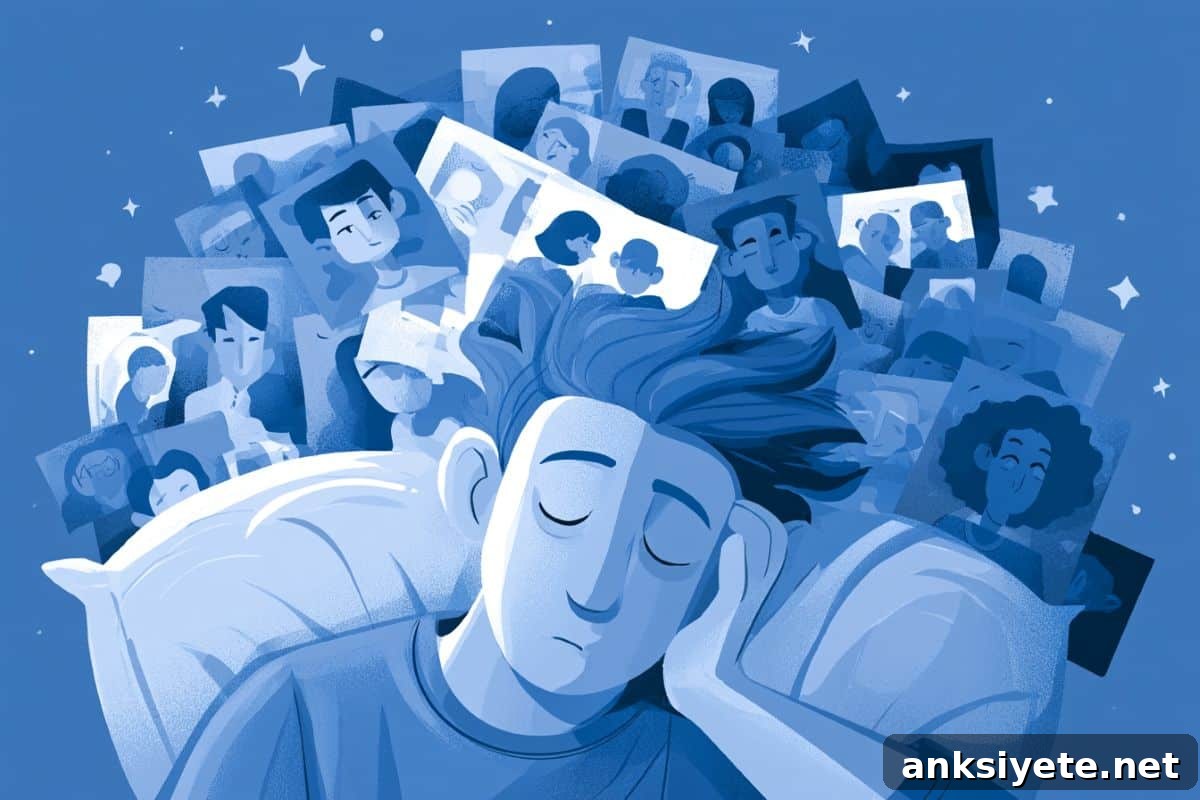
Summary: Memory loss caused by acute sleep deprivation reflects a failure to retrieve stored information rather than the permanent erasure of memory traces. This investigation tracked how sleep loss prevents mammals from distinguishing between distinct social encounters that occurred in the same environment.
The research team used high-precision optogenetics and targeted pharmacology to show that sleep-deprived mice failed to recognize familiar peers. Remarkably, the researchers restored those lost social memories either by administering the clinically approved drug roflumilast or by using light to selectively reactivate the specific neuronal ensembles (engrams) that encoded the original experience.
Key Facts
- Retrieval Failure, Not Storage Loss: Longstanding assumptions held that sleep-related “brain fog” results from a failure to consolidate memories during sleep. This study overturns that view: social experiences are encoded and stored despite sleep deprivation, but the mechanisms required to retrieve those memories become momentarily unavailable.
- The Shared Environment Multi-Individual Test: To mimic everyday social situations where multiple people are met in the same place, researchers exposed mice to several different peers in the same environment. Well-rested mice distinguished these individuals easily, while sleep-deprived mice showed profound recognition failure, treating familiar individuals as strangers.
- Pharmacological Rescue with Roflumilast: Administering roflumilast, a phosphodiesterase-4 (PDE4) inhibitor approved for respiratory disorders, immediately before re-encounter allowed sleep-deprived mice to access hidden social memories. This pharmacological intervention restored recognition to the same level observed in well-rested animals.
- Optogenetic Engram Reactivation: To demonstrate that the memories remained intact, scientists used optogenetics to label the hippocampal neurons active during the original social interaction and later stimulated those exact cells with light. This precise reactivation instantly recovered the mouse’s social recognition, proving the memory trace itself was preserved.
- Persistent Recovery After a Single Retrieval: When an engram was reactivated optogenetically, mice retained natural, unaided access to that social memory for days afterwards, indicating that a single targeted retrieval event can repair sleep-induced recall deficits.
- Shared Hippocampal Substrate: Both spatial maps and social indexing depend on overlapping circuitry within the hippocampus. Sleep deprivation disrupts this junction, making it harder for the brain to keep closely related contextual memories distinct.
- Translational Potential: By identifying molecular and circuit-level gatekeepers affected by sleep loss, the study points to therapeutic approaches to restore memory recall. This has implications for retrograde amnesia, Alzheimer’s disease, and groups exposed to chronic sleep fragmentation, including shift workers, healthcare professionals, students, and parents of infants.
Source: University of Groningen
Anyone who has had a poor night’s sleep knows the next day can feel foggy. That fog often affects memory: we struggle to recall where we went, who we met, or what happened during an encounter.
Neuroscientist Robbert Havekes and colleagues at the University of Groningen study how sleep deprivation impairs memory. In a study published in Science Advances on 10 June, Havekes and first author Adithya Sarma report that sleep loss makes mice fail to recognize social peers, not because the memories are erased but because the animals temporarily cannot retrieve them.
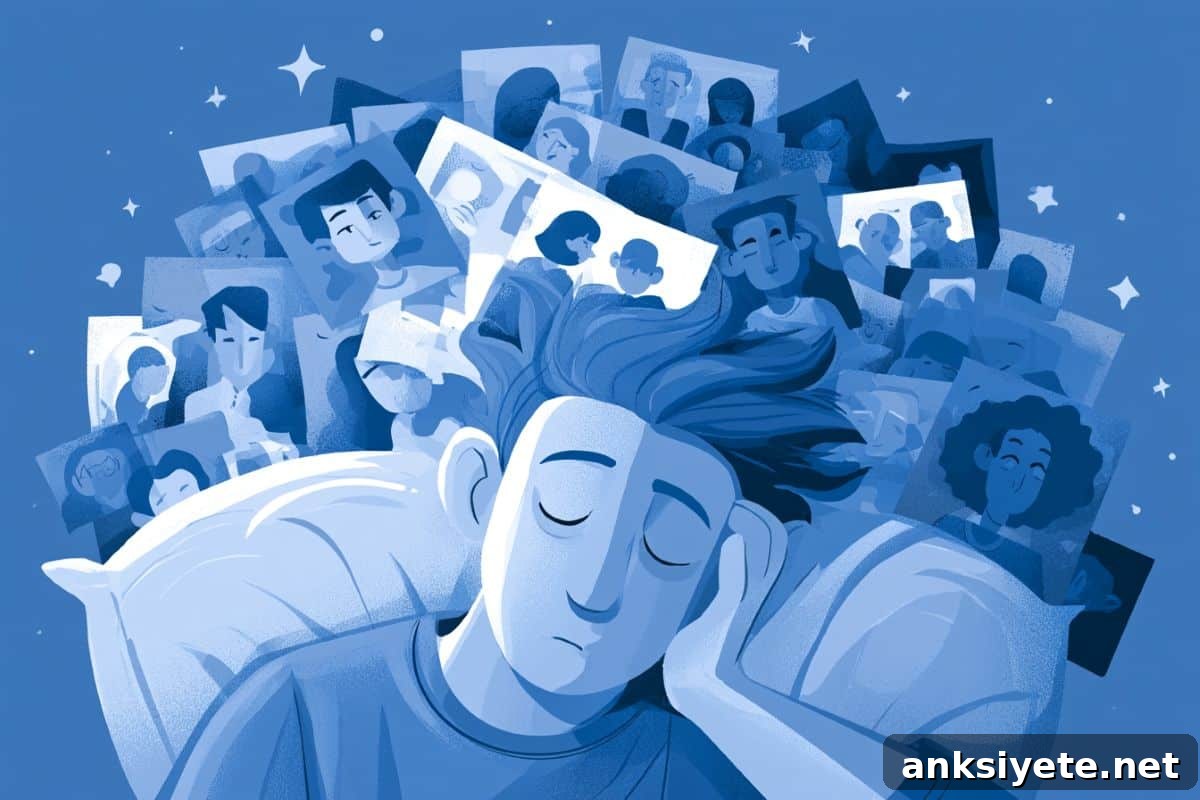
In their experiments, mice encountered several other mice one at a time in the same environment. When animals were allowed normal sleep, they later recognized the individuals. But if mice were sleep deprived after the initial socialization, they failed to recognize those same peers at a later test. Administering roflumilast before the re-encounter restored recognition, showing the drug reopened access to memories that remained inaccessible under sleep debt.
Previous work from this group found a similar pattern for spatial memory: sleep deprivation impaired maze recall, and roflumilast reinstated access. Together, these results indicate that sleep loss produces a general impairment in memory retrieval that affects multiple hippocampus-dependent memory types.
Keeping experiences separate
The authors further validated their interpretation using optogenetics, a method that enables control of specific neuron populations with light. By tagging the hippocampal dentate gyrus cells active during the initial social contact, then later stimulating those same cells, researchers could selectively restore individual social memories. The recovered memories persisted for days after a single artificial retrieval, confirming that encoding and storage had been preserved despite the initial retrieval failure.
“We knew spatial memory is vulnerable to sleep deprivation and that the hippocampus plays a key role,” says Havekes. “What we didn’t know was that sleep loss equally impairs retrieval of social memories encoded in the same brain region.” Sarma emphasizes the everyday relevance: “Social memories typically occur when we meet multiple people in the same place; the brain must keep those experiences distinct.” The team found that both social and spatial retrieval problems share a similar mechanism and can be mitigated by roflumilast.
Shift workers
The next step is to pinpoint the precise cellular and molecular mechanisms that cause this retrieval failure. Clarifying that pathway could enable the development of treatments that more permanently restore memory access for specific experiences and potentially address other forms of amnesia.
These findings could inform strategies for people who regularly experience fragmented or insufficient sleep—such as shift workers, healthcare professionals, students, and caregivers—by identifying interventions to protect or restore memory retrieval in real-world settings.
Key Questions Answered:
A: No. This study from the University of Groningen shows that sleep deprivation does not destroy stored memories. Instead, it temporarily blocks the brain’s retrieval mechanisms so the physical memory trace remains intact in the hippocampus but is inaccessible until the retrieval pathway is restored.
A: Roflumilast inhibits PDE4, an enzyme that degrades intracellular signaling molecules involved in memory processes. By preserving those signaling molecules, the drug boosts hippocampal signaling during testing and can temporarily bypass the retrieval block caused by sleep deprivation, restoring immediate access to hidden memories.
A: Optogenetics uses light to activate genetically targeted neurons. Researchers labeled the exact ensemble of neurons—the engram—activated during the first social encounter. Later, a light pulse reactivated those same cells, and the animal immediately recognized its peer. This direct reactivation demonstrates the memory trace was preserved even when behavioral recall initially failed.
Editorial Notes:
- This article was edited by a Neuroscience News editor.
- Journal paper reviewed in full.
- Additional context added by staff.
About this sleep and memory research news
Author: Rene Fransen
Source: University of Groningen
Contact: Rene Fransen – University of Groningen
Image: The image is credited to Neuroscience News
Original Research: Open access. “Restoring access to long-term social recognition memories disrupted by sleep deprivation” by Adithya Sarma, Camilla Paraciani, Junfei Cao, Evgeniya Tyumeneva, Caterina Stacchiola, Elroy L. Meijer, Nienke de Vries, Soraya Smit, Fleur Meijer, Marit Bonne, Jean-Christophe Billeter, Peter Meerlo, and Robbert Havekes. DOI: 10.1126/sciadv.adu9805
Abstract
Restoring access to long-term social recognition memories disrupted by sleep deprivation
Long-term social memories are essential for forming and maintaining relationships, and social amnesia can seriously disrupt daily functioning. Using a paradigm designed to probe hippocampus-dependent social memory, the authors show that mice can distinguish multiple social experiences even when those experiences occur in the same context across days.
Sleep deprivation immediately after social interactions disrupts memory consolidation and produces social amnesia. Treatment with the FDA-approved PDE4 inhibitor roflumilast during sleep deprivation protects consolidation, while administration immediately before testing can temporarily reverse social amnesia.
Optogenetic reactivation of dentate gyrus engram cells restores access to social memories and enables selective retrieval of individual experiences. Using two cFos-based engram-tagging strategies, the study finds that sleep deprivation selectively impairs the reactivation of experience-specific engrams without affecting engram formation or overlap.
These results indicate that impaired engram reactivation contributes to sleep deprivation–induced social amnesia and highlight the role of the hippocampal dentate gyrus in encoding, maintaining, and distinguishing social experiences within a single context.