
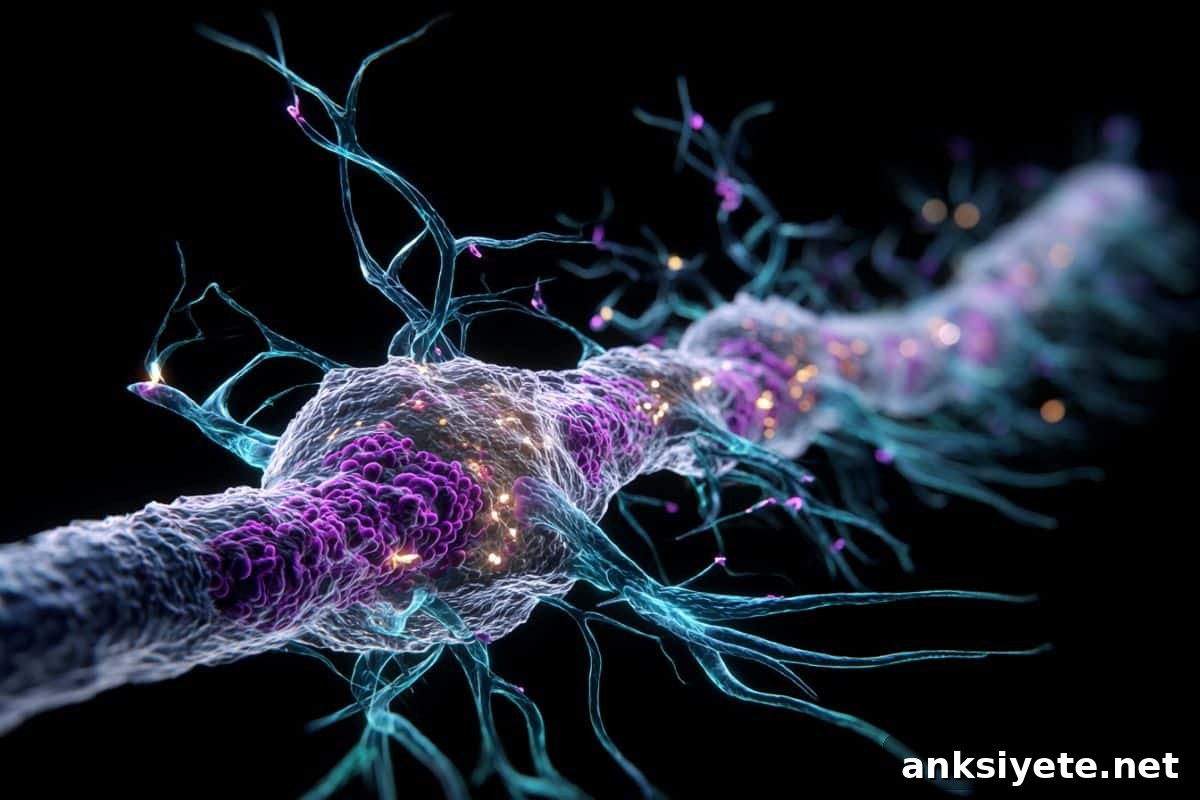
Summary: A multinational phase 2b clinical trial found that NG101, a novel recombinant antibody, preserves existing nerve tissue and accelerates the regression of spinal cord lesions after acute cervical injury by neutralizing the inhibitory protein Nogo-A. High-resolution MRI combined with clinical measures allowed researchers to visualize treatment-related structural changes early in the recovery process, offering a reproducible biomarker strategy for restoring brain-to-muscle communication.
NG101 works by blocking Nogo-A, a protein in the myelin sheaths that prevents damaged axons from regrowing. By removing this molecular brake, the antibody promotes axonal sprouting and structural repair around the injury site. The trial’s imaging results show accelerated lesion shrinkage, reduced tissue loss, and evidence of new fiber growth that reconnects pathways controlling arms, hands and legs.
Key Facts
- Removing the healing barrier: NG101 neutralizes Nogo-A, an inhibitory protein present in nerve fiber sheaths of the brain and spinal cord that limits axon regrowth after acute trauma.
- Accelerated lesion regression: Advanced MRI demonstrated that spinal cord lesions shrink faster with NG101 treatment, consistent with regeneration in tissue adjacent to the injury.
- Tissue loss interception: NG101 slowed the progressive loss of existing nerve tissue and promoted the emergence of new nerve fibers, preserving spinal cord structure.
- Functional reconnection: Surviving and newly formed axons were observed to navigate across or around lesions and re-establish connections with spinal cord centers that control peripheral nerves for the arms and legs.
Source: University of Zurich
Background: Spinal cord injuries, commonly caused by traffic collisions or sports accidents, can produce tetraplegia or paraplegia and severely reduce independence. Restoring structural and functional connections between the brain and muscles remains a central challenge in clinical neurology and rehabilitation.
In late 2024, an international research consortium led by the University of Zurich (UZH) and Balgrist University Hospital completed a multicenter clinical trial testing NG101 in patients with acute cervical spinal cord injury. The study combined MRI biomarkers and electrophysiology with clinical outcome measures to evaluate how neutralizing Nogo-A affects spinal cord micro- and macrostructure over six months.
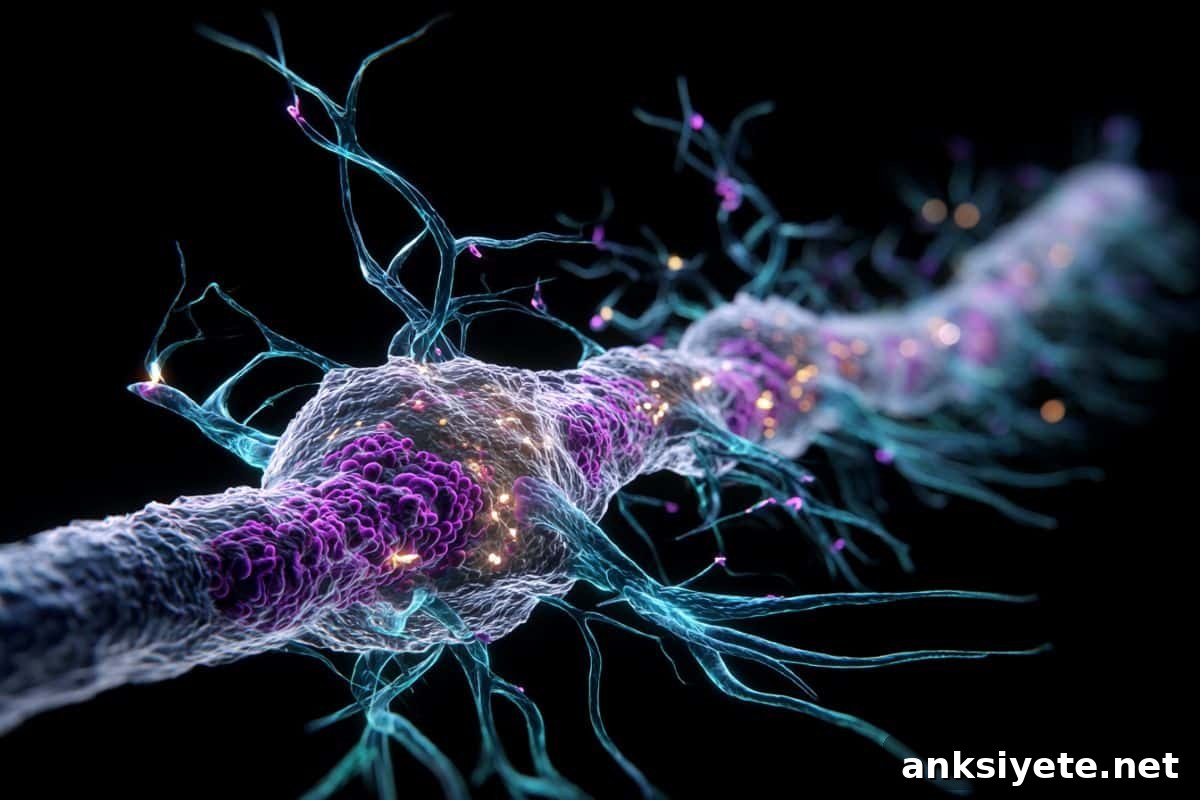
The trial’s imaging analysis revealed two consistent structural effects associated with NG101: faster reduction of lesion volume and a slower decline in measures of spinal cord cross-sectional area and myelin-sensitive MRI metrics in key motor pathways such as the corticospinal tracts and dorsal columns. Together, these changes indicate either slowed degeneration or enhanced fiber sprouting that supports functional recovery.
How NG101 works
Nogo-A was identified at UZH about three decades ago as a major inhibitor of axonal regrowth in the central nervous system. After acute trauma, Nogo-A in myelin sheaths acts as a molecular barrier that prevents damaged axons from extending and reconnecting. NG101 binds to and neutralizes Nogo-A, releasing this inhibition and enabling endogenous regeneration processes to proceed.
Objective imaging and early visualization
Using high-resolution MRI alongside electrophysiological recordings, the research team objectively tracked structural repair in vivo. The imaging captured significant early differences between NG101 and placebo groups: lesion cavities contracted faster, tissue bridges and the fine architecture of new fibers became apparent, and the usual rapid decline in cord area and myelin-sensitive signals was markedly attenuated in treated participants.
These imaging biomarkers provide a reproducible way to detect treatment effects early, improve patient stratification, and design more efficient clinical trials by combining structural MRI with functional electrophysiology.
Functional implications
The structural improvements were accompanied by enhanced re-establishment of connections between the spinal cord centers and peripheral nerves controlling the hands, arms, and legs. For some patients with acute injuries, this translated into a higher likelihood of regaining important arm and hand functions—an outcome with major implications for independence and rehabilitation potential.
Key Questions Answered
Q: If someone is paralyzed from a car accident, can this drug make them walk again?
A: It is too early to promise full mobility for every patient. However, the clinical trial showed that NG101 helps surviving and newly generated nerve fibers reconnect with spinal centers that control limb function, which increases the probability of recovering crucial hand and arm movements in patients treated after acute injuries.
Q: Why doesn’t the spinal cord heal itself naturally like a broken bone?
A: The central nervous system contains inhibitory molecules such as Nogo-A that act as a molecular brake on axonal growth. After acute trauma, these inhibitors prevent damaged fibers from regrowing. NG101 neutralizes Nogo-A and removes that barrier, allowing natural regenerative mechanisms to proceed.
Q: How do researchers know the drug is repairing the spinal cord and not just masking symptoms?
A: High-resolution MRI provided objective, structural evidence: lesion volumes decreased more quickly, the rapid loss of delicate nerve tissue was reduced, and imaging showed the architecture of newly sprouting fibers and preserved tissue—changes that go beyond symptom masking and indicate true structural repair.
Editorial Notes
- This article was edited by a Neuroscience News editor.
- The journal paper was reviewed in full.
- Additional context was added by the editorial staff.
About this research news
Author: Kurt Bodenmueller
Source: University of Zurich
Contact: Kurt Bodenmueller – University of Zurich
Image credit: Neuroscience News
Original Research: Open access. “Anti-Nogo-A NG101 treatment induces changes in spinal cord micro- and macrostructure following spinal cord injury: A multicenter MRI study” by Lynn Farner et al., published in Nature Communications. DOI: 10.1038/s41467-026-71412-0
Abstract
Anti-Nogo-A NG101 treatment induces changes in spinal cord micro- and macrostructure following spinal cord injury: A multicenter MRI study
NG101 is a recombinant antibody that neutralizes the nerve growth inhibitor Nogo-A, promoting neural repair and improving upper extremity motor function in spinal cord injury (SCI). The study evaluated MRI biomarkers to detect treatment-related structural changes and improve patient stratification using data from 106 participants with acute cervical SCI enrolled in the phase 2b NISCI trial.
Lesion volume, tissue bridges, cross-sectional cord area (CSA), and tract-specific myelin-sensitive magnetization transfer saturation (MTsat) were assessed over six months. Compared with placebo, participants treated with NG101 showed faster lesion volume reduction and a slower decline in CSA and MTsat within corticospinal tracts and dorsal columns. Multimodal stratification combining MRI and electrophysiology substantially enhanced detection of clinical treatment effects, suggesting that NG101 either slows trauma-induced degeneration or promotes fiber sprouting. These results support combining MRI with electrophysiology for sensitive detection of treatment effects and more efficient trial designs. ClinicalTrials.gov identifier: NCT03935321.