
Summary: Combining transcranial magnetic stimulation with peripheral nerve stimulation over an extended period may restore voluntary movement in some people with chronic spinal cord injury.
Source: Helsinki University Hospital
New patient research at the BioMag laboratory, Helsinki University Hospital suggests a promising rehabilitation approach for people living with chronic spinal cord injury.
Researchers at the BioMag laboratory conducted a first-of-its-kind study in which two patients with chronic, incomplete spinal cord injuries received long-term paired associative stimulation — a therapeutic protocol that synchronizes noninvasive transcranial magnetic brain stimulation (TMS) with electrical stimulation of peripheral nerves. The treatment was delivered repeatedly over a period of approximately 20–24 weeks (nearly six months).
The study was led by Dr. Anastasia Shulga, a neurologist at the BioMag laboratory. Both participants had sustained traumatic spinal cord injuries more than two years before the study began and had already completed conventional rehabilitation programs; they continued routine rehabilitation therapies during the stimulation trial.
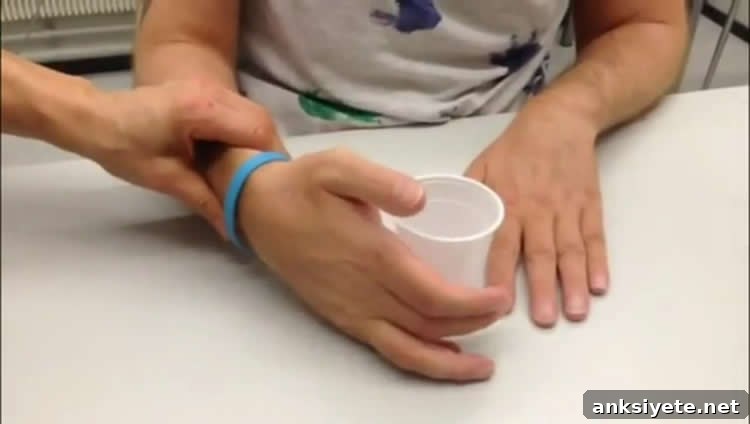
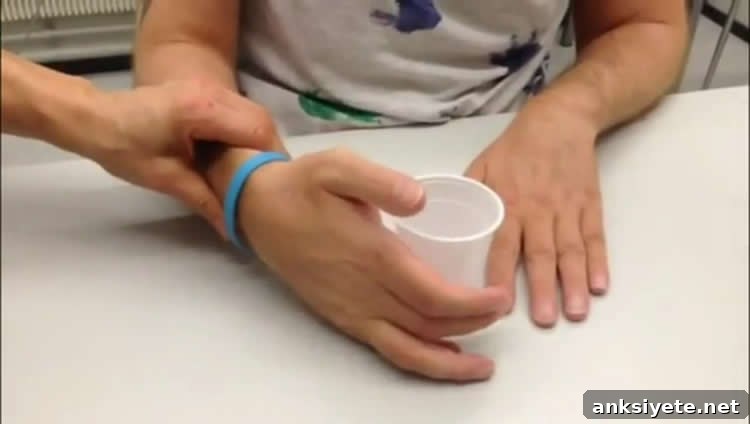
One participant was paraplegic, with paralysis below the knees, and the other was tetraplegic, with limited voluntary hand movement but no functional grasp. After the long-term stimulation protocol, both patients showed clinically meaningful motor improvements: the paraplegic patient regained active plantarflexion and dorsiflexion at both ankles, and the tetraplegic patient recovered the ability to grasp an object.
These gains were not merely transient. The newly recovered movements persisted in the absence of stimulation for at least one month after the final treatment session. One of the patients has since enrolled in a follow-up study that provides stimulation more intensively and for an even longer duration to further evaluate durability and functional benefits.
Dr. Shulga summarized the findings: “We observed strengthened neural connections and partial restoration of movement to muscles which the patients were previously entirely unable to use.”
Paired associative stimulation is designed to promote neuroplasticity in spared corticospinal pathways. In this approach, a TMS pulse over the motor cortex is time-locked to an electrical pulse delivered to a peripheral nerve, with the goal of strengthening weak but intact neural connections. Previous work showed that a single session can induce transient changes in corticospinal excitability in people with spinal cord injury, but persistent, clinically relevant restoration of voluntary movement after repeated, long-term sessions had not been demonstrated in chronic patients prior to this study.
The new case study provides preliminary evidence that repeated paired associative stimulation can produce lasting improvement in voluntary motor control, even when applied in the chronic phase of injury. These results are encouraging because rehabilitation options for individuals with long-standing spinal cord injury are limited and new interventions that can enhance functional recovery are urgently needed.
Dr. Jyrki Mäkelä, head of the BioMag laboratory, emphasized the early but hopeful nature of the findings: “This is a case study with two patients only, but we think the results are promising. Further study is needed to confirm whether long-term paired associative stimulation can be used in rehabilitation after spinal cord injury by itself and, possibly, in combination with other therapeutic strategies.”
The BioMag research laboratory is a collaborative unit operated by the University of Helsinki, Helsinki University Hospital and Aalto University in conjunction with the HUS Medical Imaging Center.
Study source: Researchers led by Anastasia Shulga reported the findings in the article titled “Long-term paired associative stimulation can restore voluntary control over paralyzed muscles in incomplete chronic spinal cord injury patients.” The work appears in Spinal Cord Series and Cases (published online July 14, 2016). DOI: 10.1038/scsandc.2016.16.
spinal cord injury, chronic spinal cord injury, paired associative stimulation, transcranial magnetic stimulation, peripheral nerve stimulation, neurorehabilitation, motor recovery, corticospinal plasticity