
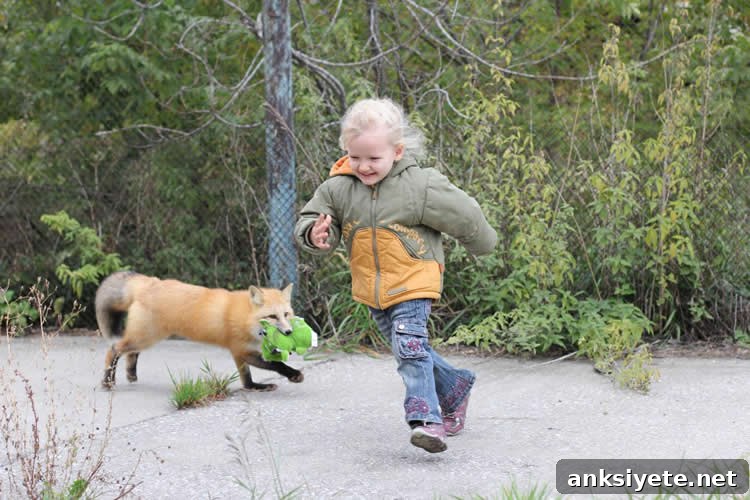
Summary: A new study illuminates genetic contributions to fox behavior. Researchers report that the SorCS1 gene is linked to social tendencies in foxes and suggest these findings may also have relevance for understanding behavior in other mammals, including humans.
Source: University of Illinois.
Sequenced Fox Genome Reveals Genetic Regions Linked to Tame and Aggressive Behavior
For nearly six decades, a unique population of red foxes has offered researchers an unprecedented view into the genetics of behavior. At the Russian Institute of Cytology and Genetics, scientists have selectively bred foxes for tame or aggressive temperaments, effectively recreating key steps of domestication from wolf-like ancestors toward dog-like social behavior. With the recent publication of the first assembled red fox genome, researchers can now begin to identify specific genomic regions and genes associated with those behavioral differences.
“We’ve been waiting for this tool for a very, very long time,” says Anna Kukekova, assistant professor in the Department of Animal Sciences at the University of Illinois and lead author of the study. Kukekova, who has studied the Russian foxes since 2002, explains that earlier genetic analyses relied on the dog genome as a reference. Having a true fox reference genome greatly improves the ability to detect the genetic architecture underlying differences in tameness and aggression.
Comparing Tame, Aggressive, and Conventional Populations
After sequencing and assembling the red fox genome, the research team re-sequenced individuals from three distinct populations maintained at the Russian facility: foxes selected for tame behavior, foxes selected for aggressive behavior, and a conventional farm-bred population that served as an ancestral control and was not selected for behavior. They sequenced genomes from ten individuals in each group and compared these to the full fox genome assembly.
The comparison identified 103 genomic regions that differentiate the three populations. Some of these regions show signatures consistent with selection for behavioral traits and include candidate genes that likely contribute to tameness or aggression. According to Kukekova, this level of resolution—pinpointing candidate genes within defined chromosome regions—exceeded earlier expectations made with less suitable reference data.
Connections to Other Species and Unexpected Links
Comparative analysis revealed intriguing overlaps between the fox regions under selection and genomic regions implicated in domestication or social behavior in other mammals. The team noted similarities with regions previously associated with dog domestication and also detected correspondence to a human genomic region linked to Williams-Beuren syndrome, a disorder characterized by unusually outgoing and social behavior.
Surprisingly, the human-linked Williams-Beuren region aligned with the aggressive fox population rather than the tame population, an unexpected result that highlights the complexity of genotype-to-phenotype relationships and the need for further investigation before drawing broader conclusions.
SorCS1: A Specific Gene Associated with Social Approach
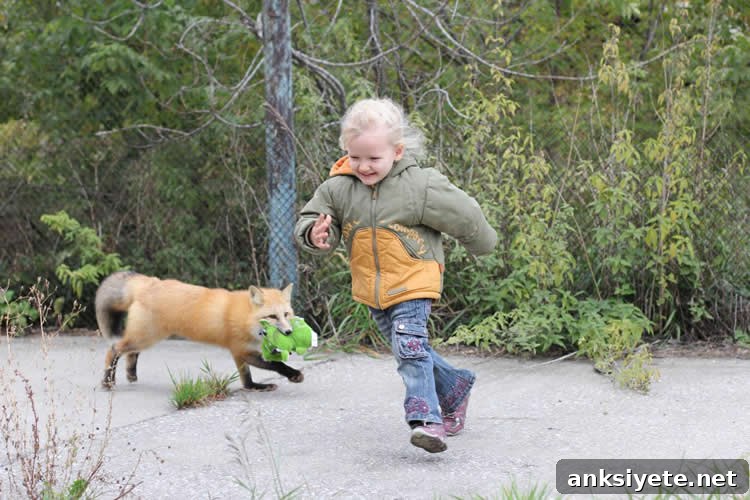
To test how the genome assembly could yield precise behavioral candidates, the researchers focused on a single gene: SorCS1. This gene encodes a trafficking protein important for AMPA glutamate receptors and neurexins, molecules central to synapse formation, function, and plasticity. Although SorCS1 had not previously been implicated in social behavior, the fox data linked a particular SorCS1 variant with a specific social response during standardized behavioral assessments.
In those assessments, human handlers perform a controlled, videotaped sequence near fox enclosures: standing near the enclosure for one minute, holding the door open for a minute, reaching toward the fox for a minute, then closing the door and standing nearby for a final minute. The tamest foxes persistently seek human contact and attention during that last minute. The research found that foxes exhibiting this persistent social approach carry a version of SorCS1 absent from the aggressive population.
“We think this gene makes foxes more tame, but we don’t want to overemphasize it—tameness isn’t associated with a single gene. The picture is definitely more complex,” Kukekova cautions. The researchers emphasize that behavior emerges from many interacting genes, developmental pathways, and environmental influences.
The published work, titled “Red fox genome assembly identifies genomic regions associated with tame and aggressive behaviours,” presents a fox reference genome and re-sequencing analysis that identified 103 genomic regions showing signatures of selection between tame, aggressive, and conventional populations. The study highlights SorCS1 as a strong positional candidate linked to affiliative behavior and suggests a role for synaptic plasticity in the process of fox domestication. Other identified regions include genes previously implicated in human neurological disorders, mouse behavior, and dog domestication, reinforcing the fox as a powerful comparative model for genetic studies of social and aggressive behaviors.
Authors: Anna Kukekova, Jennifer Johnson, Xueyan Xiang, Shaohong Feng, Shiping Liu, Halie Rando, Anastasiya Kharlamova, Yury Herbeck, Natalya Serdyukova, Zijun Xiong, Violetta Beklemischeva, Klaus-Peter Koepfli, Rimma Gulevich, Anastasiya Vladimirova, Jessica Hekman, Polina Perelman, Aleksander Graphodatsky, Stephen O’Brien, Xu Wang, Andrew Clark, Gregory Acland, Lyudmila Trut, and Guojie Zhang.
Funding: The research received support from National Institutes of Health grant GM120782, USDA Federal Hatch Project 538922, Russian Science Foundation grants 16-14-10009 and 16-14-10216, the Institute of Cytology and Genetics of the Siberian Branch of the Russian Academy of Sciences grant 0324-2018-0016, Campus Research Board and Office of International Programs of the University of Illinois at Urbana-Champaign, and the Strategic Priority Research Program of the Chinese Academy of Sciences (grant XDB13000000).
Source and publisher information: University of Illinois. Article originally organized by Neuroscience News. Original research published in Nature Ecology & Evolution (2018) under the title “Red fox genome assembly identifies genomic regions associated with tame and aggressive behaviours.” DOI: 10.1038/s41559-018-0611-6.
Strains of red fox (Vulpes vulpes) with markedly different behavioral phenotypes were developed in the long-term Russian farm-fox experiment. Researchers sequenced and assembled the red fox genome and re-sequenced a subset of foxes from the tame, aggressive, and conventional farm-bred populations to detect genomic regions associated with response to selection for behavior. Analysis identified 103 regions with significantly decreased heterozygosity in one of the populations or increased divergence between populations. SorCS1 emerged as a strong candidate gene for tame behavior, implicating synaptic plasticity and trafficking of glutamate receptors in domestication-related behavioral change. The fox serves as a valuable model for studying genetic bases of affiliative and aggressive behaviors relevant to dogs and other mammals, including humans.