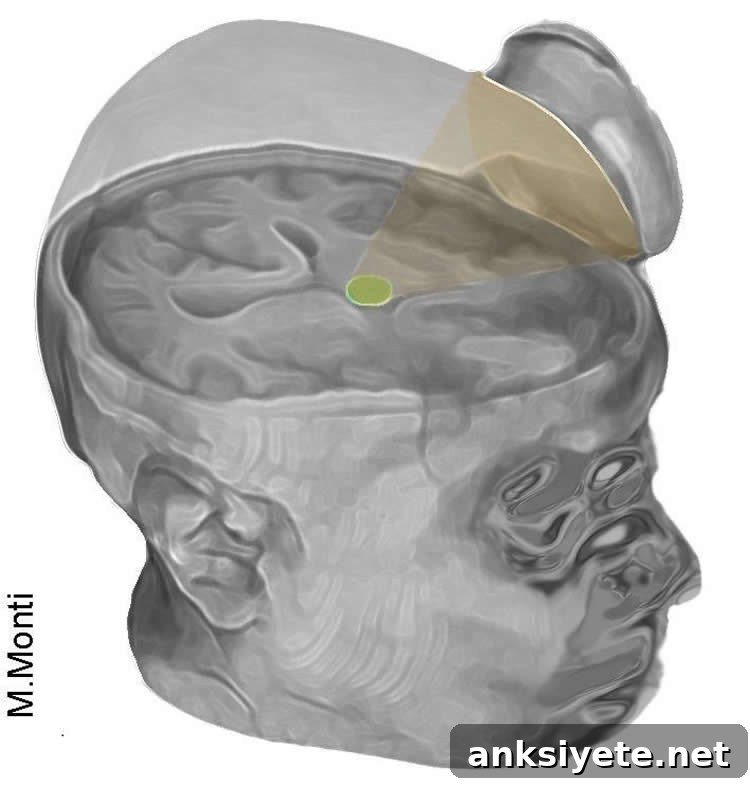
Hidden Gene Unlocks New Path to Improved Brain Function
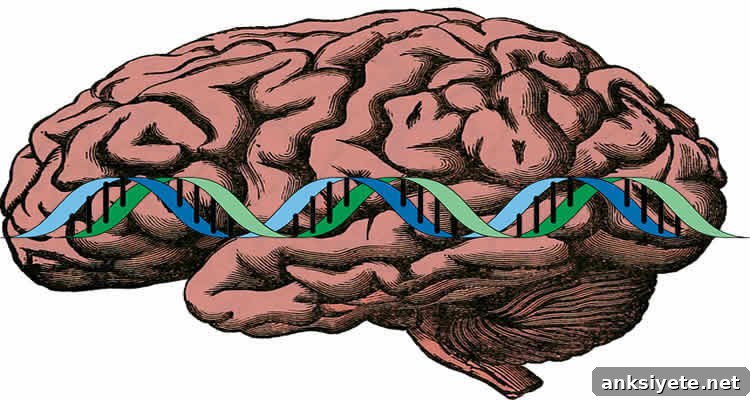
featured 19494

Discovery of Gomafu function increases understanding of its role in psychiatric disease. U.S. and Australian scientists have identified the mechanism by which a newly studied gene influences brain function and drives behaviors linked to neuropsychiatric disorders. Their work highlights how a noncoding gene, Gomafu, responds to experience and may shape vulnerability to conditions such as … Read more

Brain Scans Show How Bullying Triggers Immediate Anxiety

featured 112936

Summary: A recent neuroscience study finds that witnessing bullying activates distress pathways in the brain within seconds. When tweens and adults viewed first-person videos of bullying, their social and emotional brain networks became highly active and autonomic threat responses rose sharply. These rapid reactions were accompanied by increased attention and emotional arousal, and were strongest … Read more

New Study Finds Gut Microbiome Changes Linked to Fibromyalgia

featured 57307

Summary: A Montreal research team used clinical methods and deep learning to identify consistent changes in the gut microbiome of people with fibromyalgia. These alterations were independent of diet, medication, or age, and the degree of symptom severity correlated with the presence or absence of specific bacterial species. Source: McGill University Altered gut bacteria linked … Read more

Ultrasound Therapy to Restart Brain Function After Coma

featured 33720

Summary: Researchers have developed a new, non-invasive technique that could lead to an accessible therapy for patients with disorders of consciousness. Source: UCLA New Noninvasive Ultrasound Technique Could Offer Low-Cost Therapy for Severe Brain Injury Researchers at UCLA report a promising, noninvasive method that uses focused ultrasound to stimulate the thalamus and potentially restore consciousness … Read more

Optimizing Decision-Making for Mutual Benefit

featured 101414

Summary: Researchers investigated how human brains weigh choices that affect other people, especially when preferences conflict. In a controlled experiment, participants learned and compared food preferences—both their own and those of others—and used that information to make decisions intended to benefit the entire group. Using brain imaging and detailed behavioral tasks, the team found that … Read more

Pregnancy Fruit Intake Linked to Improved Baby Brain Development

featured 31573

Summary: Researchers found that children whose mothers ate more fruit during pregnancy scored higher on cognitive development tests at one year of age. Source: University of Alberta UAlberta Study Finds Prenatal Fruit Consumption Linked to Better Infant Cognitive Development New research from the University of Alberta suggests that eating more fruit during pregnancy may improve … Read more

Why Sleep Boosts Memory: New Scientific Insights

featured 44929

Summary: Sleep strengthens both original and updated versions of memories, enabling flexible, adaptive use of past experiences, researchers report. Source: University of York. Researchers at the University of York have provided new evidence on how sleep supports memory flexibility and resilience. The team found that sleep does more than simply consolidate a single memory trace. … Read more

Biodegradable Implant Boosts Nerve Regrowth in Rats

featured 51745

Implantable, Biodegradable Device Accelerates Peripheral Nerve Regeneration in Rats Summary: Researchers at Washington University School of Medicine in St. Louis and Northwestern University have developed a small, implantable and bioresorbable device that delivers programmed electrical pulses to injured peripheral nerves in rats, promoting faster nerve regrowth and improved recovery of muscle function. Source: WUSTL Peripheral … Read more

How Desired Emotions Shape Others’ Influence on Your Mood

featured 57432

Summary: People can exert more control over how others influence their emotions than previously believed. In laboratory experiments and social media analysis, Stanford researchers found that when people try to stay calm they resist angry displays from others, but when they want to feel anger they become more receptive to—and even amplify—anger expressed by others. … Read more

Hearing Voices Caused by Brain Misreading Inner Speech

featured 113495

Inner Speech Misattribution May Explain Auditory Hallucinations in Schizophrenia Summary: New research from the University of New South Wales provides strong evidence that some auditory verbal hallucinations — hearing voices — arise when the brain fails to identify its own inner speech as self-generated. In healthy people, the brain predicts the sound of inner speech … Read more