
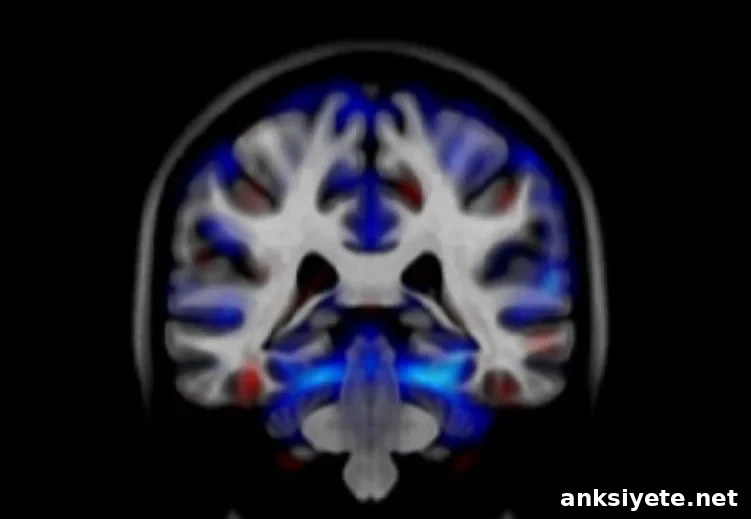
Christmas festivities are now in full swing, with bleary heads aplenty. But what is the effect on our brains?
Researchers are only recently making real progress in understanding how alcohol damages brain cells and disrupts normal brain function.
“People have long said that alcohol ‘rots’ the brain, but to develop effective treatments for alcohol dependence we need to understand precisely how it does this,” says Professor Anne Lingford-Hughes, chair in addiction biology at Imperial College London, who leads research into alcohol’s effects on the brain.
“We are discovering that alcohol not only depresses large parts of the brain and can trigger inflammation, but also that some consequences persist longer than previously thought. Knowing these mechanisms is essential for helping people recover.”
Below Professor Lingford-Hughes explains, in plain terms, what alcohol does to the brain at each stage of drinking, and why the after-effects can last beyond the party season.
Why that first sip feels so good
The immediate pleasant effect of a first drink comes from rapid changes to key neurotransmitters — the chemical messengers that control mood, thought and movement. Two of the main players are GABA and glutamate.
GABA (gamma-aminobutyric acid) is an inhibitory neurotransmitter that calms neural activity. Glutamate is its counterpart: an excitatory neurotransmitter that increases activity. Alcohol quickly enhances GABA’s calming effect while suppressing glutamate’s excitatory influence. That shift produces relaxation, reduced anxiety and the mild euphoria many people feel after a drink.
Why karaoke seems easier with alcohol
One of the first brain regions affected by this chemical imbalance is the frontal lobe, located behind the forehead. The frontal lobe guides decision-making, attention, planning and impulse control.
Because the frontal lobe is especially sensitive to alcohol, these executive functions are among the first to falter. People become more disinhibited, less cautious and quicker to act without considering consequences — which is why inhibitions fall and risk-taking increases after a few drinks.
Why texting and walking get harder
As drinking continues, alcohol impairs the cerebellum, the structure at the back and base of the brain that coordinates movement and balance. When cerebellar function is disrupted, speech becomes slurred, movements lose precision, and balance deteriorates. Even the tiny muscles that control eye movement can be affected, causing blurred or double vision because the eyes no longer track together smoothly.
Foggy memory and blackouts
Memory problems and so-called “blackouts” are linked to alcohol’s effects on the hippocampus, the brain region responsible for forming new memories. The hippocampus is sensitive to fluctuations in glutamate. When those levels surge or swing unpredictably, the hippocampus cannot reliably lay down new memories, producing gaps or fuzzy recollections from a night of drinking.
What happens when drinking stops
When alcohol leaves the bloodstream, the brain has to rebalance its neurotransmitters. GABA activity falls back toward baseline, but glutamate — which excites the brain — can remain elevated for some time. This imbalance produces anxiety, tremors, poor sleep and irritability. After severe or prolonged drinking, the sudden shift in brain chemistry can even trigger seizures. Dopamine levels can also be depressed during withdrawal, contributing to low mood and anhedonia (reduced pleasure).
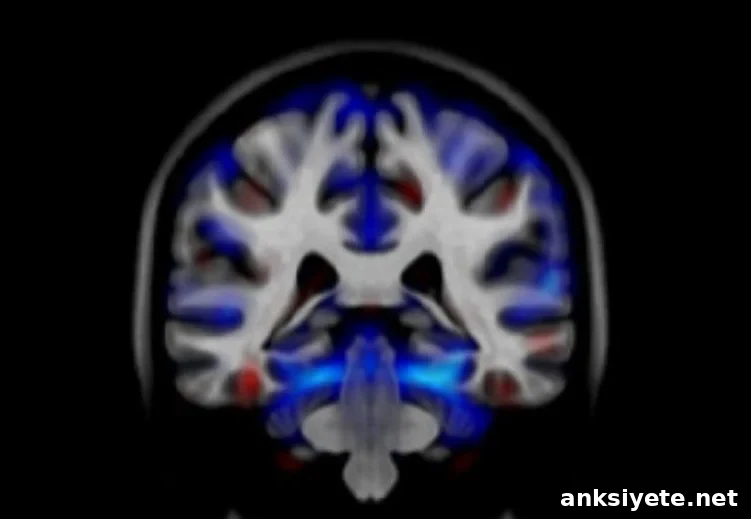
High glutamate levels can also be neurotoxic. Excessive excitation appears to damage the delicate connections between neurons, pruning synapses until they are severely reduced. That is one reason why heavy drinking can have lasting effects on cognitive function.
Because of these processes, the consequences of festive overindulgence can extend well beyond the holiday itself. “After a heavy period of drinking, people often feel unwell as neurotransmitter systems readjust,” Professor Lingford-Hughes explains. “Recovery may take days or even weeks, and typically takes longer with increasing age because the brain’s capacity to recover slows down.”
Professor Lingford-Hughes does not advocate complete abstinence for everyone during the holidays, but she urges moderation. Sensible drinking limits reduce the risk of acute harm and help protect the brain from repeated episodes of neurochemical stress that can accumulate over time.
The research team included investigators such as Tina Bilousova, Carol A. Miller, Wayne W. Poon, Harry V. Vinters, Maria Corrada, Claudia Kawas, Eric Y. Hayden, David B. Teplow, Charles Glabe, Ricardo Albay III, Gregory M. Cole and Edmond Teng, among others.
Source: Kate Wighton – Imperial College London
Image source: Adapted from the Imperial College London press release