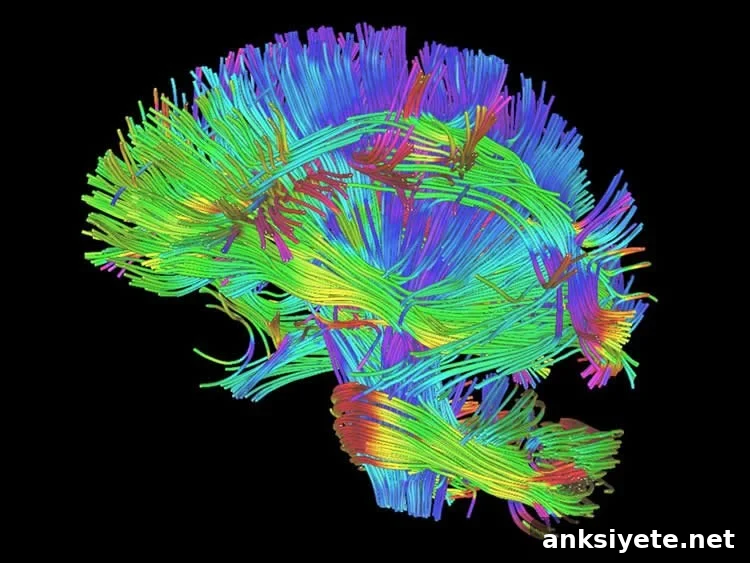
Repurposed Alzheimer’s Drug Could Treat Glioblastoma
featured 79070

Summary: Research indicates that BACE1 inhibitors, a drug class developed for Alzheimer’s disease, may be repurposed to treat glioblastoma by reprogramming tumor-associated macrophages to attack tumor cells. Source: Cleveland Clinic New research from the Cleveland Clinic reveals that drugs initially developed to target Alzheimer’s disease could offer a promising new approach for glioblastoma, the most … Read more


Psilocybin Beats SSRIs for Long-Term Depression Relief

featured 104559

Summary: A randomized, double-blind phase 2 study compared the psychedelic compound psilocybin with the selective serotonin reuptake inhibitor (SSRI) escitalopram for people with moderate-to-severe major depressive disorder. Over a six-month follow-up both treatments produced sustained reductions in depressive symptoms, but participants who received psilocybin reported larger and lasting gains in psychosocial measures such as meaning … Read more

Can the Brain Really Multitask? Science Explains

featured 117423

Summary: A new longitudinal study overturns a long-standing view of human multitasking by showing how repetitive practice physically remodels brain circuits. The research demonstrates that with extensive training, complex tasks can be automated by migrating out of the prefrontal “bottleneck” into temporal brain regions, freeing frontal networks to handle additional operations in parallel. Using a … Read more

Brain Mapping Reveals Hand Motor Areas Link to Whole Body

featured 63428

Summary: New single-neuron recordings show the hand knob region of the premotor cortex contains information about movements across the whole body and uses a compositional code linking similar actions from different limbs. Source: Cell Press Mapping how discrete brain regions correspond to thoughts, actions, and specific neural functions is a central goal in neuroscience. Noninvasive … Read more

Surgeons Use Robot to Repair Brain Aneurysms

featured 62576

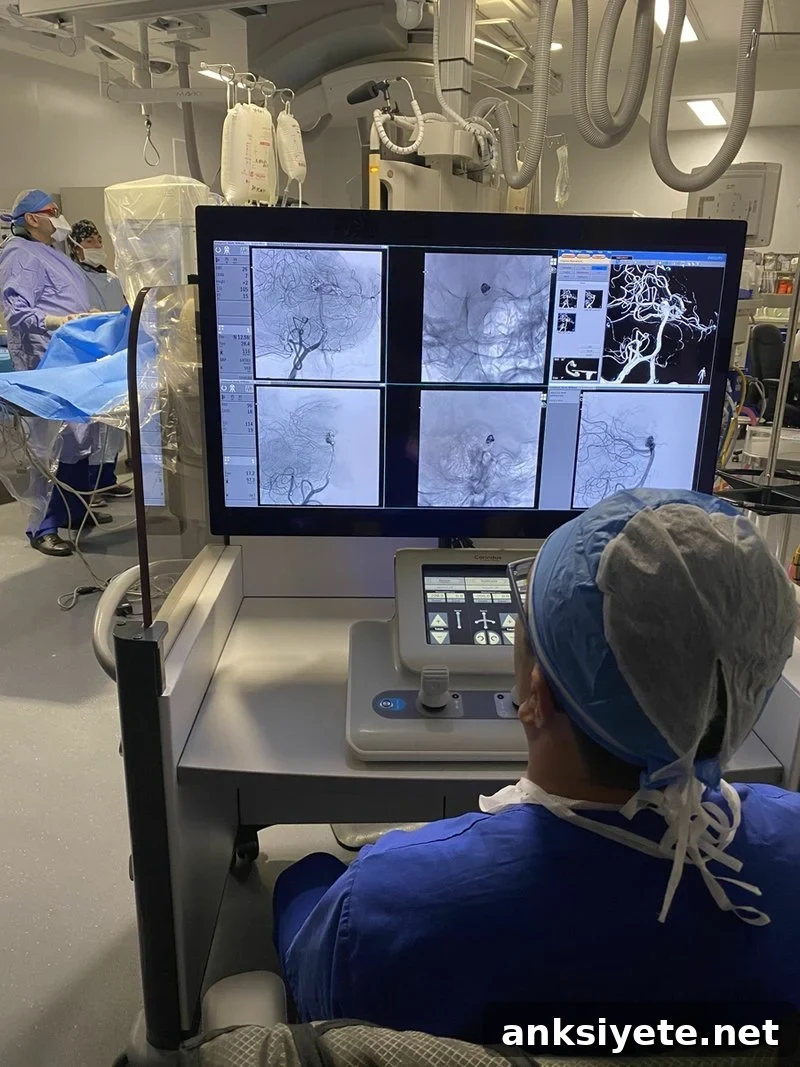
Summary: Physicians have demonstrated that a robot can be used to treat brain aneurysms. The adapted robotic platform enabled precise placement of stents, coils and other endovascular devices inside the brain and points toward the possibility of remote neurovascular surgery in the future. Source: American Heart Association Using a robot to treat brain aneurysms is … Read more

Gut Fungus Alters the Brain’s Alcohol Reward Pathway

featured 113412

Summary: A new study from Tufts University indicates that overgrowth of the common gut fungus Candida albicans can change the brain’s dopamine reward circuitry and influence alcohol-related behavior. The researchers report that expanding fungal populations increase levels of the inflammatory molecule prostaglandin E2 (PGE2), which can reach the brain and alter dopamine signaling in the … Read more

How Big Data Reveals Simple Patterns in the Brain

featured 15818

Advances in neural recording now allow scientists to monitor the activity of hundreds of neurons at once, and continuing technological progress promises to increase that number dramatically. But collecting large-scale neural data alone does not automatically reveal how the brain produces behavior, cognition, or perception. In a recent review published in Nature Neuroscience, Byron M. … Read more

High School Football Head Impacts Linked to Brain Changes

featured 36745

Summary: After a single season of high school football, advanced brain imaging shows measurable changes in both gray and white matter that correlate with head impact exposure, according to a new study. Source: RSNA New brain imaging exams on high school football players reveal structural and functional changes after just one season that correlate with … Read more

Frequent Peanut Consumption Linked to Increased Cancer Spread

featured 76449

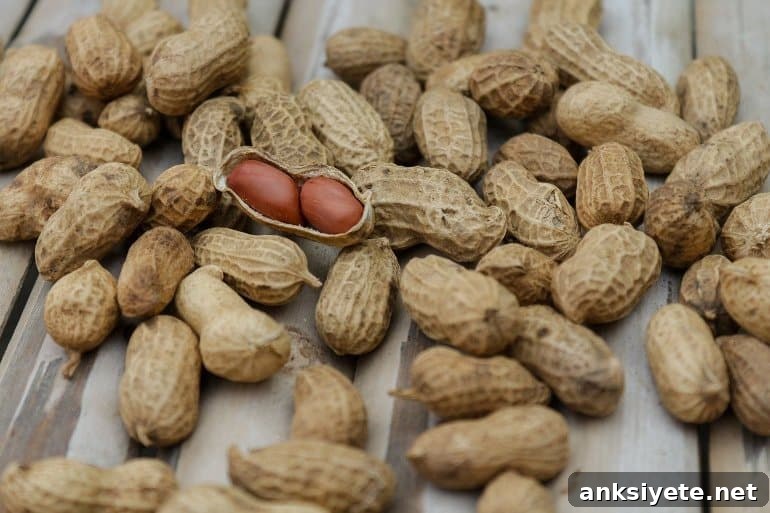
Summary: New research indicates that frequent peanut consumption by people with cancer could raise the risk of their tumours spreading. The study shows that peanut agglutinin (PNA), a carbohydrate-binding protein released into the bloodstream after eating peanuts, triggers blood vessel cells to secrete cytokines linked to metastasis. Source: University of Liverpool Researchers at the University … Read more

How the Visual System Prevents Sensory Overload

featured 71155

Summary: New evidence challenges the idea that the visual system classifies objects using only simple, single features. Source: HSE Researchers at HSE University in Russia tested whether the human visual system can automatically sort intermixed objects into categories without focused attention. Their straightforward experiment, combined with electroencephalography (EEG) measurements, supports the view that the visual … Read more