Gene Mutation Slows Neurons, Impairing Brain Function
featured 74292

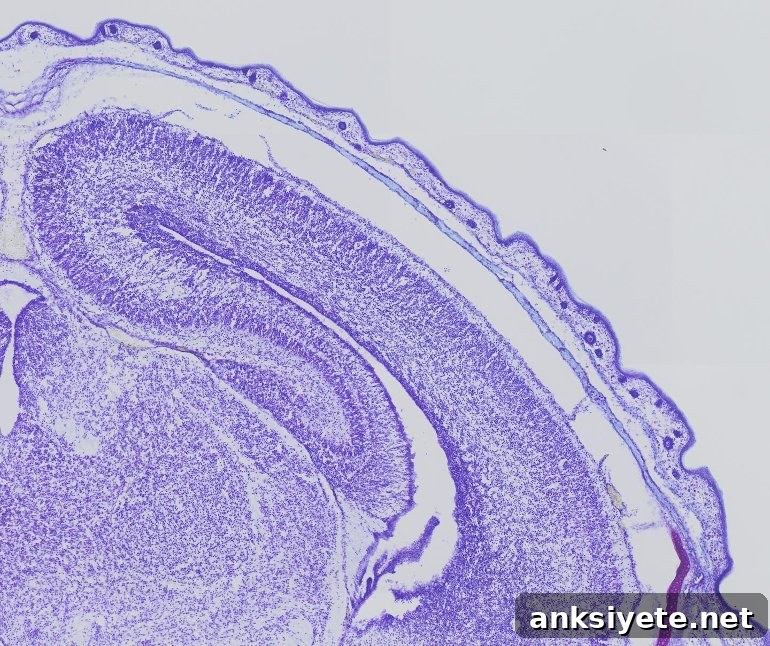
Summary: New study uncovers how the autism-associated gene Cullin 3 (Cul3) influences early brain development and neuronal migration in mouse models. Source: IST Austria Autism spectrum disorder (ASD) affects millions across Europe and worldwide. Symptoms range from mild challenges in social interaction to severe disabilities, but most forms share difficulties in communication, social behavior, and … Read more

Study: Bisexual People Up to Six Times More Likely to Self-Harm

featured 67326

Summary: A meta-analysis and narrative review finds that bisexual people are substantially more likely to engage in non-suicidal self-injury (NSSI) than people of other sexual orientations. Symptoms of anxiety and depression, plus negative experiences such as bullying and physical assault, appear to contribute to this elevated risk. Source: University of Manchester New research from the … Read more

AI Speech Analysis Identifies Psychosis Risk

featured 22961

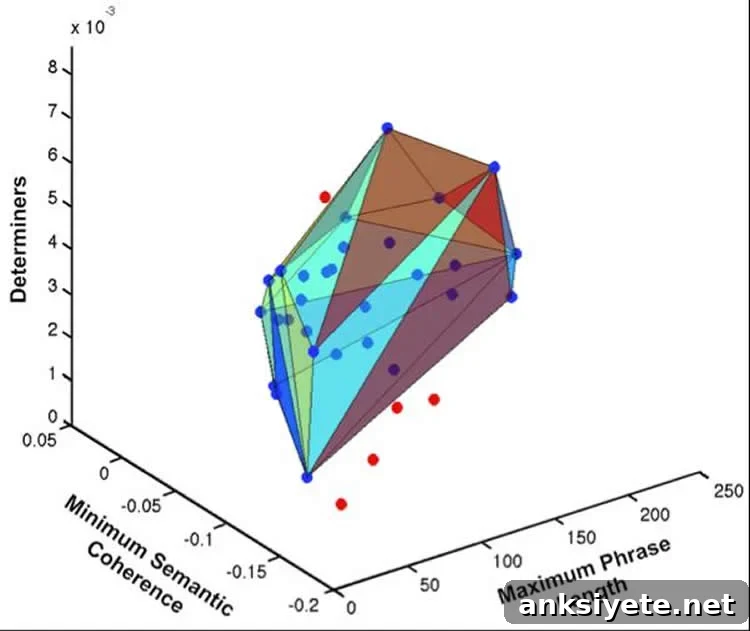
An automated speech-analysis program successfully distinguished between young people at clinical high risk who later developed psychosis and those who did not over a two-and-a-half year follow-up. In a proof-of-principle study conducted by researchers at Columbia University Medical Center, the New York State Psychiatric Institute, and the IBM T. J. Watson Research Center, computerized analysis … Read more

How Mice Brains Reorganize Memories as New Ones Form

featured 71589

Summary: Researchers have mapped how existing memory structures in the hippocampus are reorganized as new experiences are encoded, revealing how the brain integrates new memories without erasing older ones. Source: Imperial College London Researchers from the University of Oxford and Imperial College London have charted how the structure of stored memories is reshaped as new … Read more

Why Some People See Tuesday as Red (Synesthesia Explained)

featured 34127

When I told my doctor that the sight of a starfish tastes like copper, she sat across from me in stunned silence, as if waiting for a punchline. “I’m serious,” I said, half-laughing. “It tastes like a penny in my mouth.” For as long as I can remember, my senses have overlapped in unexpected ways. … Read more

Brain Scans Detect Lies More Accurately Than Polygraphs

featured 35596

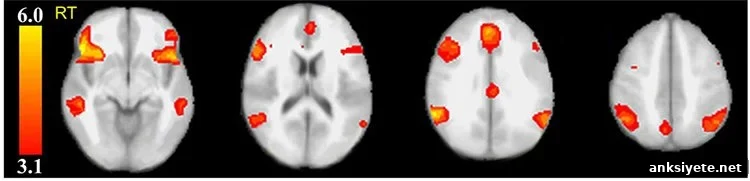
Summary: A new controlled study finds that functional magnetic resonance imaging (fMRI) detects deception more reliably than the traditional polygraph. Source: University of Pennsylvania fMRI Outperforms Polygraph in First Controlled Comparison of the Two Methods Researchers at the Perelman School of Medicine, University of Pennsylvania, report new evidence that brain imaging with fMRI can be … Read more

Study Finds Multiple Sclerosis More Common in African Americans

featured 9528

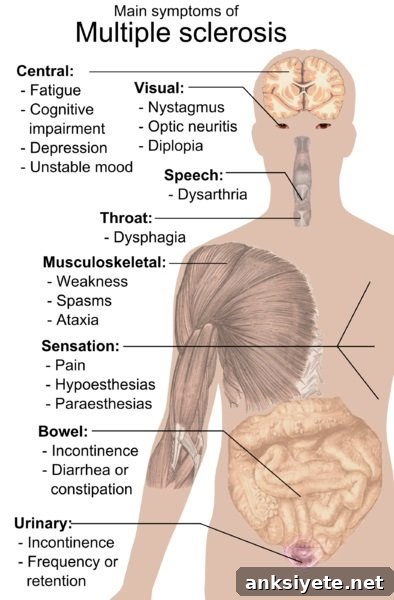
New population-based research indicates African-Americans may face a higher risk of developing multiple sclerosis (MS) than Caucasians, challenging long-held assumptions. Overview of the study A study published in the May 7, 2013 print issue of the journal Neurology examined MS incidence across a large, diverse health plan population and found notable differences in risk by … Read more

PTSD and Alcohol Misuse: Symptoms Differ Between Men and Women

featured 68990

Summary: Male and female rodents show different behavioral and brain changes associated with both PTSD and alcohol use disorder. After trauma, males display increased GABA receptor function while females show elevated GABA release. Source: Scripps Research Institute Researchers at Scripps Research have conducted careful, sex-aware experiments that reveal specific brain changes that may drive alcohol … Read more

Why Uncertainty Causes More Stress Than Inevitable Pain

featured 29655

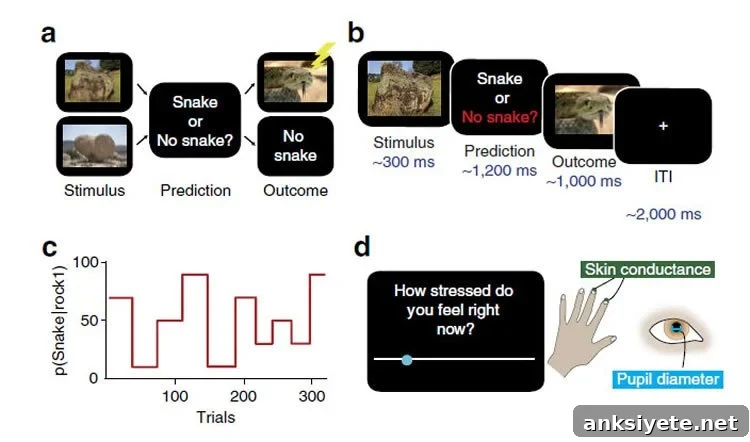
A new UCL study funded by the Medical Research Council (MRC) shows that the possibility of receiving a painful electric shock causes more stress than knowing you definitely will or will not be shocked. Published in Nature Communications, the study demonstrates that uncertainty itself—rather than the presence or absence of threat—drives acute stress. Participants experienced … Read more

In Vitro Biological Neural Networks Driving Robot Intelligence

featured 91366

Summary: In vitro biological neural networks (BNNs) embodied in robots demonstrate diverse intelligent behaviors, including supervised and unsupervised learning, memory formation, object tracking, obstacle avoidance, and even the ability to learn simple games. Source: Beijing Institute of Technology Press Co., Ltd A review by researchers at the Beijing Institute of Technology synthesizes recent advances and … Read more