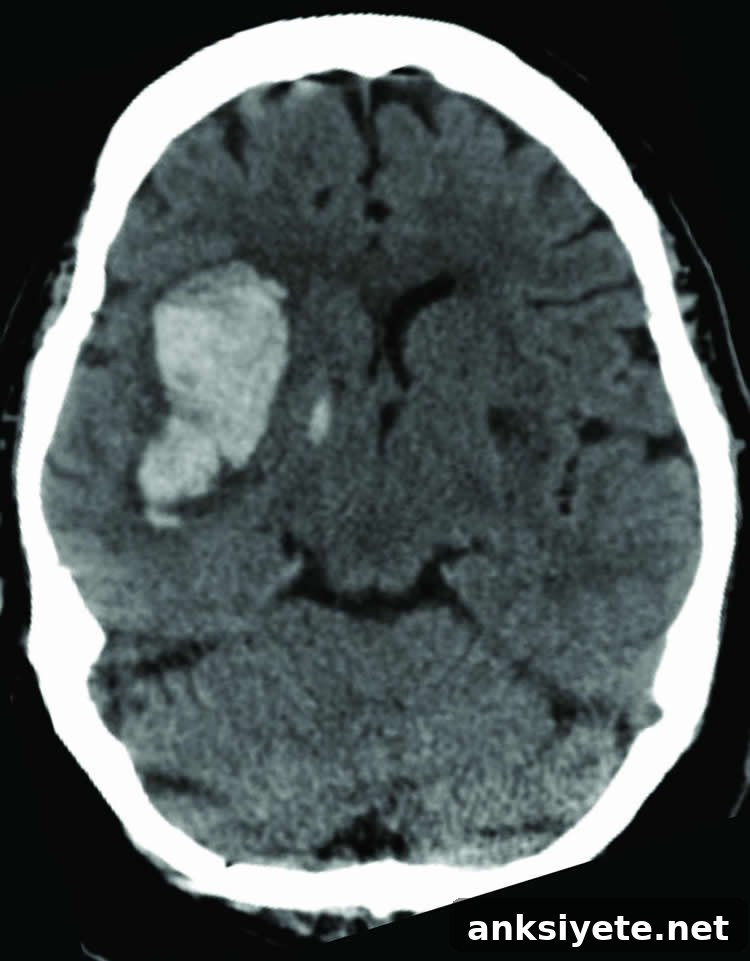
Summary: Researchers report that both standard and intensive blood pressure targets are similarly effective in the emergency management of acute intracerebral hemorrhage.
Source: NIH/NINDS.
NIH-funded study helps answer a decades-old question about emergency blood pressure management.
An international, NIH-funded stroke trial found that rapidly reducing systolic blood pressure to a standard target used in acute stroke care (140–179 mm Hg) produced outcomes similar to those achieved by lowering blood pressure to a more intensive target (110–139 mm Hg) in patients with acute intracerebral hemorrhage. The results, published in the New England Journal of Medicine and funded by the National Institute of Neurological Disorders and Stroke (NINDS), provide evidence about optimal systolic blood pressure targets during emergency treatment of hemorrhagic stroke.
“For many years clinicians have debated whether aggressive blood pressure lowering is safer and more effective than standard management for intracerebral hemorrhage,” said Adnan I. Qureshi, M.D., professor of Neurology, Neurosurgery and Radiology and principal investigator of the trial. “These findings help clarify emergency treatment choices and support a balanced approach in acute care settings.”
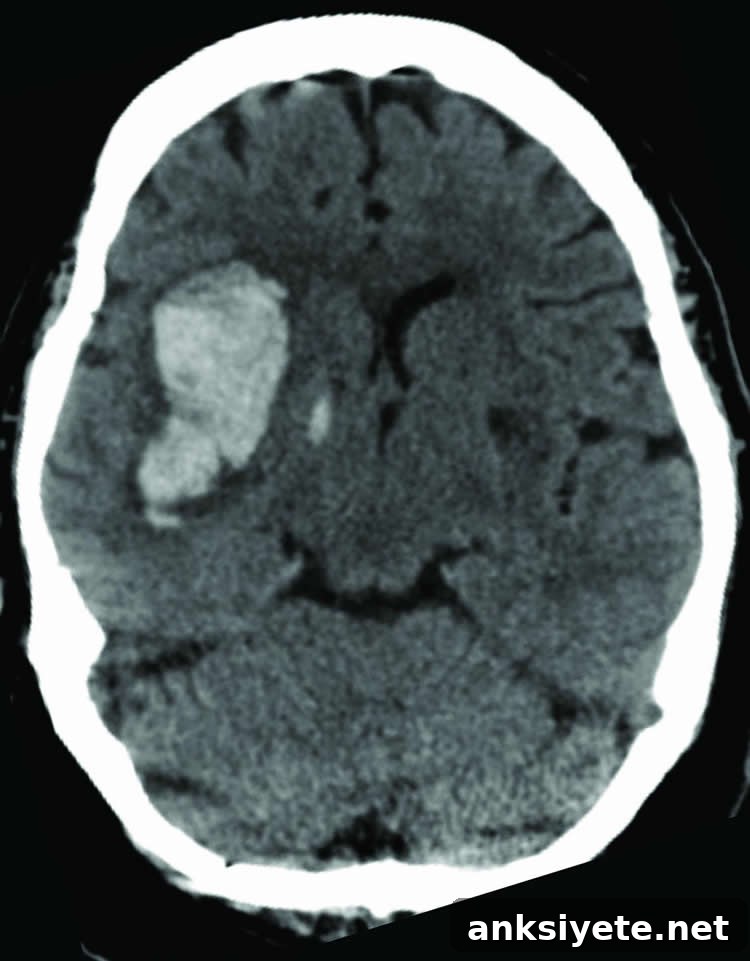
In the United States, more than 795,000 people experience a stroke each year, and roughly 10 percent of those strokes are intracerebral hemorrhages—bleeds within the brain tissue. Chronic hypertension is the leading risk factor for these hemorrhagic strokes. While lowering blood pressure is known to reduce the risk of many types of stroke, there has been limited evidence to define the safest and most effective blood pressure targets during the acute phase of a hemorrhage. Elevated systolic pressure is believed to promote hemorrhage expansion and worsen outcomes, which prompted trials testing whether rapid intensive lowering could reduce hemorrhage growth and improve recovery.
The Antihypertensive Treatment of Acute Cerebral Hemorrhage II (ATACH-2) trial enrolled 1,000 patients who presented with intracerebral hemorrhage and elevated systolic blood pressure. Participants, with an average age of 62 years, were treated within 4.5 hours of stroke onset at hospitals across the United States, Japan, Taiwan, China, South Korea and Germany. At entry, the mean baseline systolic blood pressure was 200.6 mm Hg. Blood pressure was lowered using intravenous nicardipine, a commonly used antihypertensive agent in emergency settings.
Participants were randomized to one of two target ranges: an intensive systolic target of 110–139 mm Hg or a standard target of 140–179 mm Hg. The study team emphasized that both targets remained above typical normal systolic values (generally around 120 mm Hg) and were chosen so emergency clinicians could safely manage patients without risking further brain injury from overly rapid normalization.
Follow-up brain imaging at 24 hours showed no meaningful difference in hemorrhage expansion between the intensive and standard treatment groups. Clinical outcomes measured at 90 days—specifically the combined endpoint of death or severe disability—were similar in both arms, occurring in about 38 percent of patients in each group. While serious adverse events overall were uncommon, the intensive treatment group experienced a modestly higher rate of renal adverse events within the first week after randomization.
Given the absence of superior clinical benefit with intensive lowering and the increase in some adverse events, the trial was stopped after an interim analysis of the first 1,000 participants because further enrollment was unlikely to change the outcome. The investigators noted that the observed 90-day rates of death or severe disability (about 38 percent) were lower than expected from prior studies of intracerebral hemorrhage, where rates near 60 percent have been reported. This difference may be attributed to the trial enrolling a larger proportion of patients with milder initial neurological findings and the consistent, protocolized care these patients received as trial participants.
“The findings suggest that rapid reduction to a standard emergency systolic target is a reasonable approach for many patients with acute intracerebral hemorrhage,” Dr. Qureshi said. “Careful monitoring and standardized management in emergency settings likely contribute to better overall outcomes.”
Funding: The trial was supported by grants from the National Institutes of Health (NS062091, NS071861) and the National Cerebral and Cardiovascular Center (Japan). Intravenous nicardipine for the study was supplied by Chiesi USA Inc. and Astellas Pharma Inc.
Source: Christopher Thomas – NIH/NINDS
Image Source: Image courtesy of Adnan I. Qureshi, M.D., University of Minnesota.
Original Research: Intensive Blood-Pressure Lowering in Patients with Acute Cerebral Hemorrhage. New England Journal of Medicine. Published online June 8, 2016.
BACKGROUND
There has been limited evidence to guide the optimal systolic blood-pressure goal when treating the acute hypertensive response after intracerebral hemorrhage.
METHODS
In the ATACH-2 randomized trial, eligible participants with intracerebral hemorrhage and elevated systolic blood pressure were assigned to either an intensive target (110–139 mm Hg) or a standard target (140–179 mm Hg). Blood pressure control was achieved primarily with intravenous nicardipine, and patients were treated within 4.5 hours of symptom onset.
RESULTS
Among 1,000 participants (mean baseline systolic blood pressure 200.6±27.0 mm Hg; mean age 61.9 years; 56.2% Asian), 500 were assigned to intensive treatment and 500 to standard treatment. Enrollment was stopped for futility after a prespecified interim analysis. The primary outcome—death or severe disability at 90 days—occurred in 38.7% of participants in the intensive group and 37.7% in the standard group (adjusted relative risk, 1.04; 95% CI, 0.85 to 1.27). Serious adverse events deemed related to treatment within 72 hours were uncommon in both groups; renal adverse events within seven days were more frequent in the intensive group (9.0% vs. 4.0%, P = 0.002).
CONCLUSIONS
Targeting a systolic blood pressure of 110–139 mm Hg in acute intracerebral hemorrhage did not lower the rate of death or severe disability compared with targeting 140–179 mm Hg. Both safety and efficacy outcomes support the use of standard emergency systolic targets while avoiding excessively rapid normalization.