Scientists Silence Gene Driving Incurable Brain Cancer

featured 12153

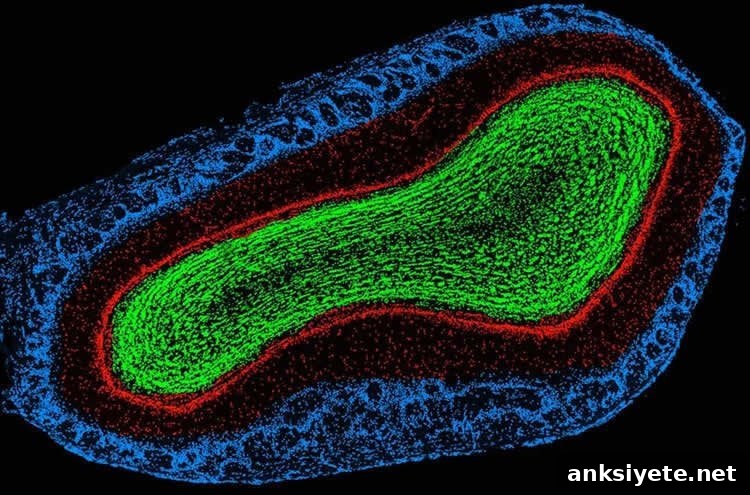
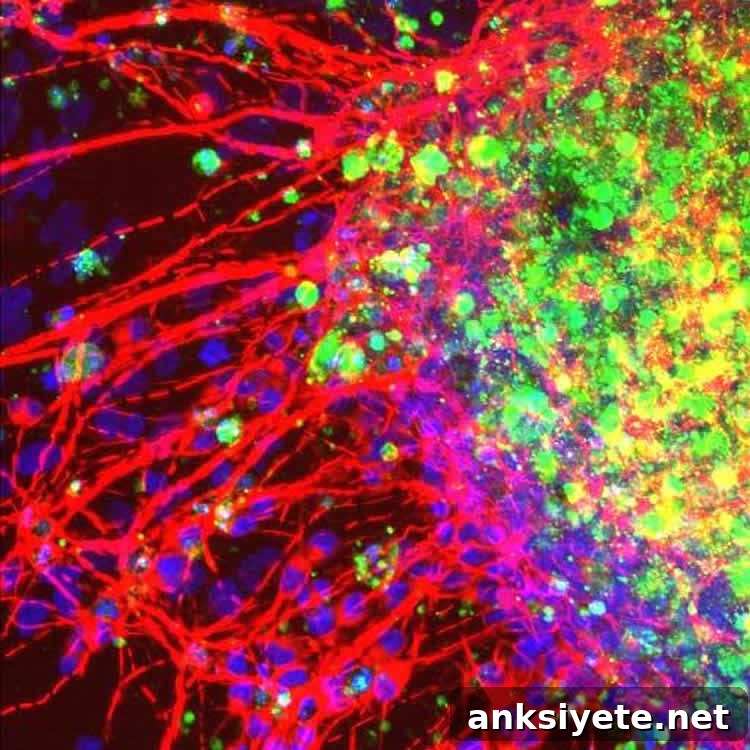
Gene-regulation nanotherapy improves survival in mice with glioblastoma Researchers at Northwestern University have demonstrated a promising gene-regulation therapy that significantly improves survival in mice with glioblastoma multiforme (GBM), an aggressive and currently incurable brain cancer. Using a nanotechnology-based drug designed to silence a cancer-driving gene, the team was able to reduce tumor size and extend … Read more

Study Finds Genetic Link to Teen Binge Eating

featured 21903

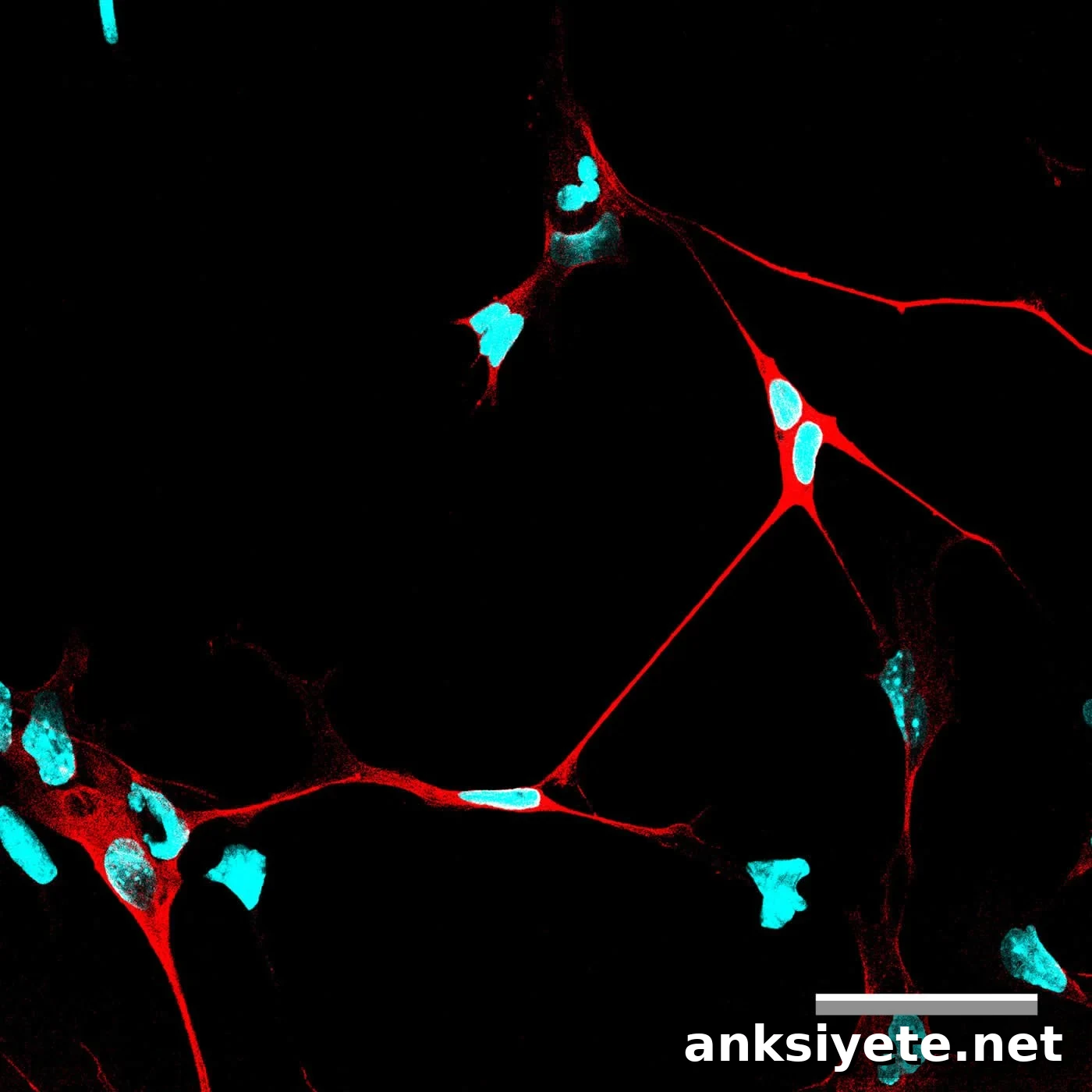
Gene variation in FTO linked to higher risk of binge-eating in teenagers, new study finds Researchers from the University of Queensland’s UQ Diamantina Institute, working with a team at the University College London Institute of Child Health, report that a common genetic variation is associated with an increased likelihood of binge-eating among adolescents. The study … Read more

The Master Switch That Controls Brain Development

featured 25656

NeuroD1 is a key gene that triggers the neuronal development program and can reprogram other cell types into neurons. Researchers at the Institute of Molecular Biology (IMB) at Johannes Gutenberg University Mainz have uncovered a detailed regulatory mechanism explaining how a single transcription factor, NeuroD1, can drive the formation of neurons. Published in The EMBO … Read more

New Study Finds Hidden Brain Structure Drives Addiction

featured 66542

Summary: Researchers identify a critical role for the claustrum in forming context-linked cocaine memories. In mouse models of addiction, suppressing specific claustral neurons prevented behavioral responses to cocaine, while activating them created a context preference even without drug exposure. Source: Hebrew University of Jerusalem Our brains are particularly good at encoding the circumstances surrounding emotionally … Read more

How Smell Works: New Discoveries in Odor Perception

featured 30638

Researchers at the University of Pittsburgh School of Medicine have identified the mechanism behind a long-standing mystery of how the sense of smell organizes receptor expression. In a paper published online in the Proceedings of the National Academy of Sciences, the team reports that a simple physical principle—cooperativity—underlies this surprisingly elegant biological solution. When we … Read more

Zika Targets Neural Cells That Shape the Skull

featured 34766

Summary: A new laboratory study suggests a mechanism by which Zika virus exposure during pregnancy may contribute to microcephaly and craniofacial abnormalities. Source: Cell Press Researchers at Stanford University School of Medicine report that cranial neural crest cells — the embryonic cells that form much of the skull’s bone and cartilage — are susceptible to … Read more

Autistic Children Struggle to Read Faces, Make Similar Errors

featured 39688

Summary: Researchers found that children and adolescents with autism spectrum conditions (ASC) are less accurate at recognizing basic emotions from facial expressions, but they tend to make the same kinds of mistakes as their peers without ASC. Study from the University of Bristol examines how well young people with autism recognize facial emotions Researchers at … Read more

Cocaine Addiction: Brain Rewiring, Not a Choice

featured 115190

Summary: Relapse is not simply a failure of willpower—new research shows it reflects a biological “rewiring” of the brain. A Michigan State University study maps how chronic cocaine use hijacks the circuit connecting the brain’s reward center to its memory hub, revealing a molecular mechanism that sustains compulsive drug seeking. Researchers identified a transcription factor, … Read more

Why Hallucinations Alone Don’t Predict Schizophrenia

featured 24565

Analysis of early psychological symptoms sharpens diagnosis of teens at high risk for a brain disorder that affects millions worldwide. Schizophrenia remains one of the most challenging mental illnesses to detect in its earliest phase — the period when subtle symptoms first appear but full disorder has not yet developed. A new analysis led by … Read more

Study Finds Shared Brain Activity Patterns Predict Behavior

featured 104682

Summary: Researchers have identified stable, recurring patterns of brain activity across 337 healthy adults by simplifying complex fMRI data. These reproducible activity motifs appear across individuals and correlate with cognitive performance, emotion regulation, and substance use, suggesting they could become useful biomarkers for psychiatric conditions and improve our understanding of individual behavioral differences. By reducing … Read more