
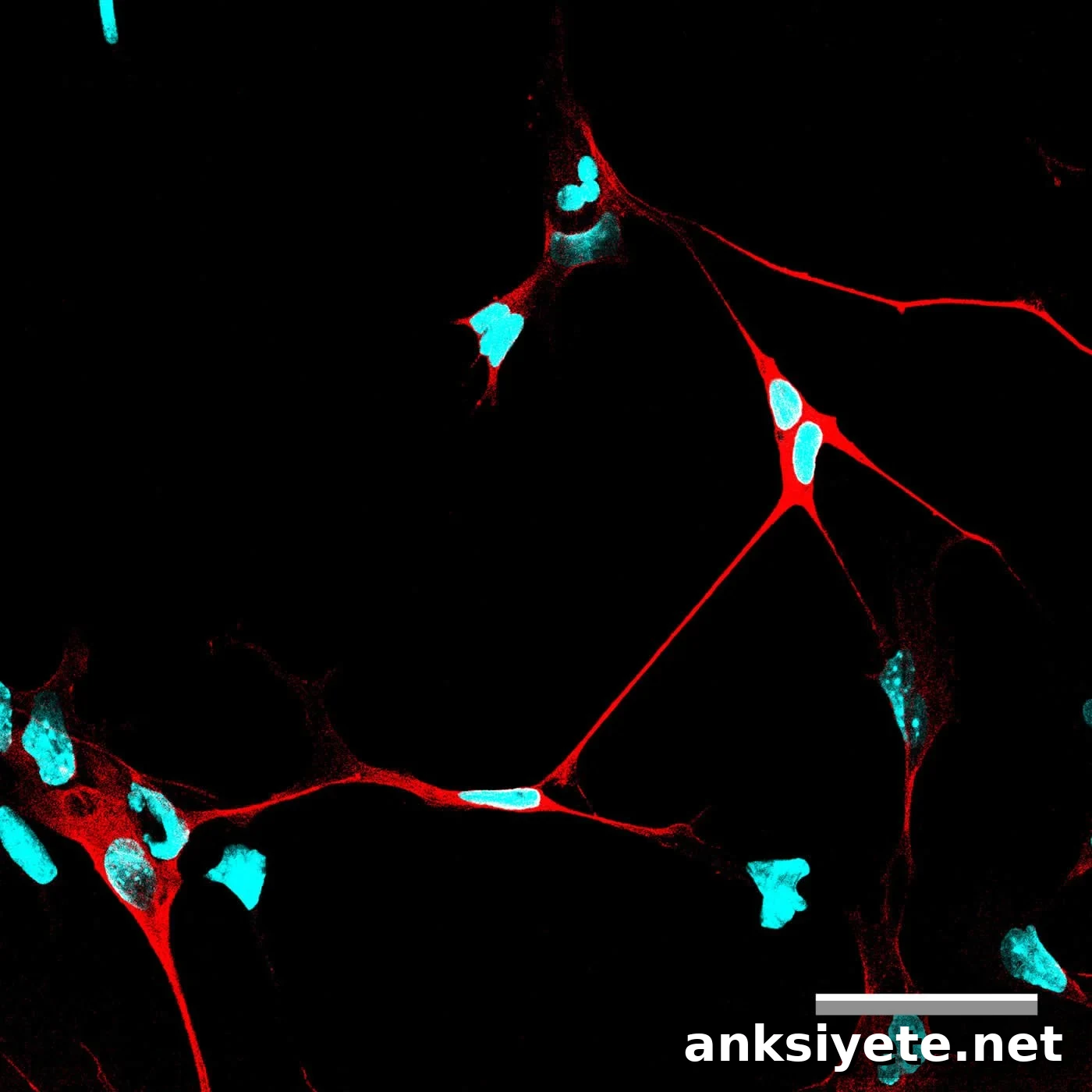
NeuroD1 is a key gene that triggers the neuronal development program and can reprogram other cell types into neurons.
Researchers at the Institute of Molecular Biology (IMB) at Johannes Gutenberg University Mainz have uncovered a detailed regulatory mechanism explaining how a single transcription factor, NeuroD1, can drive the formation of neurons. Published in The EMBO Journal, the study clarifies how NeuroD1 initiates neurogenesis, reshapes chromatin, and establishes lasting epigenetic changes that maintain neuronal identity—findings with clear relevance for developmental biology and regenerative medicine.
Neurodegenerative diseases such as Parkinson’s are marked by progressive and often irreversible loss of neurons. Because mature neurons have limited capacity to self-repair, understanding the molecular events that produce neurons during development is a major avenue for exploring therapeutic strategies. The brain’s developmental program depends on tightly controlled gene regulatory networks and epigenetic mechanisms, many aspects of which remain poorly understood. The Mainz team focused on NeuroD1 as a central factor that marks the onset of neuronal differentiation and can convert other cell types into neurons.
Using a combination of neurobiology, epigenetics, and computational analyses, the researchers showed that NeuroD1 binds directly to regulatory regions of neuronal genes that are kept silent during early development by repressive chromatin. NeuroD1 binding is sufficient to remodel that chromatin landscape: it reprograms the local transcription factor environment, converts heterochromatin to a more open euchromatin state, and increases accessibility at neuronal gene loci. These actions enable robust transcriptional activation of neuronal programs, consistent with NeuroD1 functioning as a pioneer factor that accesses and activates sites within repressive chromatin.
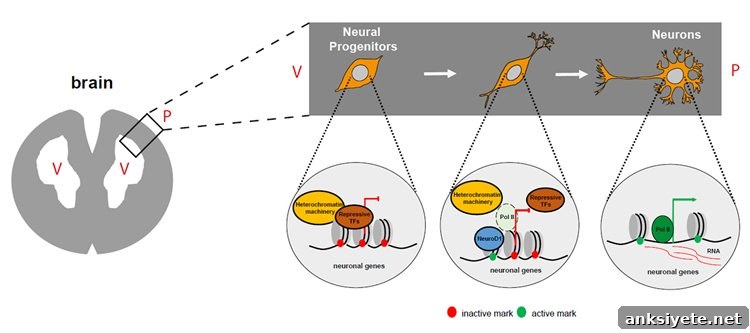
Importantly, the team discovered that the transcriptional activation induced by NeuroD1 persists even after NeuroD1 expression declines. This persistence results from durable epigenetic marks left behind by NeuroD1 activity—an epigenetic memory that stabilizes neuronal gene expression and locks in cell fate. The work also reveals that NeuroD1 activates genes involved in the epithelial-to-mesenchymal transition, a program that supports neuronal migration during development.
Joint first authors Abhijeet Pataskar and Johannes Jung summarized the impact: “Our study demonstrates how a single factor, NeuroD1, reshapes the cell’s epigenetic landscape to establish a gene expression program that drives neuron generation.” Lead investigator Dr. Vijay Tiwari highlights the broader implications: understanding how DNA sequence, epigenetic modifications, and transcription factors interact is a crucial step toward both basic insights into brain formation and the development of regenerative strategies.
Source: Johannes Gutenberg University Mainz
Image credit: Abhijeet Pataskar, Johannes Jung, Vijay Tiwari
Original research: Pataskar A., Jung J., Smialowski P., Noack F., Calegari F., Straub T., Tiwari V.K. “NeuroD1 reprograms chromatin and transcription factor landscapes to induce the neuronal program.” EMBO Journal. Published online October 29, 2015. DOI: 10.15252/embj.201591206
Abstract (condensed)
Cell fate specification during embryonic development depends on transcription factors that appear at specific stages. NeuroD1 is such a factor: it is essential for initiating the neuronal program and can reprogram non-neuronal cells into neurons. The authors demonstrate that NeuroD1 directly binds regulatory elements of neuronal genes that are developmentally silenced by repressive chromatin. NeuroD1 binding initiates a cascade of events that confer transcriptional competence—reorganizing the transcription factor landscape, converting heterochromatin to euchromatin, and increasing chromatin accessibility—supporting its role as a pioneer factor. Once activated, neuronal fate genes remain expressed through an epigenetic memory mechanism despite NeuroD1’s transient expression during neurogenesis. NeuroD1 also induces genes implicated in epithelial-to-mesenchymal transition and neuronal migration. Together, these findings reveal a NeuroD1-dependent regulatory program that coordinates transcription factors and epigenetic mechanisms to drive neurogenesis.
Commentary summary
A companion commentary highlights NeuroD1’s pioneer-factor activity, noting that its ability to bind targets within repressive chromatin and promote a more open, regulatory chromatin state helps explain how distinct transcriptional programs are deployed during development. This capacity to modulate chromatin architecture is central to how cells execute fate decisions and may inform future efforts to harness transcription factors for cellular reprogramming and regenerative therapies.