How the Brain Creates Lasting Memories

featured 24894

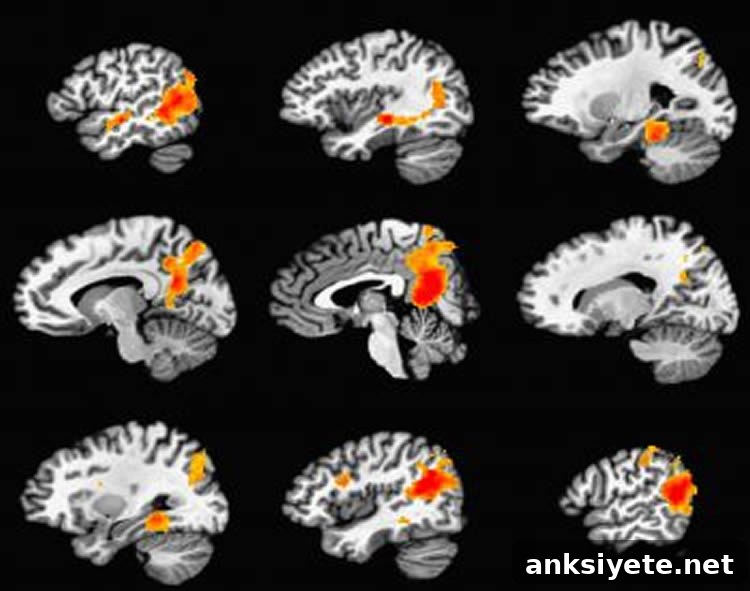
Rehearsing new information immediately after you receive it can be enough to make that information a lasting memory, a study from the University of Sussex suggests. Psychologists discovered that the same brain region that activates when we form a memory also becomes active when we deliberately rehearse that memory. The research, published on 27 October … Read more

How the Brain’s Drive to Find Meaning Shapes Life’s Purpose

featured 51242

Summary: A recent article asks what gives life purpose. Researchers suggest our defining drive is to extract meaning from the world around us. Source: The Conversation. What is the purpose of life? You may have your own answer, but that answer can sometimes feel incomplete. How could a single sentence fully capture why any living … Read more

Gene Signature Predicts Alzheimer’s Years Before Symptoms

featured 23304

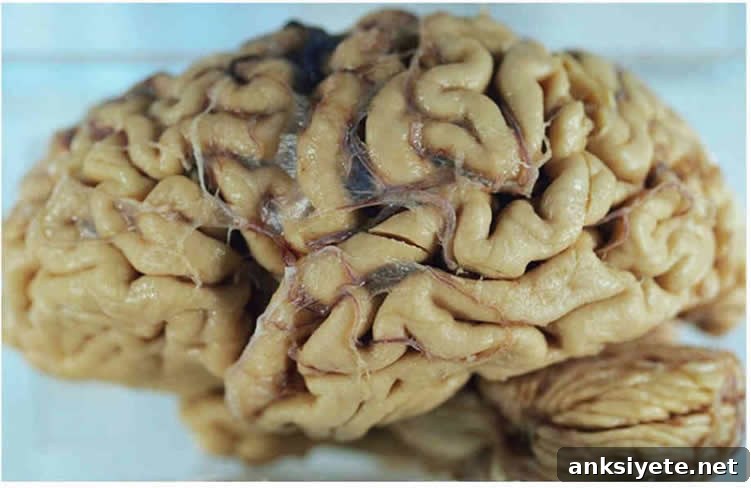
A gene signature that can predict the future onset of age-related diseases, including Alzheimer’s, years in advance has been developed, according to research published in the open access journal Genome Biology. Researchers set out to identify a reproducible molecular profile linked to “healthy ageing” in people around 65 years old. The resulting RNA-based signature aims … Read more

How the Brain Encodes Body Movements

featured 42305

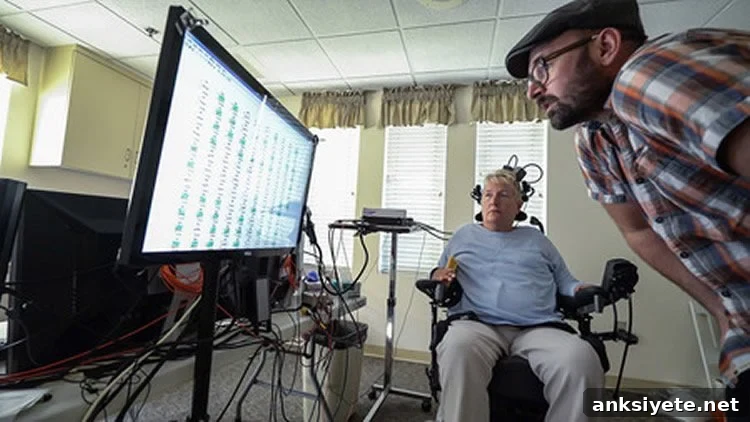
Summary: Researchers reveal how the posterior parietal cortex encodes and organizes information about body movement, with implications for neuroprosthetics and motor rehabilitation. Source: CalTech. A compact group of neurons encodes complex movement information across much of the body. A very small patch of neurons in the brain’s posterior parietal cortex (PPC) can represent movements of … Read more

How Adult Neurogenesis Enables Memory Consolidation During Sleep

featured 65640

Summary: New neurons born in the adult hippocampus are crucial for structural synaptic remodeling and for consolidating memories during REM sleep, according to a recent study in mice. Source: Cell Press Adult neurogenesis — the production of new neurons in the hippocampus of a mature brain — is well established in mice, but how these … Read more

Child’s Brain Protein Mutation Triggers Autism Behaviors in Mice

featured 58312

Summary: Researchers introduced a de novo mutation found in a child with autism into mice. The mutation affects the dopamine transporter (DAT). Mice carrying two copies of the DAT T356M mutation developed social deficits, reduced social dominance and increased hyperactivity, along with impaired striatal dopamine signaling and slower dopamine clearance. Source: UAB A new mouse … Read more

Study Shows Meditation Training Reduces Long-Term Stress in Hair

featured 77938

Summary: Many people report that meditation reduces daily stress. A new randomized clinical trial from the Max Planck Institute provides objective physiological evidence supporting these claims: cortisol levels measured from hair samples fell by about 25% after six months of structured meditation training. Source: Max Planck Institute Mental training designed to strengthen skills such as … Read more

Scientists Map Direct Gut-Brain Neural Pathway

featured 18939

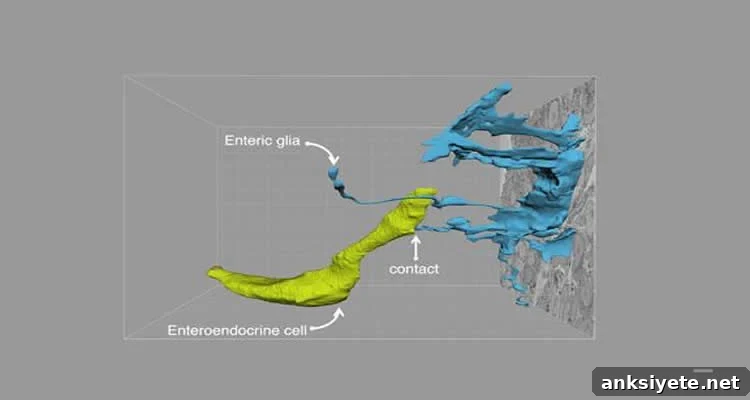
Newly discovered gut-to-brain circuit signals fullness and could offer a route for viruses into the nervous system When you finish a large meal, your stomach and intestinal cells release hormones into the bloodstream to tell your brain that you’re full. Now, researchers at Duke University describe a more direct pathway: a cellular, contact-based communication line … Read more

How Brain Monitoring Advances Will Reshape the Law

featured 85390

Summary: Researchers outline a range of neurotechnology uses—from criminal monitoring and workplace surveillance to metaverse interaction and cognitive enhancement—and discuss the legal, ethical and regulatory challenges these developments raise. Source: University of Sydney Dr Allan McCay, a criminal law scholar at the University of Sydney Law School, has published the first comprehensive overview of neurotechnology … Read more

Genetic Link Between Facial Structure and Brain Shape

featured 73019

Summary: Researchers have identified 76 overlapping genetic locations that influence both human face and brain shape. The genetic signals linking face and brain shape are concentrated in genomic regions that regulate gene activity during embryonic development. Source: KU Leuven An interdisciplinary team led by KU Leuven and Stanford has mapped shared genetic influences on face … Read more