Why fMRI Often Misreads Brain Activity

featured 114394

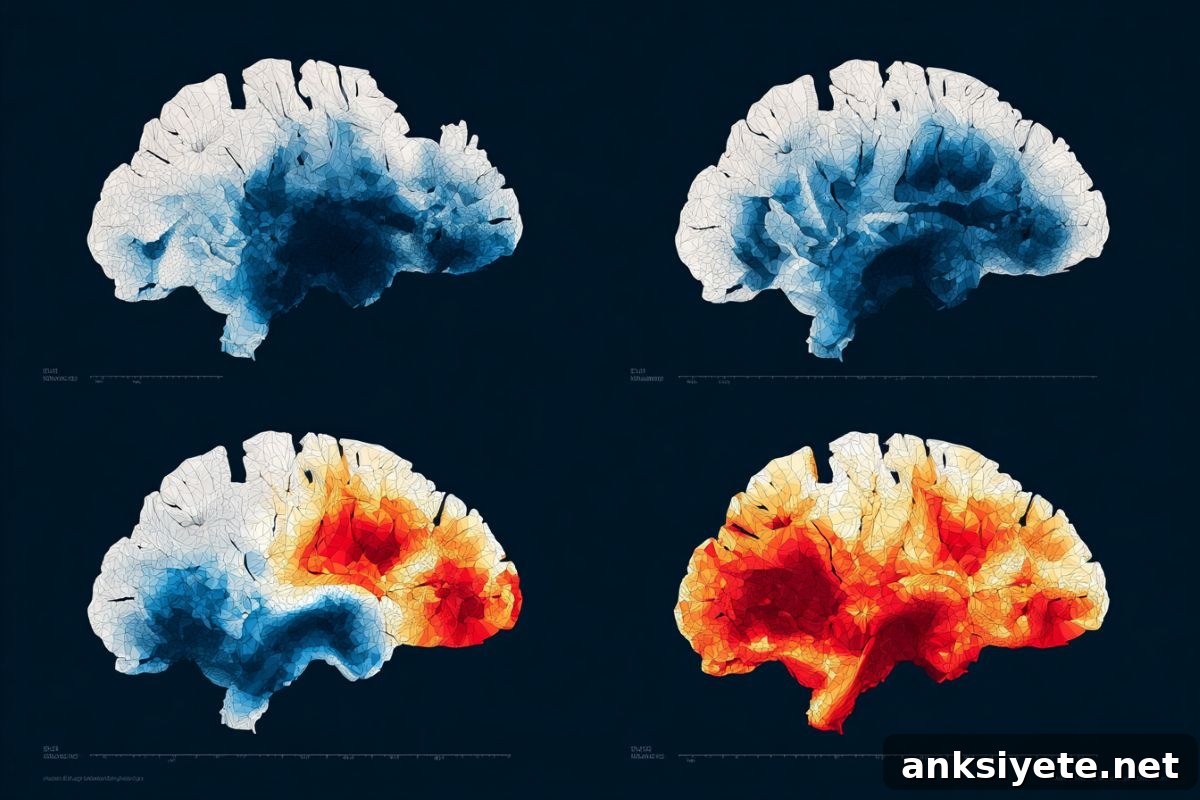
Summary: New research shows that fMRI signals do not always reflect true neural activity, overturning a key assumption used in tens of thousands of studies. In about 40% of cases, areas that showed increased fMRI signal actually had reduced neuronal activity, while decreased signals sometimes appeared where neural activity had risen. By measuring actual oxygen … Read more

How Two Dopamine Neuron Subtypes Encode Odors Differently

featured 114390

Summary: Two closely related types of dopamine-releasing neurons in the olfactory bulb behave very differently because of their physical shape. One subtype lacks an axon and releases neurotransmitters from its dendrites—a rare arrangement that confines signaling to the local region and allows the cell to inhibit its own activity. The other subtype uses conventional axonal … Read more

Why Consciousness Evolved: Origins and Evolution Explained

featured 114385

Summary: New research examines why consciousness evolved and what studying birds reveals about its biological purpose. The work identifies three distinct forms of consciousness—basic arousal, general alertness, and reflexive self-awareness—each providing different adaptive benefits for survival, learning, and social coordination. Pain and pleasure function as early alarm and reinforcement systems that enhance survival by helping … Read more

How Cancer Disrupts the Brain’s Circadian Rhythm

featured 114372

Summary: Breast cancer can quickly disturb the brain’s regulation of day-night stress hormones, even before tumors are detectable. In mice, the disease flattens normal corticosterone cycles by altering the activity of hypothalamic neurons. Those changes can worsen symptoms commonly reported by cancer patients—insomnia, anxiety, and fatigue—and may contribute to poorer outcomes. Remarkably, restoring the brain’s … Read more

Gut Microbes That Mimic Human Proteins May Trigger MS

featured 114362

Summary: New research from the University of Basel shows that gut bacteria whose surface molecules closely resemble the myelin sheath that insulates nerve fibers can confuse the immune system, provoking attacks on both the bacteria and the body’s own nerves and thereby accelerating multiple sclerosis (MS) in mouse models. Conversely, non-inflammatory bacteria engineered with similar … Read more

Balanced Brain Inhibition Is Key to Recognition Memory

featured 114354

Summary: A new study from the University of Nottingham shows that balanced inhibitory signaling in the hippocampus is essential for recognition memory — our ability to remember objects we have recently encountered. Using a rat model, the researchers selectively altered GABA-mediated inhibition in the hippocampus and medial prefrontal cortex to determine each region’s role in … Read more

How Blood Sugar Fluctuations Affect Sleep Quality

featured 114350

Summary: Blood sugar patterns and diet are closely linked to sleep quality in adults. People with diabetes report more sleep disturbances, diagnosed sleep disorders, and irregular sleep duration than those without diabetes; individuals with prediabetes show similar but milder trends. The study also found that strict diabetes control and intense dietary restriction can be associated … Read more

AI Brain Model Reveals How Fear Works in the Human Brain

featured 114346

Summary: Researchers at the University of Hong Kong have created an AI-driven brain model that tracks fear as it unfolds in realistic, naturalistic situations. This approach departs from conventional laboratory methods that rely on static images, better reflecting how fear operates in dynamic, everyday contexts. Using the new model, the team showed that the hormone … Read more

Blood Transfusions Linked to Faster Alzheimer’s Progression

featured 114342

Summary: New experimental evidence indicates that circulating blood factors influence Alzheimer’s disease progression. In a long-term study, mice predisposed to develop Alzheimer’s-like pathology received weekly transfusions of blood from either young or aged donor mice. Blood from older animals accelerated amyloid accumulation and cognitive decline, while young blood showed protective molecular and behavioral effects. The … Read more

Enhancing Sleep Ripples Preserves Forgotten Memories

featured 114338

Summary: Researchers have shown that precisely timed manipulation of brain activity during sleep can preserve memories that would otherwise fade, pointing to a promising route for treating memory loss. The team identified a distinct sleep-related pattern—large sharp-wave ripples—that marks the moments when recent experiences are being transferred from the hippocampus to the neocortex for long-term … Read more