How Myelin Loss Disrupts Sensory Signals in the Brain
featured 114330

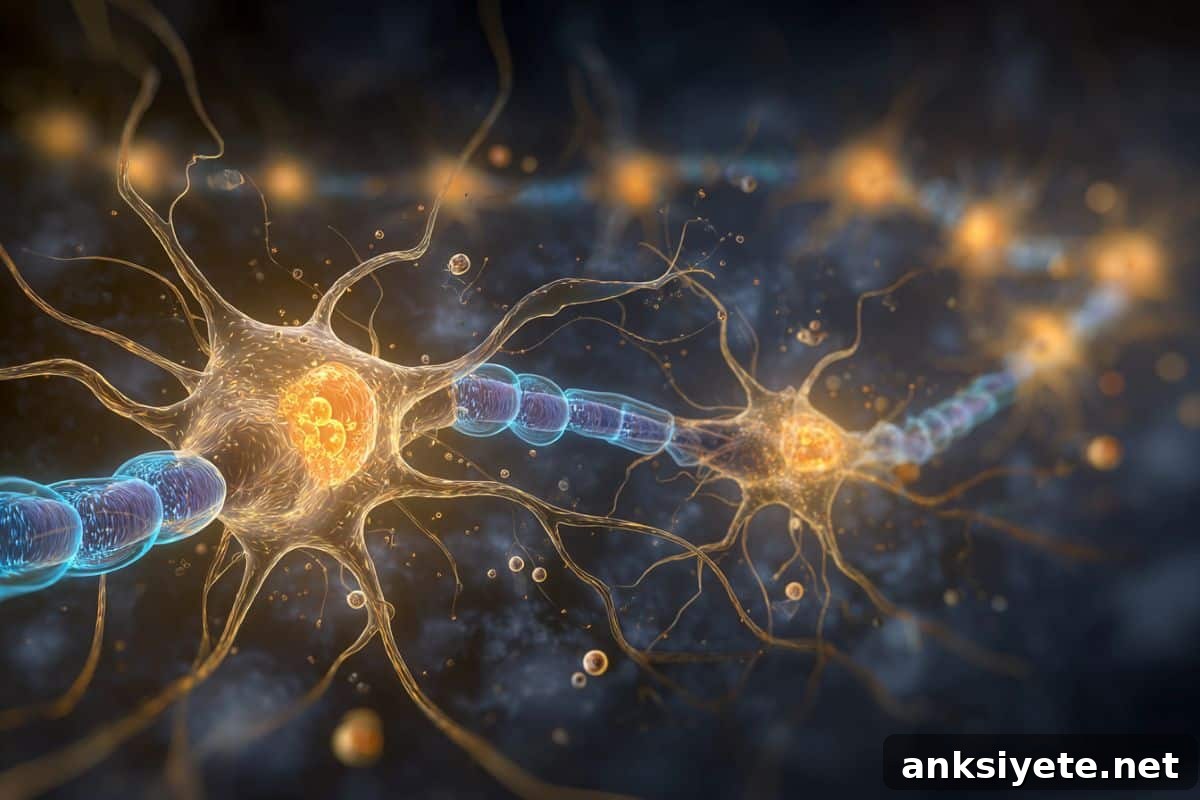
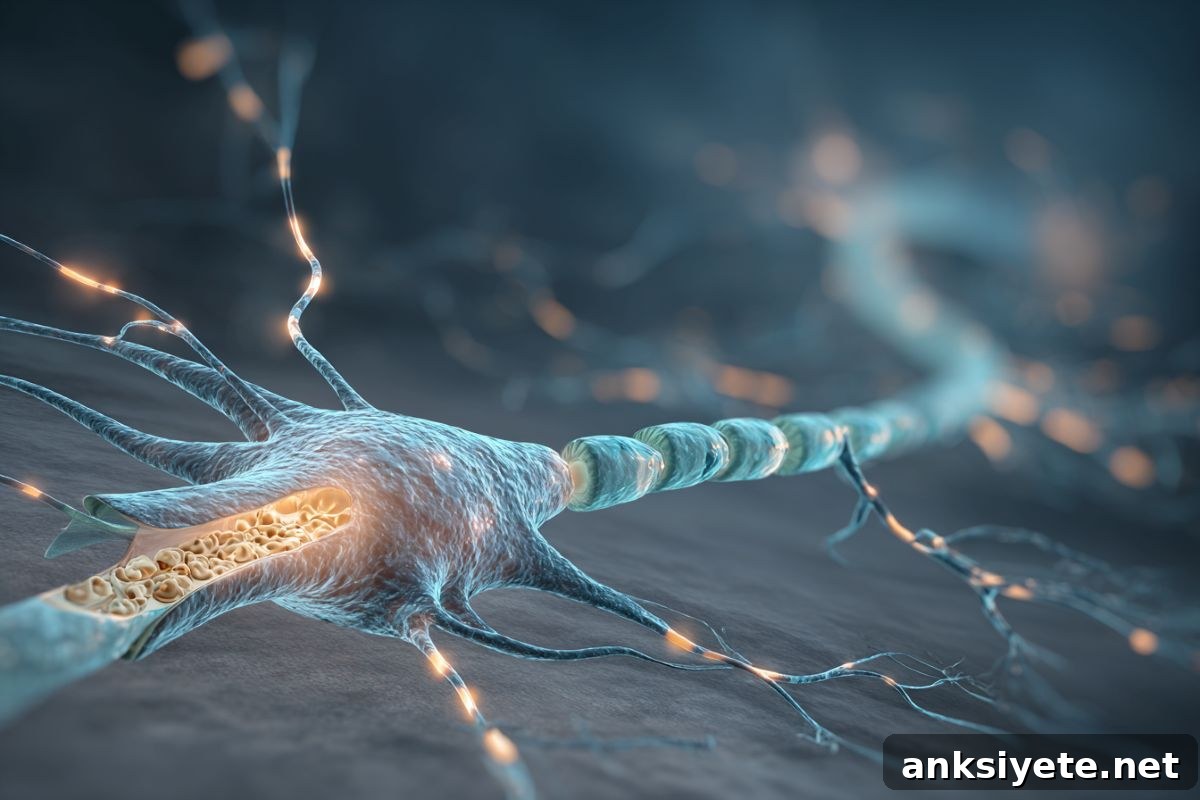
Summary: New research shows that even a small loss of myelin—the insulating sheath that speeds electrical signals along neurons—can seriously disrupt how the brain transmits and decodes sensory information. In mice, targeted degradation of the myelin segment closest to a neuron’s cell body delayed signals and eliminated the initial, critical burst of activity that helps … Read more
Anti-Inflammatory Therapies May Ease Depression Symptoms

featured 114326

Summary: New analysis indicates that anti-inflammatory medications can reduce symptoms in a specific group of people with depression who also have persistent, low-grade inflammation. By reviewing randomized controlled trials that enrolled participants with elevated inflammatory markers, researchers found that anti-inflammatory treatments produced significant reductions in overall depressive symptoms and in anhedonia (reduced ability to experience … Read more

AI Detects Dementia from Routine EEG Scans

featured 114322

Summary: New research demonstrates that deep learning applied to EEG recordings can accurately distinguish Alzheimer’s disease (AD) from frontotemporal dementia (FTD). By evaluating both the timing and frequency components of brain activity, the model revealed distinct signatures: Alzheimer’s produces broader disruptions across multiple regions and frequency bands, while frontotemporal dementia causes more localized changes in … Read more

How Positive Visualization Rewires Your Brain in Seconds

featured 114318

Summary: Vividly imagining a positive interaction with someone can increase how much you like them and even change how your brain encodes information about that person. In a new study, participants developed stronger preferences after imagining rewarding encounters, and brain scans showed activity in reward-learning circuits similar to what occurs during real positive experiences. These … Read more

How Your Brain Decodes Sarcasm, Tone and Hidden Meaning

featured 114314

Summary: A large-scale study of 800 adults finds that pragmatic language skills — the abilities people use to read sarcasm, indirect requests, tone, and nonliteral meaning — organize into three distinct cognitive components. These components draw on social-rule knowledge, general world knowledge, and sensitivity to speech intonation, offering a new framework for studying how people … Read more

Study Finds Many Autism Cases Could Be Prevented

featured 114310

Summary: A University of California San Diego study proposes that autism spectrum disorder (ASD) can arise when three conditions coincide during sensitive developmental windows: an inherited metabolic vulnerability, an early environmental trigger, and prolonged activation of the cell danger response (CDR). This “three-hit” metabolic signaling model reframes ASD as a disorder of disrupted cellular communication … Read more

Why Blink Rate Drops During Effortful Listening

featured 114305

Summary: People blink less when they work harder to understand speech in noisy environments, indicating that blinking closely tracks cognitive effort. Across two experiments, participants’ blink rates consistently decreased during key moments of listening, with the strongest reductions when background noise made speech difficult to process. This blink suppression remained consistent across different lighting conditions, … Read more

AI Bionic Prosthetic Hand Restores Natural, Intuitive Grasp

featured 114301

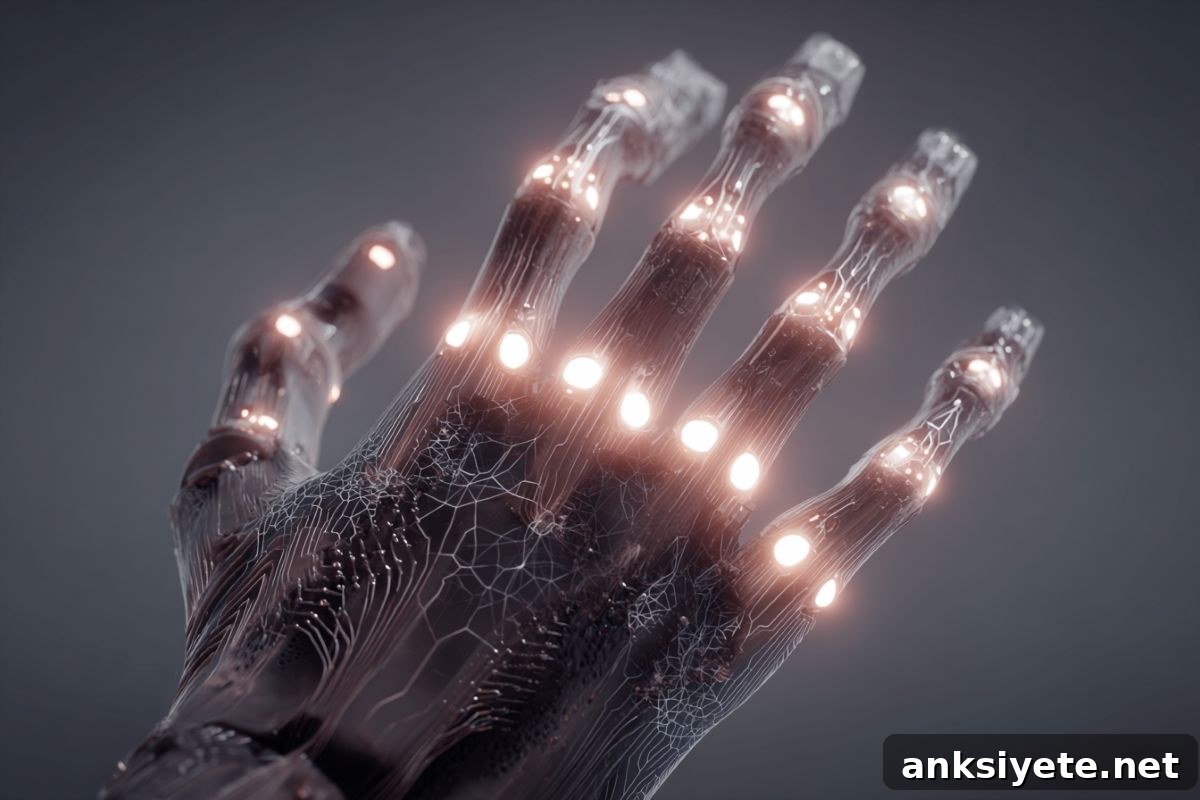
Summary: A new study from the University of Utah demonstrates that combining artificial intelligence with advanced fingertip proximity and pressure sensors enables a commercial bionic hand to grasp objects in a natural, intuitive way. An artificial neural network trained on common grasping postures lets each finger independently “see” an object and move to the correct … Read more

Key Brain Protein Drives Reward Cue Learning

featured 114297

Summary: Changes in the brain protein KCC2 alter how cues become linked to rewards, reshaping the way animals learn which signals predict positive outcomes. Lower KCC2 activity increases coordinated dopamine neuron firing and strengthens new cue–reward connections, offering a mechanistic explanation for the formation of strong, sometimes harmful associations seen in addiction and habitual behaviors. … Read more

How Reading Habits Reveal Implicit Biases About Autism

featured 114293

Summary: A new study from City St George’s, University of London finds that the newspapers people read are a strong predictor of their unconscious attitudes toward autism. Even after accounting for age, education, political views and personal experience, readers of right-leaning tabloid outlets showed stronger negative automatic biases. The research also found that people who … Read more