How Limited Experience Speeds Neural Adaptation
featured 114785

Summary: For more than a century, associative learning has been framed by Pavlov’s model: repetition strengthens the link between a cue and a reward. A recent UCSF study challenges that long-standing idea, showing that the interval between rewards—not sheer repetition—determines how effectively the brain learns. The research demonstrates that the brain’s dopamine system is tuned … Read more
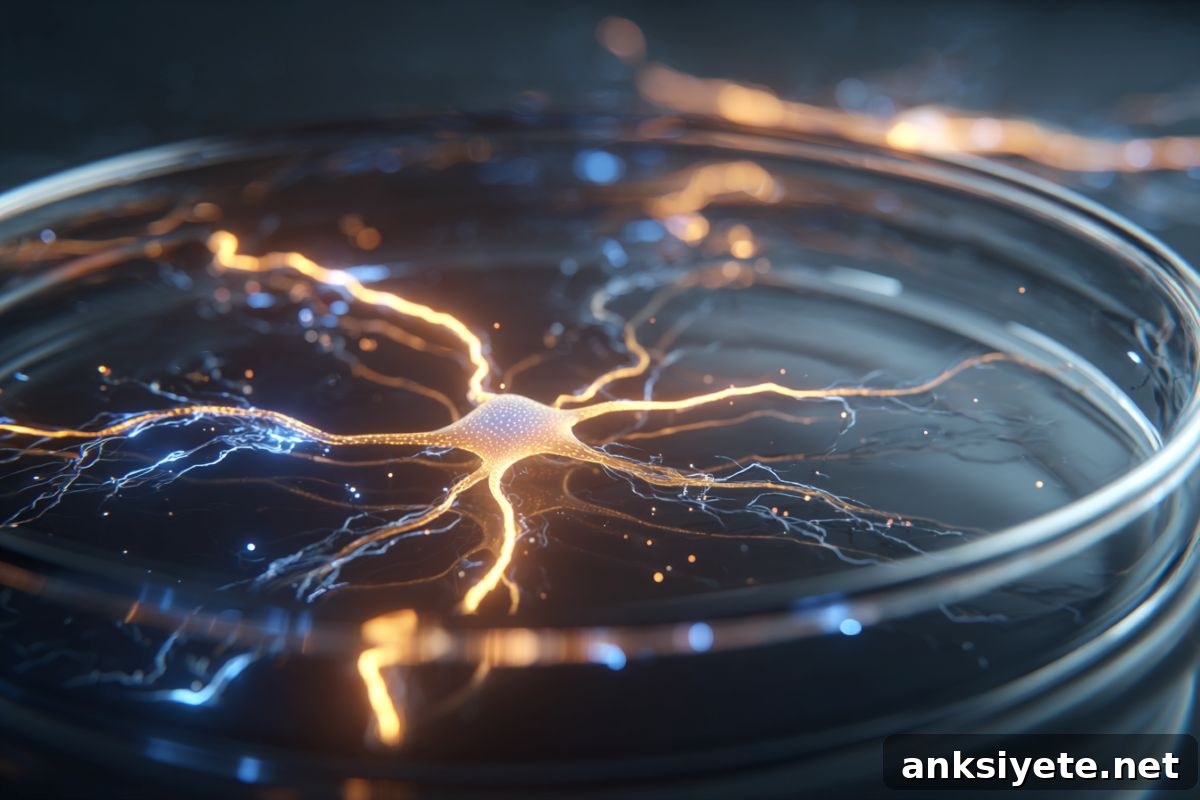

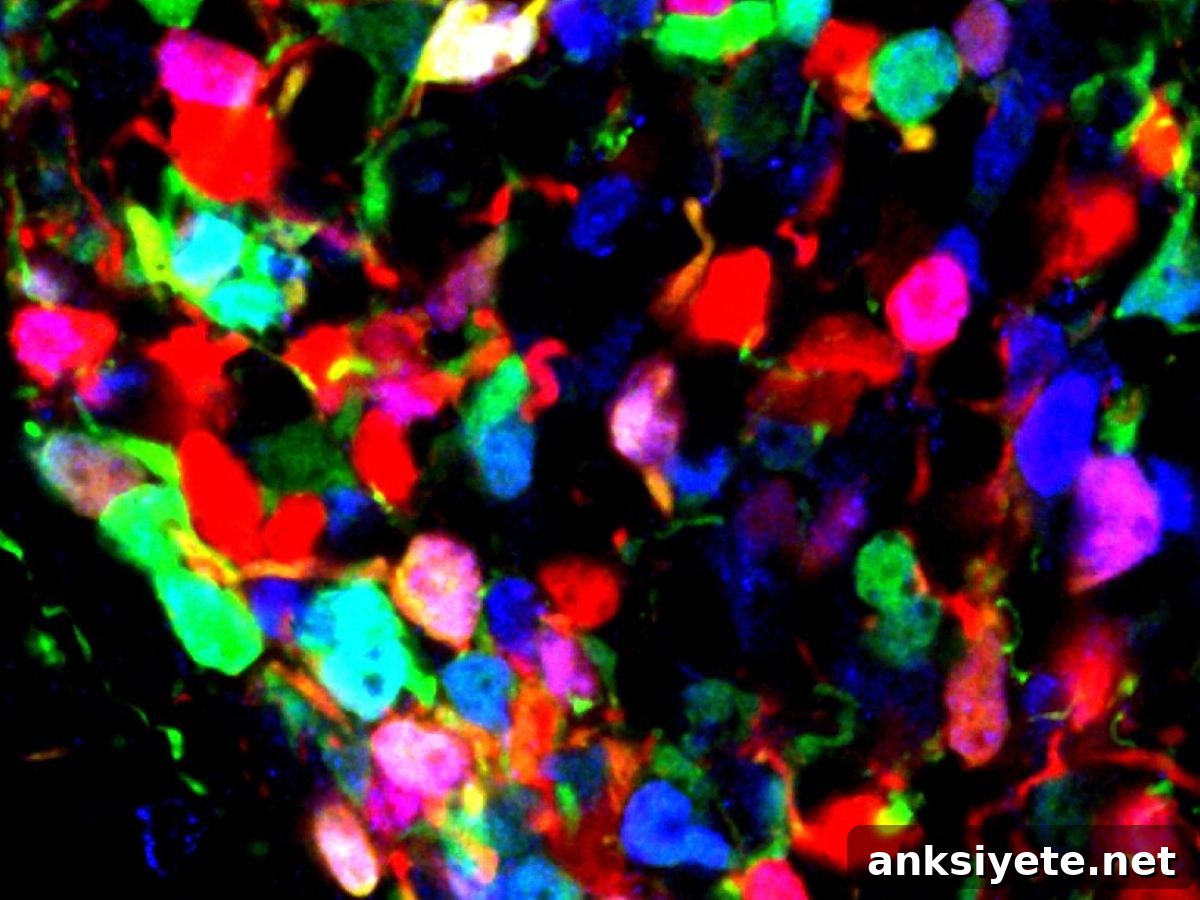
New Human Neuron Networks Reveal How Brain Rhythms Develop

featured 114780

Summary: How do coordinated brain rhythms develop at the cellular level? EEGs reveal large-scale brain waves but cannot show what individual neurons and circuits are doing when rhythms go wrong in conditions such as epilepsy or autism. A new study presents a simple, scalable two-dimensional human neuron platform that connects cellular-level activity with the network … Read more

How to Trigger Musical Chills and Unlock Peak Listening Pleasure

featured 114776

Summary: The sharp, shivery sensation many people feel when a piece of music moves them—the phenomenon called a “musical chill”—is more than an emotional reaction: it is a measurable neural event. Researchers at Keio University have created a Chill Brain‑Music Interface (C‑BMI) that uses compact in‑ear EEG sensors to detect the brain’s pleasure signals in … Read more

How Sleep Protects Brain Mitochondria from Toxic Waste

featured 114767

Summary: Over the past two decades the scientific search to answer “why we sleep” has moved from psychology into the molecular machinery of cells. New findings show sleep functions as a metabolic rescue for neurons. During wakefulness, mitochondria — the cell’s energy factories — power neuronal activity but generate reactive oxygen species, damaging byproducts that … Read more

What Happens When the Brain Cannot Process Grief

featured 114763

Summary: For many people, the sharp pain of losing a loved one gradually eases and becomes a bearable memory. For roughly 5% of bereaved individuals, however, that ache persists. Recognized in 2018 as Prolonged Grief Disorder (PGD), this condition is now being charted by neurobiologists seeking its brain-based signatures. A recent review synthesizes neuroimaging and … Read more

Why Social Competition Turns Caring Dads Into Neglectful Fathers

featured 114759

Summary: Fewer than 5% of mammal species show consistent paternal care. Even within species that do, including humans and some rodents, the degree of caregiving ranges widely. A new study using African striped mice identifies a molecular “switch” in the brain that helps explain why some males are attentive parents while others are neglectful or … Read more

Mother-Child Brainwave Syncing Bridges Language Barriers

featured 114750

Summary: Does speaking a second language create an emotional distance between parent and child? New research suggests the biological basis of bonding—the “brain-to-brain” connection known as neural synchrony—is robust to language change. Using light-based brain imaging, researchers measured brain activity in mothers and their 3- to 4-year-old children while they played together, comparing interactions conducted … Read more

Brain Development Switch May Influence Lifelong Obesity Risk

featured 114746

Summary: Why do some people resist weight gain while others struggle with lifelong obesity? Researchers have identified a developmental “molecular switch” in the hypothalamus that helps explain these differences. The study finds that a transcription factor called Otp guides immature neurons toward either appetite-suppressing or appetite-stimulating identities, shaping lifelong metabolic set points. These precursor cells … Read more

Single DMT Dose Brings Lasting Depression Relief, Study Shows

featured 114742

Summary: A Phase IIa randomized, placebo-controlled trial shows that a single, brief intravenous dose of dimethyltryptamine (DMT) — the main psychoactive compound in ayahuasca — can produce rapid and durable antidepressant effects in people with treatment-resistant major depressive disorder. Unlike psilocybin or LSD sessions that last many hours, the DMT experience in this trial was … Read more

Why the Brain Can Keep Changing Emotionally for Life

featured 114738

Summary: The long-held idea that personality becomes fixed after early adulthood is being reconsidered. New, comprehensive psychological research shows that older adults (ages 60–80) can adopt new social and emotional behaviors as effectively as people in their twenties. After participating in an eight-week socio-emotional intervention focused on stress management and social regulation, older participants experienced … Read more