New Method Generates Human Neural Stem Cells for 3D Brain Models

featured 34211

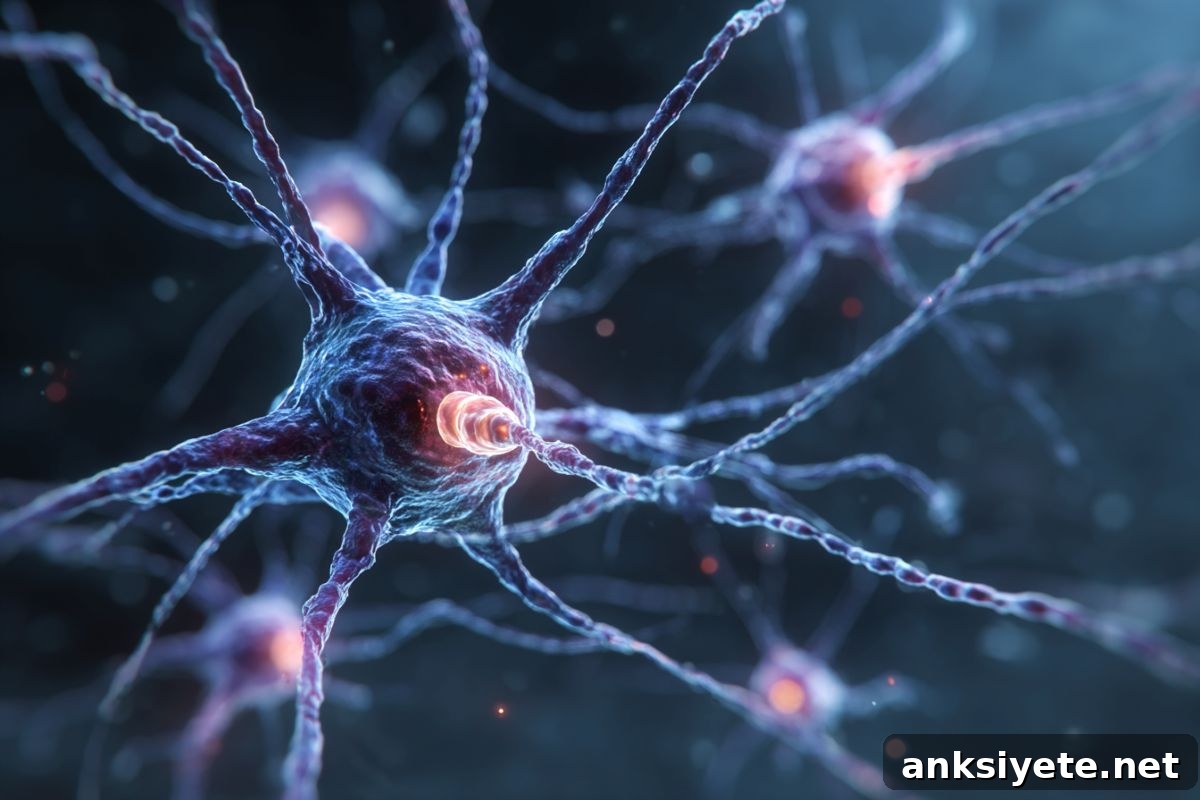
Summary: Researchers at Tufts University have developed a faster method to produce human neural stem cells that differentiate rapidly, improving options for tissue engineering and three-dimensional brain models. Source: Tufts University New process may enable engineering of innervated tissues such as skin, cornea, and functional human brain models. Scientists at Tufts University report a streamlined … Read more

Breakthrough Color Vision System: How It Works

featured 30211

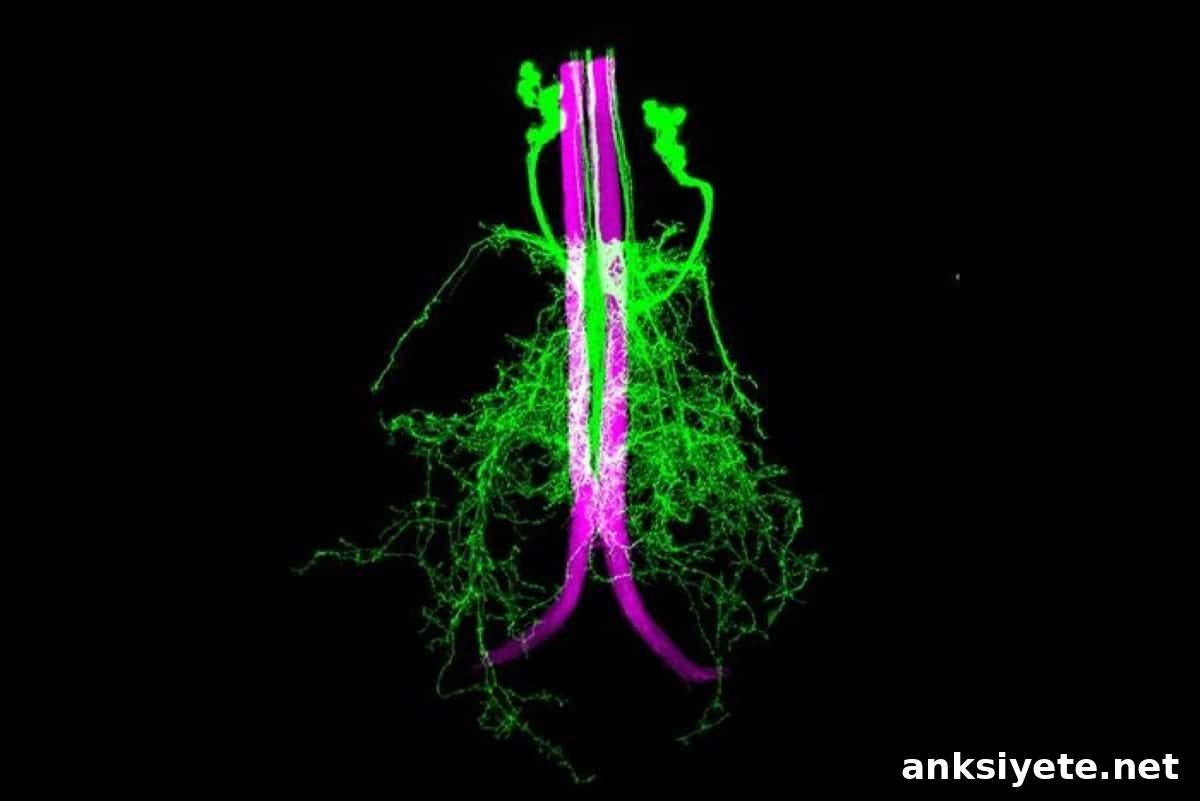
Newly identified color-vision circuitry in mice offers insight into why the night sky can appear bluish in low light. Discovery connects mouse retinal circuits to the “blue” of twilight For more than a century biologists have puzzled over a simple but striking observation: under very dim light the sky often appears to take on a … Read more

Amygdala Discovery Reveals How Emotions and Social Behavior Work

featured 44193

Summary: UCLA researchers report that the amygdala contains far more diverse cell types than previously recognized, and they introduce a method to link specific cell types to behavior. Source: UCLA UCLA researchers have produced the first comprehensive cellular map of the amygdala, a brain region central to emotion and social behavior and implicated in conditions … Read more

How the Now-or-Never Bottleneck Explains Language Acquisition

featured 32130

“Now-or-Never” Bottleneck: How Memory Limits Shape Language Processing and Learning Summary: Fundamental limitations in sensory and cognitive memory play a central role in how language is processed, learned and evolves, according to new research. Source: Cornell University. How does the brain make sense of the constant stream of speech and sign when sensory memory preserves … Read more

Drinking Coffee May Extend Lifespan, New Study Shows

featured 42216

Summary: A large, multiethnic study found that people who drink at least one cup of coffee daily have a lower risk of death from major causes — including heart disease, cancer, stroke, diabetes and respiratory and kidney disease — compared with those who do not drink coffee. The reduced mortality risk was similar for caffeinated … Read more

How Glioblastoma Reprograms the Immune System

featured 34201

Summary: A new study reveals that glioblastoma tumors reprogram microglia, the brain’s resident immune cells, causing them to support tumor growth rather than attack it. Source: Karolinska Institute. Glioblastomas influence microglia—the brain’s immune cells—so that these cells promote cancer growth instead of fighting it. An international research team led by investigators at Sweden’s Karolinska Institutet … Read more

How Delayed Motor Skills Affect Social Development in Children

featured 10516

Motor Skill Delays in Children with Autism Linked to Greater Social and Communication Challenges New research indicates that children with autism who have delayed motor skills — especially object-control skills like catching and throwing — often face more pronounced social and communication difficulties. The study, published in the July issue of Adapted Physical Activity Quarterly, … Read more

Why Hope Matters More Than Happiness for Life’s Meaning

featured 111057

Summary: Hope is more than wishful thinking — it is a distinct emotional experience that reliably supports a sense of meaning in life. A multi-study analysis by researchers at the University of Missouri finds that hope outperforms other positive emotions as the most consistent predictor of perceived life meaning, with implications for psychological well-being. Across … Read more

Antidepressants During Pregnancy: Risks, Effects, and Safety

featured 60949

Summary: Exposure to antidepressants during early pregnancy and the first weeks of life can produce lasting changes in how the brain processes sensory information. Source: SfN Exposure to antidepressants during pregnancy and the neonatal period can alter sensory processing into adulthood, according to a mouse study recently published in eNeuro. Selective serotonin reuptake inhibitors (SSRIs) … Read more

Molecular Mechanisms Linking Aging to Neurodegeneration

featured 50947

Summary: New research uncovers molecular connections between aging and neurodegenerative disease risk. Source: Harvard Medical School Researchers have long sought to understand the causes of neurodegenerative diseases—conditions such as Alzheimer’s, Parkinson’s, amyotrophic lateral sclerosis (ALS), and frontotemporal dementia (FTD) that involve progressive loss of neurons and brain function. While genetics, infections and other factors can … Read more