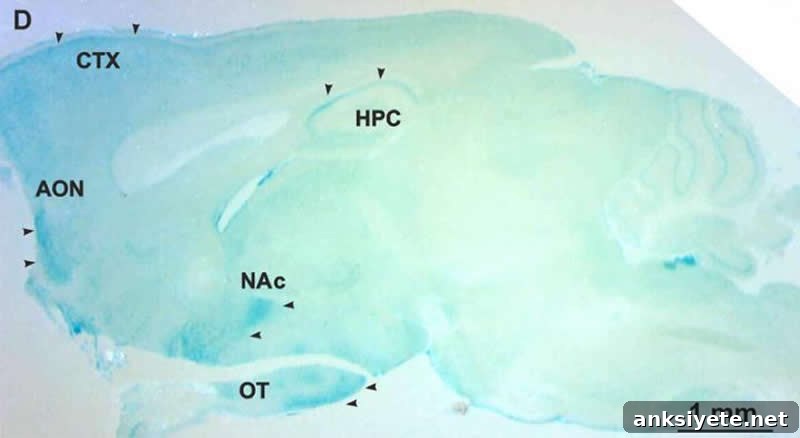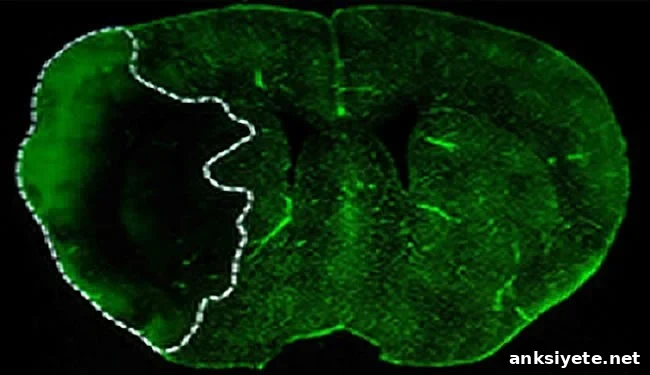
Researcher Develops New Therapies for Comatose TBI Patients
featured 5098

Familiar voices and magnetic stimulation being tested in clinical trials for traumatic brain injury Researchers are testing whether familiar voices and transcranial magnetic stimulation can help patients with disorders of consciousness recover awareness and responsiveness. We have all seen the same scene in television dramas and films: a patient lies unresponsive in a hospital bed … Read more
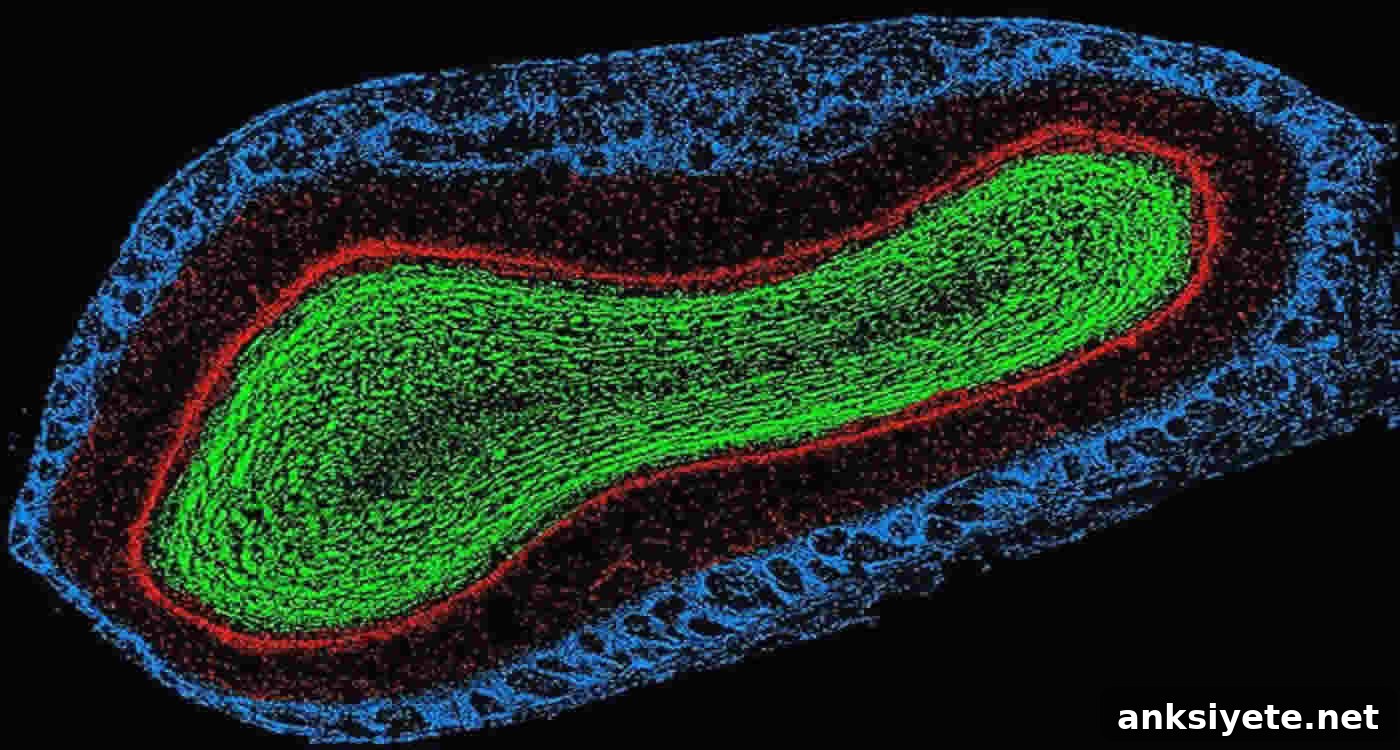
New Study Reveals How Stem Cells Specialize in the Brain

featured 19431

New cells are quick to respond to sensory stimuli and take on a function, says international research team. Adult stem cells retain a remarkable flexibility: they can become many different specialized cell types and, because they are taken from adult organisms, their use does not raise the ethical concerns associated with embryonic sources. This makes … Read more

Virtual Reality for Stroke Rehabilitation Restores Arm Movement

featured 21064

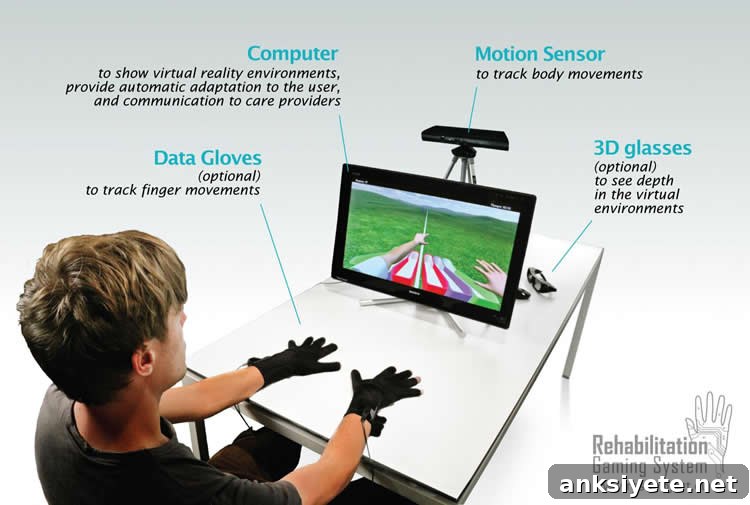
Using virtual reality to boost a stroke patient’s confidence in using a paralyzed arm may be a crucial step in recovery, according to research published in the open-access Journal of NeuroEngineering and Rehabilitation. Virtual reality (VR) shows promise as a tool for arm rehabilitation in some stroke survivors. A clinical pilot study investigated whether visually … Read more

How 4-Year-Olds Pay Kindness Forward

featured 62622

Summary: New research shows that upstream reciprocity — the impulse to “pay it forward” — appears by around four years of age. In experiments, 80% of three-year-olds declined to share, while about 60% of four-year-olds willingly passed along rewards to another child. Source: University of Virginia When do children begin to pay kindness forward? Small … Read more

Scientists Uncover Overlooked Neurotransmitter System in the Brain

featured 62911

Summary: Researchers have discovered a previously unrecognized neurotransmitter pathway in the brain. Signals carrying innate olfactory information reach emotion-related regions through the trace amine-associated receptor TAAR5. These findings point to new directions for treating mood disorders and psychosis by targeting TAAR5 and related receptors. Source: St. Petersburg State University Neurotransmitters are chemical messengers that relay … Read more

Promising Stroke Treatment May Prevent and Reduce Brain Damage

featured 6595

New therapy shows promise in protecting the brain from stroke-related damage Researchers at the University of Missouri report promising results for a new experimental therapy designed to protect the brain after stroke. Published in the journal Molecular Neurodegeneration, the study evaluates a novel compound that targets a specific enzymatic pathway implicated in post-stroke injury. The … Read more

How choral singing boosts quality of life for stroke survivors

featured 23618

Singing in a choir can ease social isolation and lift the mood of stroke survivors with aphasia, according to new research led by the University of the West of England (UWE Bristol) in collaboration with the University of Auckland, New Zealand. Published in the journal Disability and Rehabilitation, the study reports that people living with … Read more

Brain Sync: How Words and Context Shape Communication

featured 103969

Summary: New research shows that brain-to-brain coupling during natural conversation is driven primarily by the context in which words are used, not by raw linguistic features alone. Combining high-resolution electrocorticography recordings from conversational pairs with contextual embeddings extracted from the GPT-2 language model, researchers traced how context-specific word meanings appear in the speaker’s brain before … Read more

Prenatal Brain Fold Patterns May Predict Dementia Risk

featured 82473

Summary: Brain folds formed during late fetal development may influence the age when symptoms of frontotemporal dementia appear. Source: Lund University Frontotemporal dementia typically begins earlier than many other dementias. While its causes remain incompletely understood, new research from Lund University indicates that cortical folding patterns established before birth may affect the age at which … Read more

Murder-Suicide Rates in the US Higher Than Reported

featured 112045

Key Questions Answered Q: How common are murder-suicide events in the U.S.?A: Recent research identifies an average of 820 deaths per year linked to murder-suicide incidents in the United States—substantially higher than many earlier estimates. Q: Who are most often the victims and perpetrators?A: Perpetrators are most often white men, and a majority of homicide … Read more