
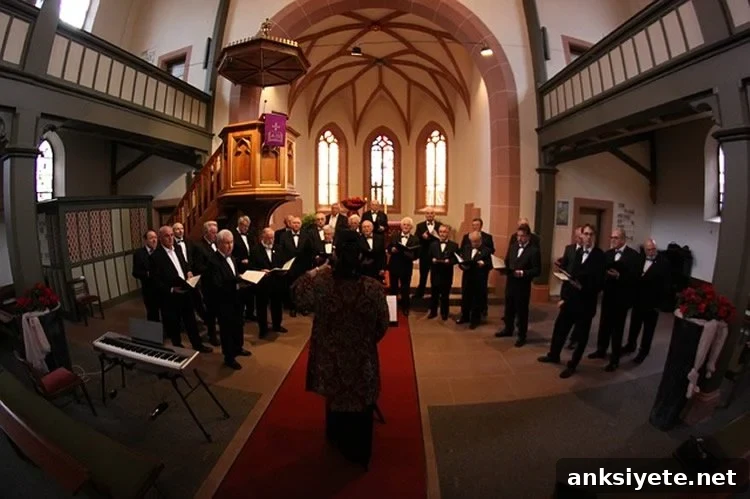
Singing in a choir can ease social isolation and lift the mood of stroke survivors with aphasia, according to new research led by the University of the West of England (UWE Bristol) in collaboration with the University of Auckland, New Zealand.
Published in the journal Disability and Rehabilitation, the study reports that people living with stroke and Parkinson’s disease who took part in choral singing therapy described improvements in mood, breathing, voice, and language ability. Participants also reported that regular group singing helped them manage practical and emotional consequences of their condition—particularly reduced social participation, low mood and communication difficulties.
Building on these findings, lead researcher Laura Fogg-Rogers from UWE Bristol is launching the Bristol Neurological Choir this autumn. The choir will meet at the UWE Glenside Campus and is a free, community-based group run by music therapists, speech and language therapists, and musicians from UWE’s Centre for Performing Arts. The group is designed for people who have communication difficulties following stroke. No prior singing experience is required, and carers and family members are welcome to join.
Laura Fogg-Rogers (Science Communication Unit) explains the rationale: “People with aphasia often retain the ability to sing even when spoken language is impaired. Aphasia affects language processing, but the neural pathways that support singing are often distinct from those that support speech. It is profoundly moving to witness someone who has struggled to communicate suddenly express themselves through song, sometimes after months or years without verbal communication.”
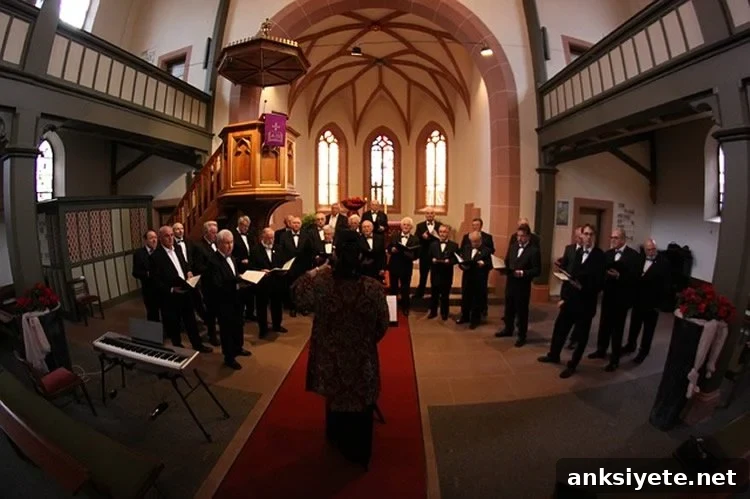
Ian Holmes, Director of the Centre for Performing Arts, commented on the project’s community value: “We are delighted to support this project and to contribute to the wellbeing of people across Bristol. Choir participation brings social connection, creative expression and a sense of belonging. We aim to make the Bristol Neurological Choir a welcoming, restorative and sociable experience for all members, as well as their carers and families.”
Research summary: The study explored the experiences of people with stroke or Parkinson’s disease who took part in community choral singing therapy (CST). Participants included people living with stroke or Parkinson’s disease and their significant others. Researchers used supported communication methods and semi-structured interviews to capture the perspectives of choir members and their families. Thematic analysis revealed that many participants had unmet needs related to mood, communication and social participation. They reported that CST offered a pleasurable group activity and believed it contributed to improvements in mood, breathing, voice and language function. The choir setting also helped reduce feelings of isolation and provided practical strategies to manage the longer-term consequences of their condition.
Who can join: The Bristol Neurological Choir welcomes people who have communication difficulties following stroke, as well as their carers and family members. Sessions are led by qualified music therapists, speech and language therapists and musicians. No previous singing experience is necessary; sessions are designed to be inclusive, accessible and supportive.
Practical benefits reported by participants: Participants commonly described the choir as:
– A social space that reduced isolation and fostered new friendships.
– A source of emotional uplift and improved mood.
– A supportive environment to practise breathing and vocal skills.
– A pathway to regain confidence in communication and expression.
Source and publication details: Research led by UWE Bristol, with collaborators at the University of Auckland. Original research: “Choral singing therapy following stroke or Parkinson’s disease: an exploration of participants’ experiences” by Laura Fogg-Rogers et al., published in Disability and Rehabilitation. Published online August 11, 2015. DOI: 10.3109/09638288.2015.1068875.
Abstract summary
The study examined how choral singing therapy affected people living with stroke or Parkinson’s disease. Communication difficulties affect a substantial portion of people with these neurological conditions, contributing to reduced quality of life. The research found that choral singing was perceived as an enjoyable, social activity that supported mood, voice, breathing and language, and helped participants self-manage social isolation and communication challenges. The findings support the potential role of community singing programs as a valuable, accessible adjunct to clinical therapies for people living with neurological conditions.