Brain Organoids Reveal Personalized Therapy for Rett Syndrome

featured 116246

Summary: Rett syndrome is usually treated as a single disorder caused by defects in the MECP2 gene. New research using patient-derived 3D human brain organoids shows that different MECP2 mutations produce fundamentally different cellular and network-level changes. These differences require distinct, targeted interventions rather than a one-size-fits-all treatment. Researchers grew cortical “minibrains” from cells donated … Read more

Why Children Outpace AI in Language Learning

featured 111139

Summary: Despite the enormous processing power of modern AI, young children still outperform machines when it comes to learning language. A new constructivist framework helps explain why: unlike AI systems that learn mainly from vast amounts of passive text, children learn through multisensory exploration, social interaction, and self-driven curiosity. Children’s language development is active, embodied, … Read more

Researchers Identify New Drug Target for Brain Cancer Treatment

featured 13053

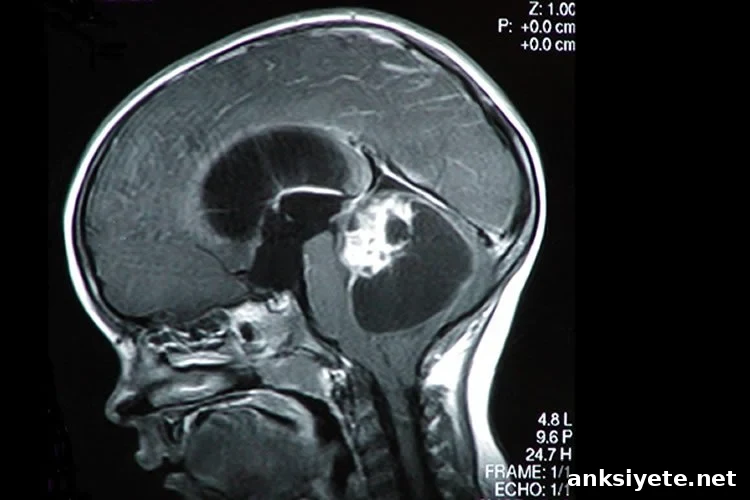
Researchers identify mda-9/syntenin as a promising therapeutic target in glioblastoma A new study offers hope for targeted therapies against glioblastoma multiforme (GBM), the most common and aggressive primary brain tumor. For the first time, investigators have shown that the gene melanoma differentiation associated gene-9, also known as mda-9/syntenin, plays a central role in GBM’s invasive … Read more

Inside the Fly Brain: How Flies Perceive and Decide

featured 26098

New technique could yield knowledge useful to understanding the human brain. Researchers at Northwestern University have developed a novel method that lets them identify which neural connections were active during a specific sensory experience or behavior in the fruit fly. By using engineered fluorescent tags that reveal synaptic activity in distinct colors, the team can … Read more

Why Your Vision Never Goes Dark When You Blink

featured 51503

Summary: Researchers report that the medial prefrontal cortex aligns incoming visual information with recently acquired percepts, helping maintain a stable visual experience even during brief interruptions such as blinks. Source: DPZ. Every five seconds we close our eyes to blink and moisten them. During these fleeting moments, no light reaches the retina, yet our perception … Read more

Transient Hit-and-Run Interaction May Trigger Cell Death

featured 55348

Summary: Two distinct regions on the BAX protein can bind BH3-only proteins, and these binding sites act at separate stages of BAX activation. A transient, “hit-and-run” interaction at one of these regions triggers BAX to relocate to mitochondria, enabling it to later disrupt mitochondrial membranes and drive cell death. Source: Walter and Eliza Hall Institute … Read more

Immune Signal Ratio Could Predict Multiple Sclerosis Progression

featured 114485

Summary: A long-term study has identified a promising biomarker that could indicate which patients are moving toward more severe, progressive forms of multiple sclerosis (MS). Researchers found that an elevated CXCL13-to-BAFF ratio corresponds with compartmentalized inflammation in the leptomeninges — a characteristic feature of progressive MS. This elevated ratio appeared in a newly developed mouse … Read more

Recognizing Shared Humanity Led to More Helping in the Pandemic

featured 72359

Summary: People who act in pro-social ways during the pandemic — for example, wearing masks, donating supplies, or helping those who are ill even at personal cost — are more likely to feel a strong connection to other people across the world. Source: University of Washington New research from the University of Washington finds that … Read more

Shedding Light on Alzheimer’s Disease Causes and Treatments

featured 22947

Using a novel approach that combines laser illumination with lipid-coated silver nanoparticles, researchers captured direct molecular-level snapshots of amyloid‑β as it interacted with a cell‑like membrane. Although the origins of Alzheimer’s disease remain debated, many experts agree that certain forms of the amyloid‑β peptide that can disrupt cell membranes are central to the pathology. Designing … Read more

Emotional Asymmetry Explained: How Emotions Shape Behavior

featured 28748

Although it may not always be the first concern for people living with facial hemiparalysis, the condition can significantly affect social communication: it not only prevents normal facial expression but also reduces the ability to perceive and interpret emotions on others’ faces. A collaborative study involving the International School for Advanced Studies (SISSA) in Trieste, … Read more