
Summary: A new study examines how early-life digestive inflammation may raise stress hormones in the gut and increase the risk of chronic indigestion and anxiety in adulthood.
Source: APS.
Traumatic or inflammatory events early in life can elevate norepinephrine—the primary stress-related neurotransmitter—in nerves that supply the upper abdomen, increasing the likelihood of developing chronic functional dyspepsia and anxiety-like behavior later in life, according to a new study published in the American Journal of Physiology—Gastrointestinal and Liver Physiology.
Functional dyspepsia, commonly described as unexplained indigestion, affects an estimated 25 to 40 percent of adults. Typical symptoms include persistent upper abdominal pain or discomfort, bloating, early satiety (feeling full quickly), and nausea. Because these symptoms often occur without an identifiable structural cause such as an ulcer or visible inflammation, functional dyspepsia can be difficult to diagnose and treat, and many patients experience long-term symptoms.
How functional dyspepsia develops is not fully understood. Large-scale population studies have linked a variety of adverse early-life experiences to a higher risk of functional dyspepsia in adulthood. Those early-life risk factors include psychological stress, physical abuse, and gastrointestinal infections caused by contaminated food or water. People with functional dyspepsia also tend to have higher rates of anxiety, but the causal relationship between digestive symptoms and anxiety remains contested: anxiety may worsen digestive symptoms, be caused by chronic digestive distress, or both.
Researchers at the University of Texas Medical Branch at Galveston previously reported that experimental inflammation in the colon of neonatal rats produced long-term changes that lead to heightened sensitivity in the gut when the animals reached adulthood. That earlier work showed a link between neonatal colon inflammation and elevated levels of norepinephrine, which is produced by sympathetic nerves and released locally to affect nearby tissues. The present study builds on those findings to identify how early colon inflammation increases norepinephrine and whether such changes are associated with increased anxiety-like behavior in adult rats.
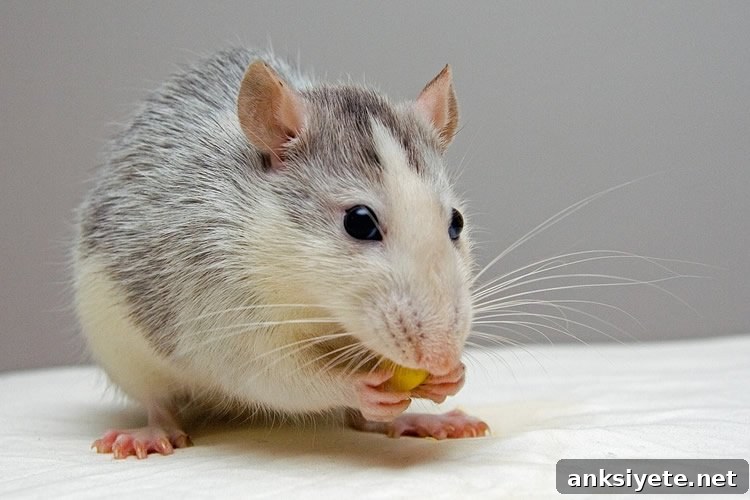
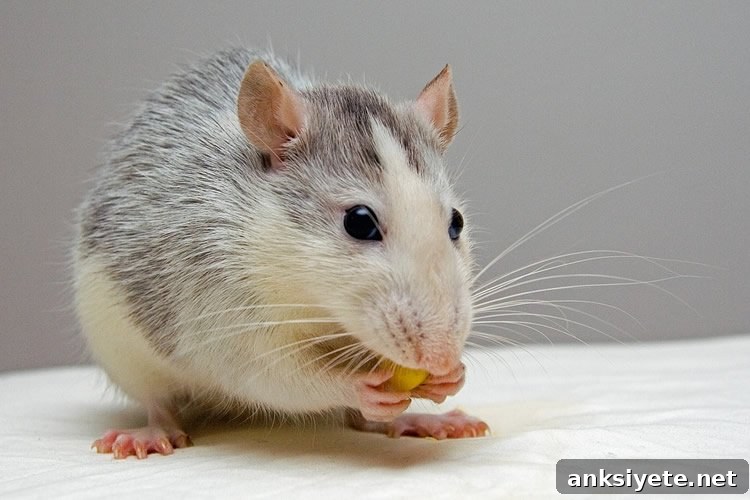
In this experimental study, investigators induced mild inflammation in the colons of 10-day-old rats. After the animals matured (six to eight weeks later), the adults were tested for gastric hypersensitivity and for behaviors that indicate anxiety. The researchers observed that neonatal colon inflammation led to a sustained increase in tyrosine hydroxylase, the enzyme responsible for norepinephrine synthesis, in sympathetic nerves that innervate the upper abdomen. These nerves released more norepinephrine, producing higher local norepinephrine levels in the stomach area. Adult rats that experienced neonatal colon inflammation also displayed increased anxiety-like behaviors compared with controls.
The authors conclude that increased sympathetic nerve activity—specifically higher norepinephrine production and release driven by upregulated tyrosine hydroxylase in celiac ganglia—can sensitize the stomach and contribute to behavioral changes consistent with anxiety. Sushil Sarna, PhD, lead investigator at the University of Texas Medical Branch at Galveston, notes that these experimental findings reinforce clinical observations linking adverse early-life experiences to later development of functional dyspepsia symptoms.
The study used several complementary approaches: biochemical assays to measure tyrosine hydroxylase and norepinephrine levels, physiological tests demonstrating enhanced gastric sensitivity, and behavioral tests indicating increased trait anxiety in the affected animals. The investigators also reported that chemical sympathectomy reduced the elevated expression of nerve growth factor (NGF) and alleviated gastric hypersensitivity, while removal of the adrenal glands (adrenalectomy) did not, suggesting a key role for local sympathetic nerves rather than circulating adrenal hormones in maintaining the observed stomach sensitivity.
Understanding the mechanisms that link early-life gastrointestinal inflammation to later visceral sensitivity and anxiety is important for developing more targeted treatments. The research team plans to continue exploring how functional dyspepsia, anxiety, and early-life stress are connected. Future work will focus on identifying biomarkers that can help diagnose functional dyspepsia and evaluate symptom severity, and on discovering potential therapeutic targets to interrupt the pathway from neonatal inflammation to adult gastric hypersensitivity and anxiety.
Funding: Supported in part by NIDDK Grants 5R01DK088796 (SKS) and DK 32346 (SKS).
Source: APS.
Image Source: This illustrative image is in the public domain.
Original Research: “Enhanced sympathetic nerve activity induced by neonatal colon inflammation induces gastric hypersensitivity and anxiety-like behavior in adult rats” by John H. Winston and Sushil K. Sarna in American Journal of Physiology—Gastrointestinal and Liver Physiology. Published online May 5, 2016. doi:10.1152/ajpgi.00067.2016
APS. Early Life Stress Linked to Digestive Problems and Anxiety in Rats. NeuroscienceNews. Published May 29, 2016.
Abstract
Enhanced sympathetic nerve activity induced by neonatal colon inflammation induces gastric hypersensitivity and anxiety-like behavior in adult rats
Gastric hypersensitivity (GHS) and anxiety are prevalent in functional dyspepsia patients; their underlying mechanisms remain unclear, in part because of limited access to live human visceral tissues. In a preclinical model, rats subjected to neonatal colon inflammation showed increased basal plasma norepinephrine, which contributes to GHS through upregulation of nerve growth factor (NGF) expression in the gastric fundus. This study tested the hypothesis that neonatal colon inflammation increases anxiety-like behavior and sympathetic nervous system activity, which in turn upregulates NGF expression to induce GHS in adult life. Chemical sympathectomy, but not adrenalectomy, suppressed elevated NGF expression and gastric hypersensitivity. Heart rate variability measurements showed a significant increase in the low-frequency/high-frequency ratio in GHS rats compared with controls. Stimulus-evoked norepinephrine release from gastric fundus tissue was significantly greater in GHS animals, and tyrosine hydroxylase expression increased in the celiac ganglia. Behavioral testing revealed an increase in trait anxiety but not stress-induced anxiety-like responses in GHS rats in the elevated plus maze. The findings suggest that neonatal colon inflammation programs the sympathetic nervous system by upregulating tyrosine hydroxylase in celiac ganglia, increasing norepinephrine release in the gastric fundus, and driving NGF expression and gastric hypersensitivity. Neonatal programming also coincides with elevated anxiety-like behavior in adulthood.
“Enhanced sympathetic nerve activity induced by neonatal colon inflammation induces gastric hypersensitivity and anxiety-like behavior in adult rats” by John H. Winston and Sushil K. Sarna. American Journal of Physiology—Gastrointestinal and Liver Physiology. Published online May 5, 2016. doi:10.1152/ajpgi.00067.2016