
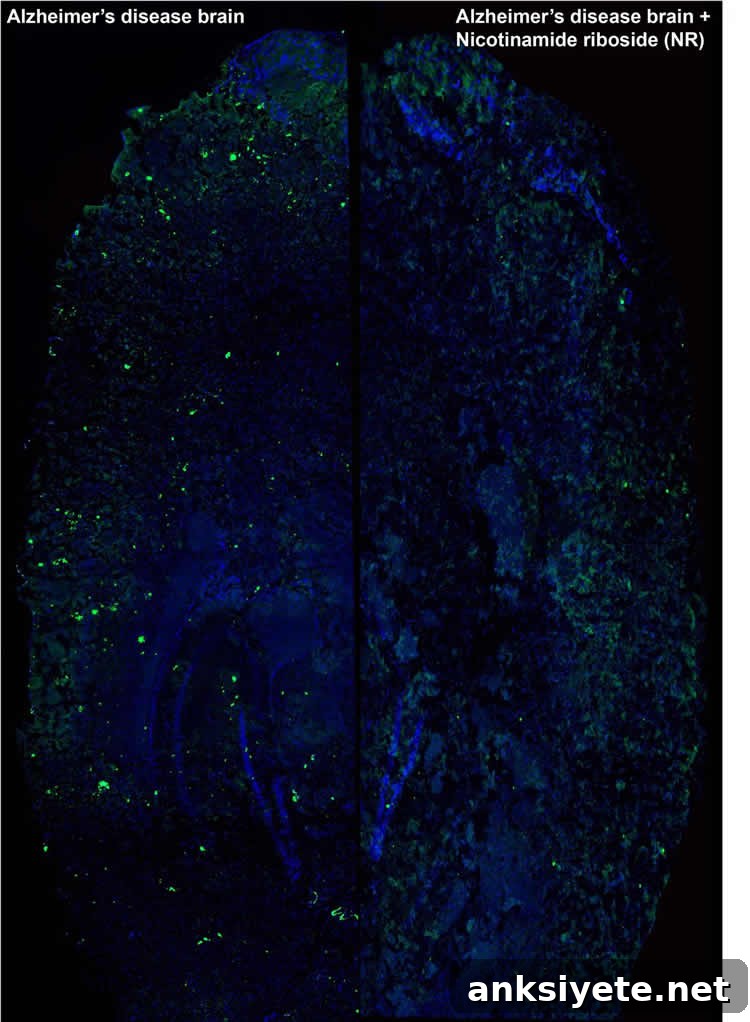
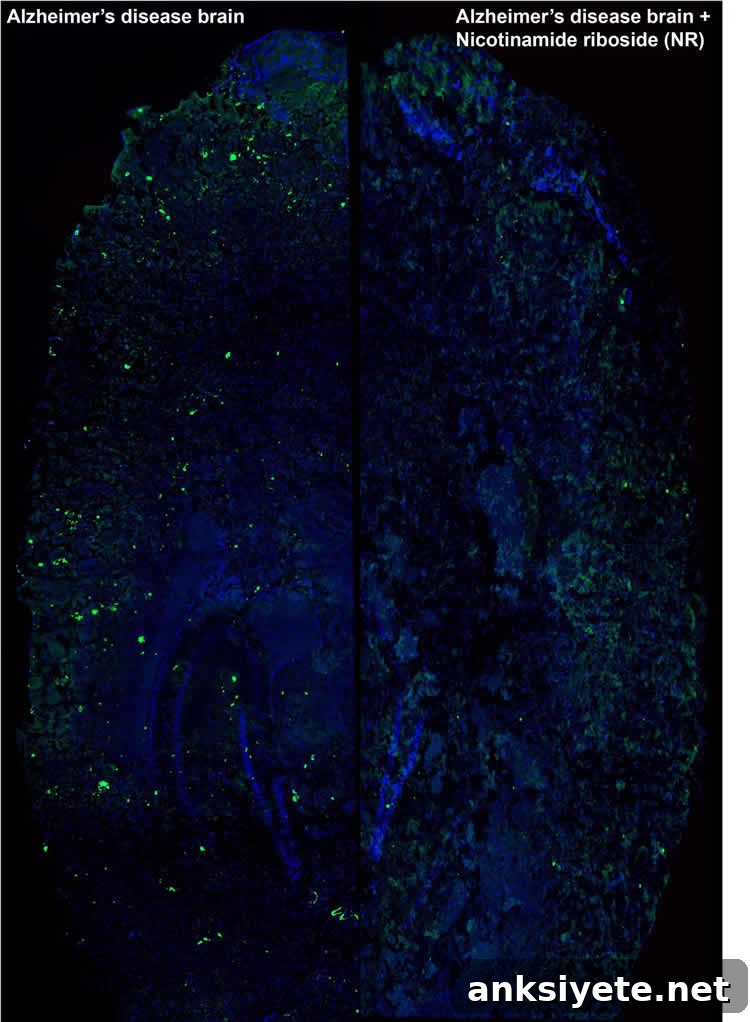
Summary: Enhancing mitochondrial quality control can protect against a form of protein stress and reduce amyloid plaque formation, according to EPFL researchers.
Source: EPFL.
Overview: Alzheimer’s disease, the leading cause of dementia and neurodegeneration worldwide, is characterized by the accumulation of toxic beta-amyloid plaques in the brain. These plaques form when the beta-amyloid protein aggregates inside neurons, contributing to progressive cognitive decline.
Despite extensive research, there is no cure for Alzheimer’s disease and many therapies aimed at reducing amyloid plaque formation have yielded limited and inconsistent results. Increasingly, researchers are exploring metabolic approaches to the disease. Mitochondria—the cell’s energy-producing organelles—play a central role in cellular metabolism, and dysfunction in these organelles has been repeatedly observed in Alzheimer’s patients.
Researchers led by Johan Auwerx at EPFL investigated whether strengthening mitochondrial defenses could change the course of amyloid-driven damage. Using models ranging from the nematode Caenorhabditis elegans to cultured human neurons and a transgenic mouse model of Alzheimer’s, the team found that activating mitochondrial quality-control pathways both protects cells from a specific kind of protein stress and reduces amyloid plaque accumulation.
With aging and in neurodegenerative conditions such as Alzheimer’s, cells accumulate damage and struggle to maintain mitochondrial health. Mitochondria supply the energy neurons need to function, and when their quality-control systems fail, neuronal vulnerability and brain damage increase—leading to symptoms like memory loss and cognitive decline.
The researchers focused on two core mitochondrial quality-control mechanisms: the mitochondrial unfolded protein response (UPRmt), which protects mitochondria from protein-folding stress, and mitophagy, the selective recycling of damaged mitochondria. Both pathways are essential for maintaining mitochondrial proteostasis and cellular health during aging and disease.
Previous studies had documented mitochondrial dysfunction in Alzheimer’s-affected brains, but this work is among the first to show that cells actively engage defense and recycling pathways in response to amyloid-induced stress. “These defense and recycle pathways of the mitochondria are essential across species, from C. elegans to humans,” says Vincenzo Sorrentino, first author on the study. “We therefore tested pharmacological means to stimulate them.”
In the nematode Alzheimer’s model (GMC101), the team activated mitochondrial defenses with known compounds including the antibiotic doxycycline and the NAD+ precursor nicotinamide riboside (NR). Treated worms showed clear improvements in healthspan, mobility and lifespan relative to untreated controls, and exhibited markedly reduced amyloid plaque formation.
Importantly, similar beneficial effects were seen in cultured human neuronal cells exposed to the same treatments: markers of mitochondrial function improved and amyloid aggregation decreased. Motivated by these conserved results, the researchers administered nicotinamide riboside to a transgenic mouse model of Alzheimer’s (APP/PSEN1). Mice receiving NR showed enhanced mitochondrial function, fewer amyloid plaques, and a striking normalization of cognitive performance compared with untreated animals.
These findings suggest that restoring mitochondrial proteostasis can both limit amyloid pathology and rescue brain function—the primary therapeutic goal for Alzheimer’s interventions. “Historically, Alzheimer’s has been approached mainly as a disease of amyloid accumulation,” says Johan Auwerx. “Our work shows that improving mitochondrial health reduces plaque formation and, crucially, improves cognitive function.”
The strategy of boosting mitochondrial quality control offers a novel therapeutic direction that could complement or provide an alternative to direct anti-amyloid approaches. Because mitochondrial dysfunction is also central to other neurodegenerative disorders, including Parkinson’s disease, therapies that enhance UPRmt and mitophagy may have broader relevance.
Clinical testing in humans remains necessary. “Compounds such as nicotinamide riboside that stimulate mitochondrial defense and recycling pathways may succeed where many anti-amyloid drugs have not, but rigorous clinical trials will be required to determine safety and efficacy in patients,” notes Vincenzo Sorrentino.
This work involved collaborators from EPFL and Michigan State University and was supported by funding from the EPFL Fellows’ Program, Associazione Italiana per la Ricerca sul Cancro, the U.S. National Institutes of Health, SystemsX.ch, Velux Stiftung and the Jebsen Foundation.
Article source: Nik Papageorgiou, EPFL. Publisher: NeuroscienceNews.com. Image credit: Vincenzo Sorrentino, Mario Romani, Francesca Potenza / EPFL.
Abstract (concise)
Alzheimer’s disease features pathological aggregation of amyloid-β peptide. This study identifies a conserved mitochondrial stress-response signature—engaging the mitochondrial unfolded protein response and mitophagy—in human, mouse and C. elegans models of amyloid-β proteotoxicity. Enhancing mitochondrial proteostasis, by pharmacological or genetic modulation of mitochondrial translation and mitophagy, improved fitness and lifespan in disease-model worms and reduced amyloid aggregation in cultured cells, worms and transgenic mice. These results support targeting mitochondrial quality-control mechanisms as a strategy to delay or limit amyloid-β–related neurodegeneration.