
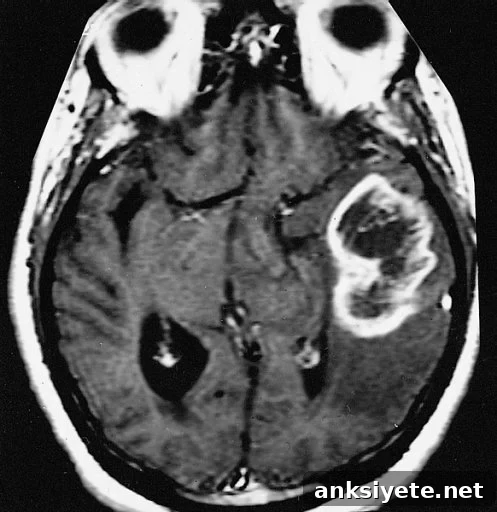
Glioblastoma: a promising strategy to overcome resistance to mTOR-targeted therapies
Glioblastoma is the most common and deadly primary brain tumor in adults, and effective treatments remain scarce because these cancers quickly develop resistance to therapy. New research from the Ludwig Institute for Cancer Research in San Diego identifies a key molecular escape route that allows glioblastoma cells to survive inhibition of the mTOR (mammalian target of rapamycin) signaling pathway and proposes a drug combination that shuts down that escape mechanism.
The mTOR pathway is hyperactivated in roughly 90 percent of glioblastomas and plays a central role in tumor cell growth and survival. While mTOR inhibitors suppress tumor proliferation, clinical results have been disappointing because these agents generally stop growth without inducing tumor cell death. Investigators across the laboratories of Drs. Paul Mischel, Web Cavenee and Frank Furnari set out to understand why mTOR-targeted therapies fall short and to identify approaches that could convert a cytostatic response into a cytotoxic one.
The researchers focused on the promyelocytic leukemia protein (PML), a gene-encoded protein known for its roles in other cancers. They discovered that PML levels increase markedly in glioblastoma cells when patients or experimental models receive mTOR inhibitor treatment. This induced upregulation of PML allows tumor cells to evade the lethal effects of mTOR inhibition: instead of dying, tumor cells adopt a protective state and survive treatment.
Experimental results showed that blocking the tumor cells’ ability to upregulate PML restored sensitivity to mTOR inhibition. In other words, when PML induction was suppressed, mTOR-targeted drugs did more than halt growth — they triggered tumor cell death. These findings link PML upregulation directly to therapeutic resistance and identify PML as a critical mediator of the glioblastoma escape response to mTOR inhibitors.
“When we looked at cells in in vivo models and patients treated in the clinic, it became clear that glioblastoma cells massively regulated PML, enabling them to escape the effects of mTOR inhibitor therapy,” said senior author Paul Mischel, MD, a member of the Ludwig Institute based at the University of California, San Diego. “Our team hypothesized that if we could pharmacologically eliminate PML and combine that approach with an mTOR inhibitor, the response might shift from growth arrest to tumor cell death.”
The team drew on earlier clinical observations in leukemia showing that low-dose arsenic promotes degradation of the PML protein. Building on that knowledge, they tested whether low-dose arsenic could prevent the PML-mediated escape response in glioblastoma. In preclinical mouse models, combining an mTOR inhibitor with low-dose arsenic produced a synergistic outcome: widespread tumor cell death and substantial tumor shrinkage, without apparent toxic side effects in the animals.
“Current therapy upregulates PML, turning off mTOR signaling and allowing tumor cells to hide, waiting for the pathway to reactivate,” Mischel explained. “When low-dose arsenic is added, it not only blocks the cell’s ability to return to the escape state, it effectively shuts down the escape route and kills the tumor cells.”
The study provides the first clinical and experimental evidence that mTOR inhibition itself promotes PML upregulation in both mice and patients, and that this response drives resistance. The investigators confirmed the clinical relevance by analyzing tissue samples taken before and after mTOR inhibitor treatment from patients: PML levels rose significantly in post-treatment specimens, mirroring findings from experimental models.
These results suggest a new combination strategy for glioblastoma therapy: co-targeting mTOR signaling while preventing PML-mediated resistance using agents that degrade PML. The approach aims to convert mTOR inhibitors from primarily cytostatic agents into treatments capable of inducing tumor cell death. The research team reports moving toward clinical testing of this combination in people to evaluate safety and efficacy in patients with glioblastoma.
Study contributors and funding
Key contributors included postdoctoral researchers Akio Iwanami and Beatrice Gini (Mischel lab) and Ciro Zanca (Furnari/Cavenee lab), among others. The work received support from the Japan Society for the Promotion of Science, the Uehara Memorial Foundation, NIH grants NS73831, CA119347 and P01-CA95616, the Ziering Family Foundation in memory of Sigi Ziering, and the Ben and Catherine Ivy Foundation.
Contact information and sources
For institutional contact: Ludwig Institute for Cancer Research. The study and its open-access publication detail the role of PML in mediating glioblastoma resistance to mTOR-targeted therapies and the preclinical efficacy of combining mTOR inhibitors with low-dose arsenic to overcome that resistance.