Study Reveals Dangers of Forming Attachments to AI Chatbots

featured 117262

Summary: A new Drexel University study finds that while people increasingly turn to general-purpose AI chatbots for emotional and mental health support, most users treat these systems as supplements to — not replacements for — human therapy. The research analyzed more than 4 million Reddit posts to map how people interact with large language models … Read more

How AI Maps the Glymphatic System

featured 117222 1

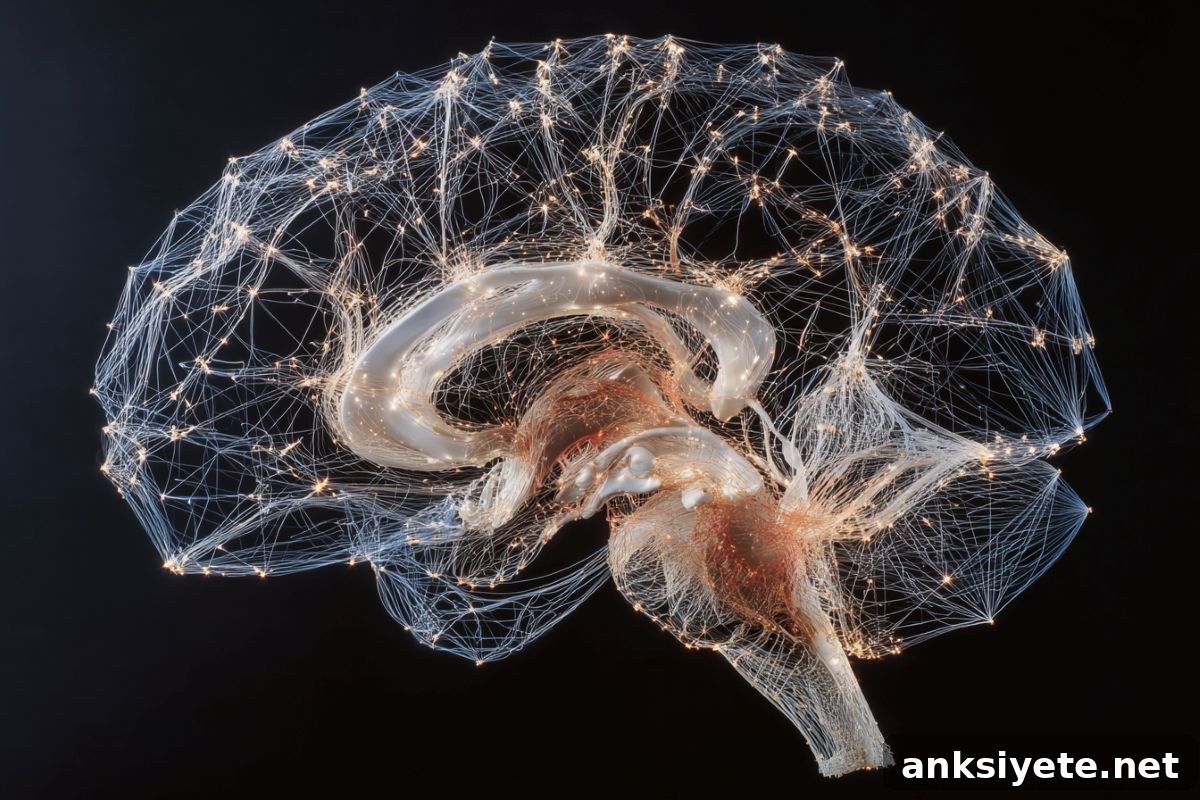
Summary: A multidisciplinary neuroengineering team has overcome a major imaging limitation by mapping the precise flow velocities of the brain’s waste-clearance network. Using a physics-informed artificial intelligence approach to decode magnetic resonance imaging (MRI) data, the study reveals the mechanics of the glymphatic system, the fluid pathway that clears metabolic waste—including amyloid-beta proteins implicated in … Read more

Localized Synergistic Nanofibers Could Eradicate Glioblastoma

featured 117258

Summary: Researchers from the University of Cincinnati and Johns Hopkins Medicine report an implantable, multilayered nanofiber treatment for glioblastoma that embeds three FDA‑approved drugs in a single scaffold. The NanoMesh platform delivers an immediate high dose followed by sustained release directly at the surgical site, bypasses the blood‑brain barrier, and produces synergistic drug interactions that … Read more

Can Neuroscience Detect Real AI Consciousness?

featured 117218 1

Summary: A careful methodological review challenges the scientific foundations of much contemporary consciousness research. The authors argue that commonly used neuroscientific approaches are not reliably measuring subjective experience, and instead often capture general information processing. This ambiguity undermines many high-profile claims about sentience in AI systems, animals, fetuses, and lab-grown organoids. The paper shows that … Read more

Lipid Dysfunction in Teens May Slow Brain Processing Speed

featured 117210 1

Summary: A broad collection of recent neuroscience and biomedical studies reveals new mechanisms that link metabolism, ion dynamics, development and behavior to brain health and cognition across the life course. Highlights include novel imaging of sodium in astrocytes, evidence that cardiovascular risk factors affect adolescent cognition, neural substrates for abstract symbol recombination, sensory dominance in … Read more

Neuronal Acetyl-CoA Links Autophagy Defects to Alzheimer’s

featured 117246

Summary: Researchers have revealed a specialized metabolic mechanism in the brain that alters how neurons and glial cells sense nutrients. Instead of relying primarily on canonical amino-acid sensors characterized in non-neuronal cell lines, these neural cells use leucine-derived acetyl‑coenzyme A (AcCoA) to regulate mTORC1 via activation of the acetyltransferase p300 and subsequent acetylation of the … Read more

Could Autoimmunity Drive Long COVID Symptoms?

featured 117242

Summary: New research identifies autoimmunity as the main biological driver of the puzzling and often disabling symptoms experienced by a distinct subgroup of people with long COVID. Investigators established a direct causal link by isolating antibodies from the blood of long COVID patients and transferring them into healthy mice, producing clear physical and physiological effects … Read more

How Rare Genetic Variants Shape Extreme Human Traits

featured 117205 1

Summary: A major study in statistical genetics overturns a long-held assumption about complex human traits. It shows that people at the extreme high or low ends of common health measurements are frequently influenced by a few rare, high-impact genetic variants rather than by thousands of small-effect common variants. This discovery clarifies the genetic architecture of … Read more

Contraceptive Drug Could Restore Movement After Spinal Paralysis

featured 117238

Summary: A major neuroregeneration study overturns a long-held assumption by showing that axon damage in the human central nervous system, previously considered irreversible, can be reversed. The work uses patient-derived 3D stem cell organoid circuits cultured for more than a year to model corticospinal development and identify a genetic maturity program that shuts down axon … Read more

Caffeine Disrupts Deep Sleep Waves Without Shortening Sleep

featured 117201 1

Summary: New research challenges the common belief that the ability to fall asleep quickly after drinking coffee means caffeine has no effect. Using quantitative electroencephalography (EEG) to measure brain electrical activity, researchers found that caffeine can markedly suppress slow-wave activity during sleep. That suppression shifts the brain’s sleep architecture toward a lighter, more wakeful pattern, … Read more