Study Finds Low Glycemic Diet Reduces Autism Symptoms in Mice
featured 21049

Salk researchers find that a diet recommended for diabetics reduced autism-like signs in mice Processed foods high in sugar—such as white bread and many cereals—cause rapid rises and falls in blood glucose. In contrast, diets focused on vegetables, fruits and whole grains digest more slowly and help maintain steadier blood sugar. New research from the … Read more

How Your Native Language Shapes Neural Wiring

featured 91602

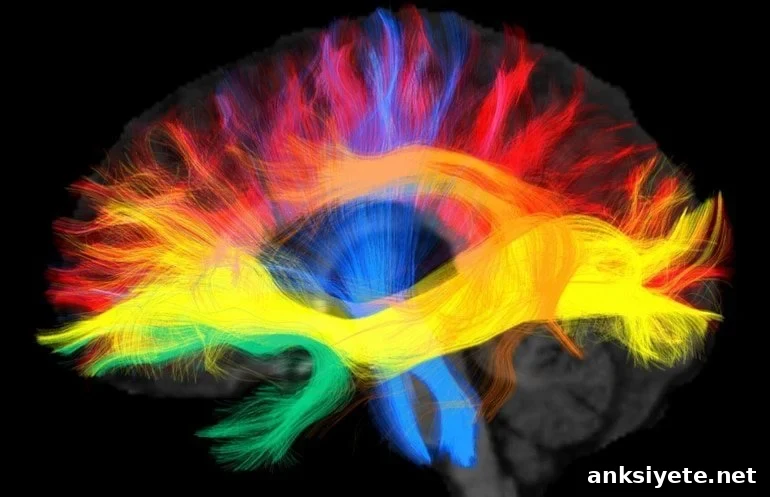
Summary: New research suggests that the language you grow up speaking influences how language-related brain regions are wired. Using high-resolution neuroimaging, researchers compared the structural connectivity of native German and native Arabic speakers and found stronger cross-hemispheric connections in Arabic speakers and stronger left-hemisphere language connectivity in German speakers. Source: Max Planck Institute Researchers at … Read more

How Wildfire Smoke Damages the Brain and Sparks Inflammation

featured 96545

Summary: Researchers have found that wildfire smoke can trigger prolonged inflammation in the brain. Their study shows this inflammation is especially pronounced in the hippocampus, the region essential for learning and memory. In experiments with rodents exposed to wood smoke, scientists observed lasting changes in neurotransmitters and signaling molecules that persisted for more than a … Read more

Scientists Identify Key Mechanism to Preserve Working Memory

featured 63220

Summary: Acetylcholine acting at muscarinic M1 receptors in the prefrontal cortex supports the neuronal activity that holds information in working memory. Because M1 receptor signaling is diminished in conditions that impair working memory, such as schizophrenia and Alzheimer’s disease, the M1 receptor represents an attractive therapeutic target to restore cognitive function. Source: Yale Working memory—the … Read more

Ear Stimulation May Reduce Parkinson’s Symptoms

featured 58278

Summary: Gentle, controlled stimulation of the ear canal reduced both motor and non-motor symptoms in people with Parkinson’s disease, with many therapeutic benefits persisting for weeks after treatment ended. Source: University of Kent New research shows that non-invasive ear stimulation can ease a range of Parkinson’s symptoms. A randomized, controlled clinical study led by researchers … Read more

How a Sense of Oneness Boosts Life Satisfaction

featured 55457

Summary: People who hold a strong sense of “oneness” — the belief that everything is connected and interdependent — report higher life satisfaction, regardless of their religious affiliation. Source: APA New research from the American Psychological Association indicates that belief in oneness — the idea that the world, life, and people are interconnected — is … Read more

Visual Migraines Linked to Irregular Heartbeat Risk

featured 52457

Summary: New research finds that people who experience migraine with visual aura have a higher risk of developing atrial fibrillation, an irregular heart rhythm linked to stroke. Source: AAN Migraine with visual aura linked to higher atrial fibrillation risk People who experience migraine with visual aura—visual disturbances that occur just before the onset of head … Read more

Promising Progress in Parkinson’s Disease Research

featured 19649

Implanted stem cells reduced symptoms of disease during experiment, researchers say. Researchers affiliated with the Harvard Stem Cell Institute and McLean Hospital report a significant advance toward treating Parkinson’s disease by implanting neurons generated from stem cells. The team, led by Ole Isacson at McLean, published results showing that dopamine-producing neurons derived from primate skin … Read more

When the Spinal Cord Takes Over: Symptoms and Treatment

featured 45557

Summary: Scientists have discovered how the spinal cord decides which sensory signals to process and which to suppress so they don’t disrupt ongoing movement. Source: Salk Institute. Although we often credit the brain with controlling every action, much of the sensory processing that shapes movement takes place within the spinal cord. Researchers at the Salk … Read more

New Study Maps Neural Circuitry Underlying Core Motor Function

featured 14632

Scientists at the Salk Institute have identified the developmental origin of a crucial class of spinal interneurons that enable coordinated limb movement, a discovery that could inform future therapies for spinal cord injury and motor impairments. The spinal cord contains neural circuits capable of generating rhythmic movement patterns largely without continuous conscious control. These circuits, … Read more