Have My Neurons Seen This Before? The Science of Deja Vu

featured 15802

Researchers reveal how neurons respond to streams of familiar and unfamiliar images As visual scenes become increasingly complex, our brains constantly sort and recognize a rapid flow of images. A new study from the Center for the Neural Basis of Cognition (CNBC), a joint collaboration between Carnegie Mellon University and the University of Pittsburgh, examines … Read more

Why Facial Expressions Can Hide True Emotions

featured 54483

Summary: New research shows that context plays a central role in how people perceive others’ emotions. Source: UC Berkeley Context Matters: Faces Alone Don’t Always Reveal True Emotions In the film 127 Hours, actor James Franco appears to smile as he records a video diary. Only when the camera pulls back to reveal his arm … Read more

Psychological Distress Raises Dementia Risk

featured 53661

Summary: A new study finds that experiencing vital exhaustion—a form of psychological distress—during late midlife is associated with an increased risk of developing dementia in later life. Psychological Distress in Midlife Linked to Higher Dementia Risk Researchers from the Department of Public Health at the University of Copenhagen, together with collaborators at the National Research … Read more

How TMS Affects the Brain: Mechanisms and Outcomes

featured 49401

Summary: Researchers report that transcranial magnetic stimulation (TMS) primes neural connections in the visual cortex for reorganization. Source: RUB Scientists at Ruhr-Universität Bochum have advanced understanding of how transcranial magnetic stimulation (TMS) affects functional connectivity among neurons. Using voltage-sensitive fluorescent dyes to visualize neuronal activity, the team demonstrated in an animal model that high-frequency TMS … Read more

7 Habits That Lower Dementia Risk for Adults With Genetic Risk

featured 83078

Seven Healthy Habits May Reduce Dementia Risk Even for Those With High Genetic Risk Summary: New research reports that adopting seven simple cardiovascular and brain-healthy habits can lower the chance of developing dementia — even for older adults with the highest genetic risk. The study tracked lifestyle, genetic risk, and dementia outcomes over 30 years. … Read more

Mind-Reading Neurons Predict Others’ Behavior

featured 56618

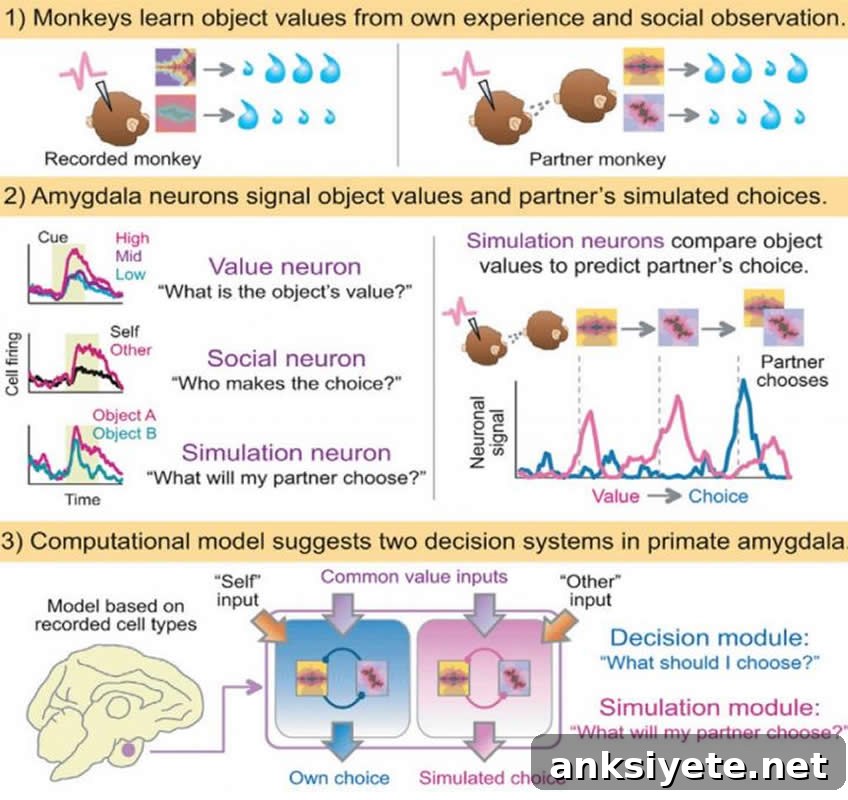
Summary: Newly identified “simulation neurons” in the amygdala enable animals to reconstruct the mental states of social partners and predict their intentions. Dysfunction in these neurons may contribute to social behavior disorders such as autism and social anxiety. Source: UPF Barcelona Psychologists and philosophers have long proposed that simulation is the mechanism people use to … Read more

How the Brain Maps Social Network Structure

featured 73465

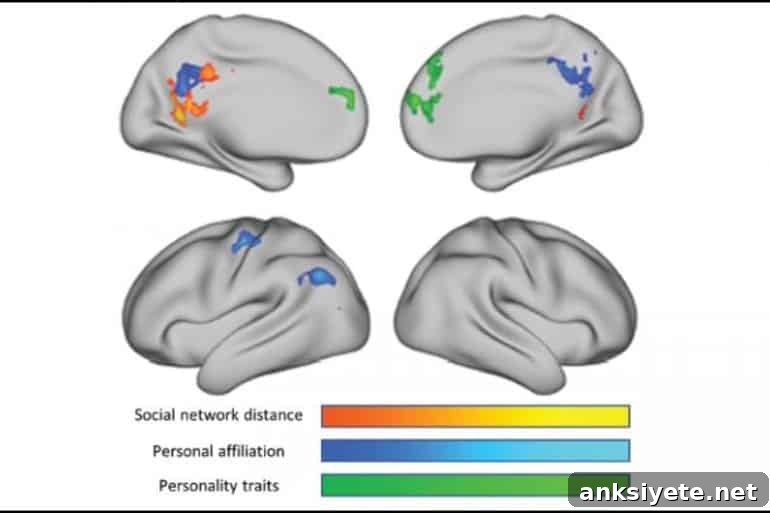
Summary: Brain regions that process spatial information also appear to encode and organize data about social relationships and social network structure. Source: SfN New research published in Journal of Neuroscience shows that the brain represents information about our social relationships using regions commonly associated with spatial processing. Humans maintain hundreds of social ties, and keeping … Read more

Alzheimer’s Drug Discovery: Targeting the Right ROCK Kinase

featured 12615

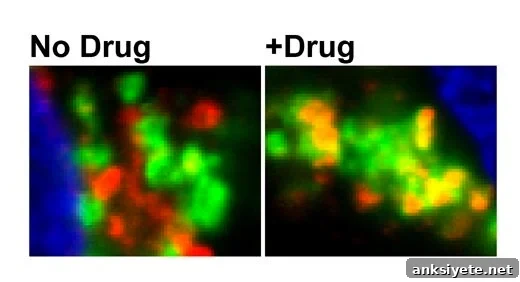
Emory and Scripps researchers identify a promising strategy to slow Alzheimer’s disease by reducing beta-amyloid production Scientists from the Emory Alzheimer’s Disease Research Center and the Scripps Research Institute have reported a discovery that may enable development of drugs to slow the progression of Alzheimer’s disease. Their work focuses on reducing production of beta-amyloid, the … Read more

Why Haunted Houses Creep Us Out: The Psychology of Fear

featured 52181

Summary: Psychologists examine why haunted houses make us feel creeped out, concluding they unsettle us not because of clear danger but because it is unclear whether or not they pose a real threat. Source: The Conversation. The haunted house is a time-honored setting for horror. We have all shivered through classic scary films set in … Read more

Brain Reserve Lowers Cognitive Decline Risk in MS

featured 10355

Brain Reserve and Cognitive Reserve Independently Protect Against Cognitive Decline in Multiple Sclerosis Researchers from the United States and Italy have found that both brain reserve and cognitive reserve independently reduce the risk of cognitive decline in people with multiple sclerosis (MS). The study was published in Neuron on June 11, 2013. Investigators set out … Read more