Clinical Trial Finds Antidepressant Lowers Severe COVID-19 Risk

featured 69230

Summary: A small randomized trial suggests the antidepressant fluvoxamine may reduce the risk of clinical deterioration and hospitalization for people with early, symptomatic COVID-19. Source: University of Virginia Overview A preliminary clinical trial indicates that fluvoxamine, a selective serotonin reuptake inhibitor (SSRI) commonly used as an antidepressant, may help prevent mild COVID-19 from progressing to … Read more


Study Finds Genetic Risk for Depression Tied to Physical Symptoms

featured 78136

Summary: Researchers report that people with a higher genetic predisposition to clinical depression are also more likely to experience physical symptoms such as migraines, chronic pain, and persistent fatigue. Source: University of Queensland New research from the University of Queensland shows that individuals with an increased genetic risk for clinical depression are more likely to … Read more

Dopamine and Anxiety: What New Research Reveals

featured 109594

Summary: Dopamine receptors in the ventral hippocampus play a central role in regulating the balance between approach and avoidance behaviors, broadening our understanding of dopamine beyond its established roles in reward and motivation. By examining neurons that express D1 and D2 receptors in mice, researchers revealed how these receptor-defined cells produce opposing emotional responses under … Read more

Sci-Fi Fans Embrace Digitizing the Human Brain

featured 50415

Summary: Researchers report that science fiction enthusiasts tend to view the prospects of uploading consciousness, neurotechnology, and brain digitization more positively than the general public. Source: University of Helsinki “Mind upload is a technology rife with unsolved philosophical questions,” says researcher Michael Laakasuo. “For example, would conscious experience transfer when a brain is copied? Could … Read more

Structural Protein Could Be a Biomarker for Depression

featured 64171

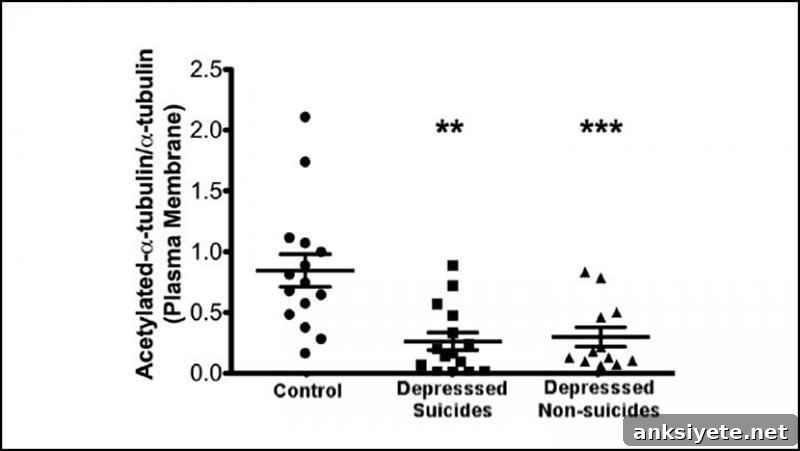
Summary: New research highlights the structural protein tubulin as a potential biomarker and therapeutic target for depression. Modified tubulin appears to tether the signaling protein Gαs inside lipid rafts in cell membranes, reducing production of cAMP and weakening neuronal signaling. Prior imaging studies have linked reduced cAMP levels in the brain with depression, a deficit … Read more

Protein Society 28th Annual Neuroscience Symposium

featured 15476

The Protein Society will host its 28th Annual Symposium in San Diego, CA from July 27–30, 2014. The Protein Society’s 28th Annual Symposium brings together scientists across disciplines and career stages who share an interest in protein structure, function, dynamics, design and their implications for human health. The meeting is structured to encourage cross-disciplinary exchange, … Read more

Cellular Protein Pathways Explained

featured 10610

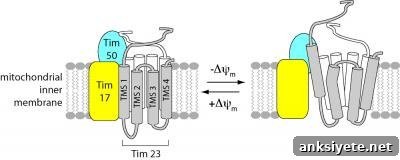
Researchers at the University of Connecticut used ultra-sensitive fluorescent probes to observe, for the first time, the structural dynamics of a crucial protein channel inside mitochondria, the cell’s primary energy-producing organelle. The team discovered that the channel complex, known as the translocase of the inner mitochondrial membrane 23 (TIM23), is directly linked to the energized … Read more

Study Finds Choroid Plexus Role in Chronic Pain

featured 23816

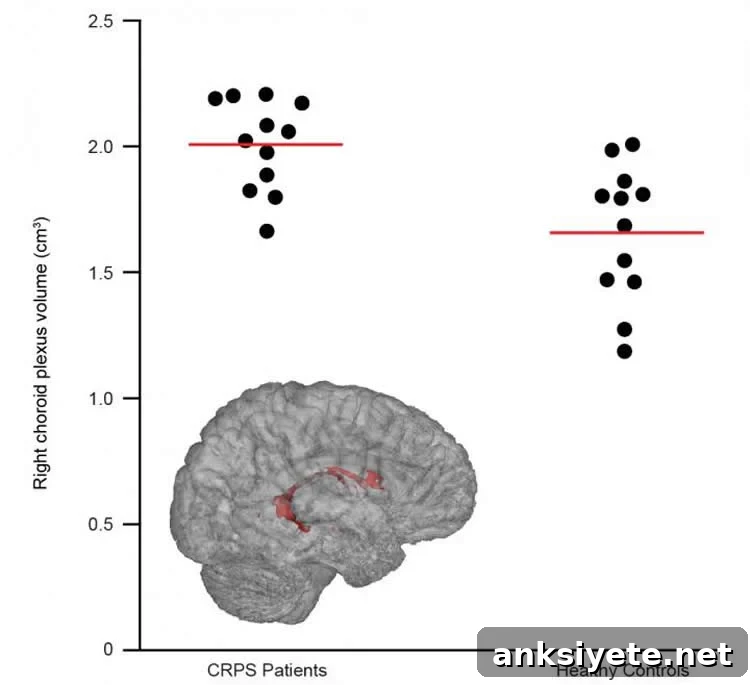
Finnish researchers identify a link between the choroid plexus and complex regional pain syndrome (CRPS) Neuroscientists at Aalto University, working together with colleagues at Helsinki University Hospital and Harvard Medical School, report a previously unrecognized association between enlargement of the choroid plexus and complex regional pain syndrome (CRPS). The findings, published in the journal Scientific … Read more

What Your Gamertag Says About Your Personality

featured 25605

What’s in a name? New research finds video game usernames reveal real-world personality traits and age-related patterns Psychologists at the University of York have shown that the usernames of online gamers can carry meaningful information about the players behind them. By analysing half a million anonymised records from a hugely popular multiplayer game, researchers found … Read more

High-Speed Eye Tracking Detects Hidden Brain Injuries

featured 115115

Summary: Can a single concussion from your youth still affect your brain a decade or two later? New research suggests the answer is yes. Using high-speed eye-tracking, researchers found that people who experienced mild traumatic brain injuries (mTBIs) more than ten years ago still show subtle but measurable delays in how their eyes follow moving … Read more