
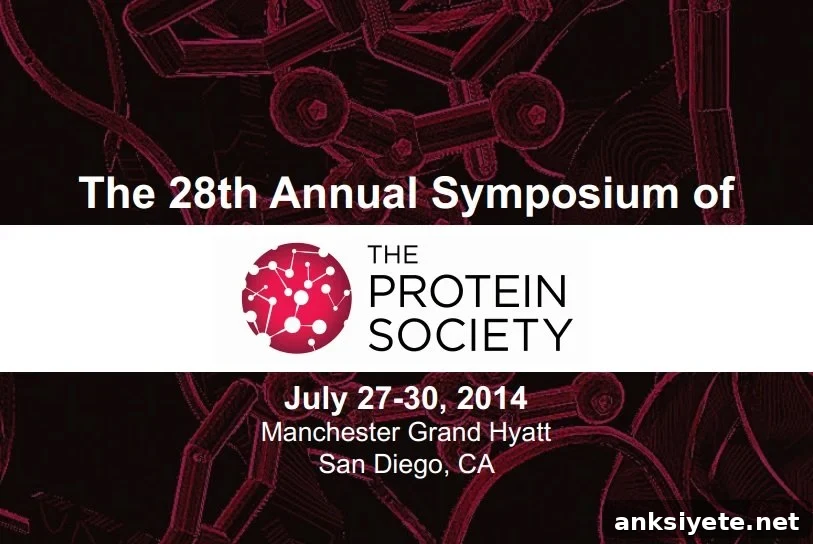
The Protein Society will host its 28th Annual Symposium in San Diego, CA from July 27–30, 2014.
The Protein Society’s 28th Annual Symposium brings together scientists across disciplines and career stages who share an interest in protein structure, function, dynamics, design and their implications for human health. The meeting is structured to encourage cross-disciplinary exchange, break down scientific silos, and showcase advances that impact basic science, translational research and therapeutic development. Established investigators, early-career researchers, postdoctoral fellows and students will all find sessions tailored to current challenges and emerging opportunities in protein science.
The scientific program includes ten focused sessions that highlight both foundational topics and cutting-edge approaches. Session themes emphasize mechanisms, methodology and application and include Proteins in Disease & Therapeutics; Protein Translation & Folding; Cellular Structures; Protein Evolution; Chemical Biology & Enzymology; Proteins in Altered States; Protein Degradation; Frontier High-Throughput Techniques; Proteins in Dynamic & Driven Processes; Membrane Proteins & Receptors; Protein Engineering & Synthetic Biology; and Bacterial Interactions. These topics reflect the wide scope of contemporary protein research, from fundamental biophysics and chemistry to systems-level studies and engineering for biotechnology.
Presentations and discussions at the symposium will span experimental and computational approaches, including structural biology, single-molecule methods, high-throughput screening, proteomics, chemical probes, and synthetic biology strategies. Attendees can expect sessions that explore how protein misfolding, aggregation and degradation contribute to disease, how membrane proteins and receptors mediate cellular signaling, and how protein design and engineering are creating new tools and therapeutics. Emphasis on translational relevance and methodological innovation makes the meeting a valuable forum for scientists interested in both basic mechanisms and practical applications.
The symposium program also encourages participation from trainees and early-career scientists through poster sessions, networking opportunities and sessions that highlight emerging investigators. Undergraduate student members of The Protein Society are admitted free, which supports early engagement in the field and access to mentorship and professional development. Registration fees apply to other member levels and non-members; prospective attendees should consult registration information for current rates and categories.
A complete program schedule, including session times and abstracts, is available for download from the Protein Society’s published program PDF.
Event Details
28th Annual Symposium of The Protein Society
Date: July 27–30, 2014
Location: Manchester Grand Hyatt,
1 Market Place,
San Diego, CA
Attending the symposium offers multiple benefits: exposure to high-impact science, opportunities to present and receive feedback on your work, direct engagement with leaders in the protein research community, and participation in discussions that shape future directions of the field. For researchers developing drugs or diagnostics, the meeting provides insight into protein targets, therapeutic strategies and the molecular basis of disease. For method developers, it is a forum for showcasing new technologies and building collaborations.
Logistics such as accommodation, travel planning and local information are typically provided on the symposium website. Early booking of hotel rooms at the Manchester Grand Hyatt and nearby properties is recommended, especially for attendees arriving from outside the region. Participants should also review poster guidelines and abstract submission deadlines if they plan to present their work.
The Protein Society’s symposium is designed to be intellectually stimulating and professionally rewarding. Whether you are focused on protein folding and stability, enzymology, membrane biology, proteostasis, computational design, or synthetic biology, the meeting provides a concentrated program to advance knowledge, foster collaborations and inspire new research directions.