Can Amyloid Proteins Spread Through Neurosurgery?

featured 46765

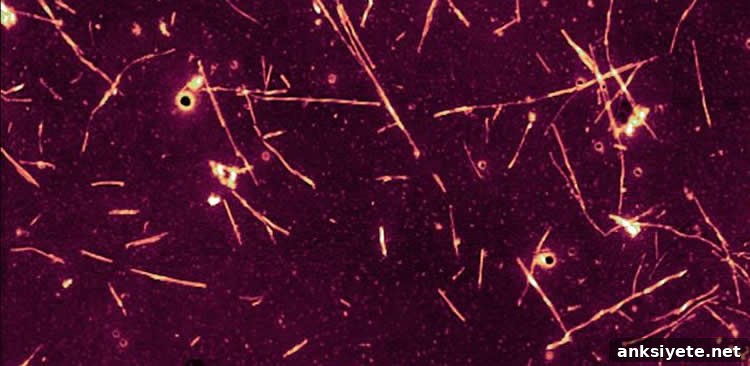
Summary: A UCL-led study indicates that amyloid beta deposits in the brain’s blood vessels may, in some cases, have been transmitted decades earlier by contaminated neurosurgical instruments. Source: UCL. Amyloid beta protein deposits in brain blood vessels may have been transmitted via contaminated neurosurgical instruments, according to a new UCL-led analysis. Published in Acta Neuropathologica, … Read more

Why Do Teeth Hurt in Cold Weather?

featured 72823

Summary: The ion channel TRPC5 functions as a molecular cold sensor in teeth. Researchers identify TRPC5 as a potential target for reducing toothache pain and cold sensitivity. Source: HHMI For many people with tooth decay, even a sip of a cold drink can cause sharp, stabbing pain. “It’s a very specific kind of pain,” says … Read more

Study: Wegovy Cuts COVID-19 Death Risk by 33%

featured 105146

Summary: A large randomized trial found that weekly injections of the weight‑loss medication Wegovy (semaglutide 2.4 mg) were associated with significantly lower mortality: COVID‑19–related deaths were reduced by about one‑third and overall deaths fell by roughly 19% compared with placebo. The multicenter study followed more than 17,000 adults with established cardiovascular disease and overweight or … Read more

How COVID-19 Sparked a Surge in Paranoia

featured 76119

Summary: The COVID-19 pandemic led to a measurable rise in reported paranoia, with the strongest effects seen in U.S. states that imposed mask mandates but experienced low compliance. The Yale team found that higher paranoia was linked to greater acceptance of conspiracy theories, including anti-vaccine claims and QAnon narratives. Source: Yale New research from Yale … Read more

How Researchers Are Designing the Next COVID-19 Vaccine

featured 63145

Summary: Researchers at Boston Children’s Hospital and collaborators are advancing vaccine strategies against coronavirus infections. While a broadly available COVID-19 vaccine may still be more than a year away, teams are prioritizing approaches that protect the most vulnerable—particularly older adults—and preparing platforms to respond to future coronavirus outbreaks. Source: Harvard As global cases of the … Read more

One Type of Brain Cell Linked to Increased Alzheimer’s Risk

featured 52984

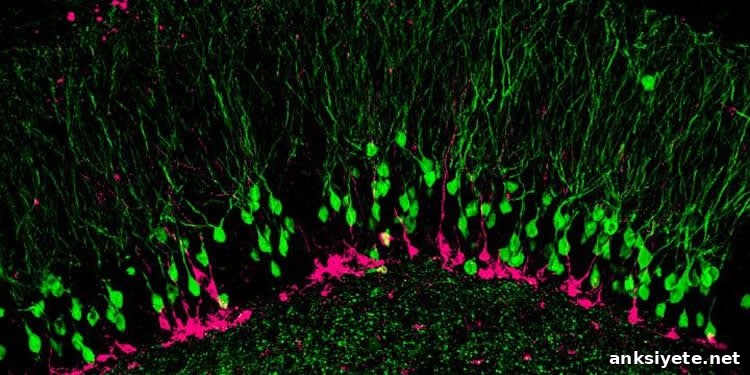
Summary: New research shows that excitatory neurons are particularly susceptible to the buildup of abnormal tau protein, a hallmark linked to Alzheimer’s disease. Source: Ohio State University Improved detection, prevention and treatment strategies for Alzheimer’s disease require a detailed understanding of changes at the cellular level. A recent study provides new insight into why a … Read more

How Brain Immune Cells Respond in Alzheimer’s Disease

featured 87744

Summary: Deleting the microglial gene CX3CR1 worsens disease progression and increases plaque accumulation in mouse models of Alzheimer’s disease. Loss of this gene also reduces microglial migration toward amyloid plaques, impairing their clearance. Source: Indiana University Researchers at Indiana University School of Medicine examined how loss of a microglial gene shapes Alzheimer’s disease progression. Published … Read more

How Emotional Events Rescue Weak Memories and Improve Recall

featured 113016

Summary: New research shows that emotionally intense or surprising events can both retroactively and proactively reinforce weaker memories, helping them persist. The brain does more than preserve the striking moment itself; it can also stabilize ordinary experiences connected to that moment depending on timing and similarity. The study demonstrates that the mind prioritizes fragile memories … Read more

New Gene Found Behind Hereditary Vision Loss

featured 113420

Summary: Researchers have identified a new genetic cause of hereditary optic atrophy — a degenerative condition of the optic nerve that leads to progressive vision loss — by discovering a recurrent missense mutation in the PPIB gene. PPIB encodes peptidylprolyl isomerase B, an enzyme involved in protein folding and quality control. The mutation disrupts mitochondrial … Read more

Dislike vs Dehumanization in the Brain: Key Differences

featured 49986

Summary: A new neuroimaging study finds that dehumanization and dislike activate separate brain regions, indicating they are distinct psychological processes. Source: University of Pennsylvania. In recent days, the media has shown painful images and sounds: migrant and refugee children confined in steel enclosures, families being separated and crying, buses transporting children in car seats. While … Read more