
Summary: Researchers at Boston Children’s Hospital and collaborators are advancing vaccine strategies against coronavirus infections. While a broadly available COVID-19 vaccine may still be more than a year away, teams are prioritizing approaches that protect the most vulnerable—particularly older adults—and preparing platforms to respond to future coronavirus outbreaks.
Source: Harvard
As global cases of the novel coronavirus continue to rise, efforts to develop a safe, effective vaccine are accelerating. Scientists are focused not only on generating protective immunity, but also on tailoring vaccines for populations at highest risk of severe COVID-19—especially older adults and people with chronic health conditions.
Precision approach: targeting older adults
The Precision Vaccines Program (PVP) at Boston Children’s Hospital is leading an effort to design vaccines optimized for older immune systems. Ofer Levy, professor of pediatrics at Harvard Medical School and director of the PVP, emphasizes that immune responses change with age. “Elderly individuals have a different immune system than healthy middle‑aged adults and often do not respond as robustly to immunization, so a one-size-fits-all vaccine does not fit all,” he explains.
Focusing on adjuvants
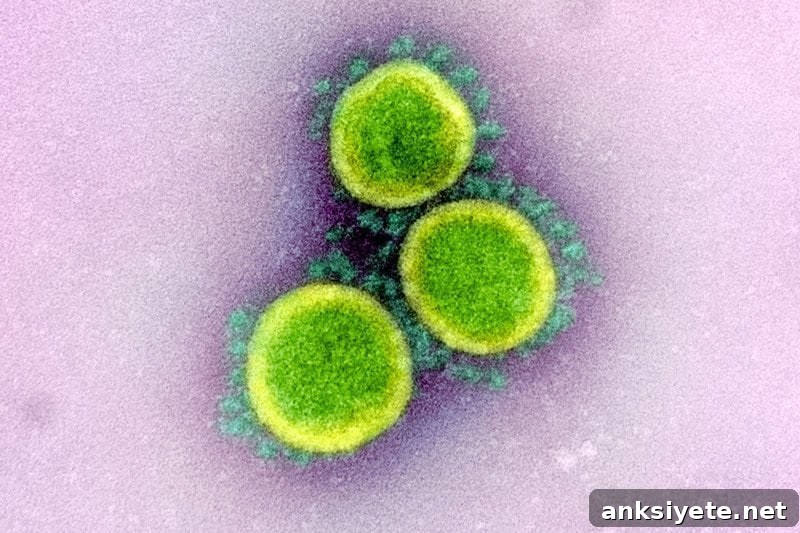
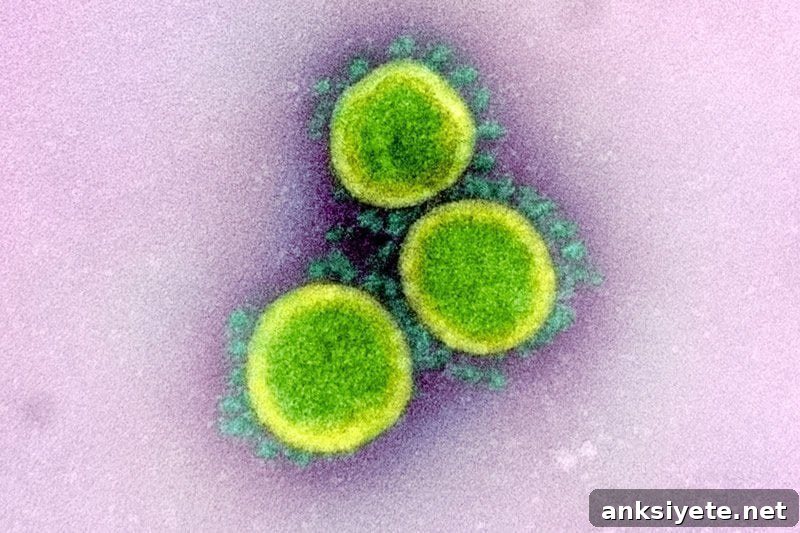
Most COVID-19 vaccine candidates target the coronavirus spike protein—the viral surface protein the immune system recognizes and remembers. Vaccines that trigger antibodies against the spike protein can block infection. PVP’s strategy pairs the spike antigen with adjuvants: molecules added to vaccines to amplify and shape the immune response.
“A precision adjuvant approach can strengthen, broaden, and prolong immunity, which is especially important for people with weaker responses such as the elderly,” says Levy. The PVP plans to screen a wide range of adjuvants, including established adjuvants and novel candidates discovered through the program’s NIH-funded Adjuvant Discovery initiative. These novel adjuvants were selected by screening directly against human immune cells—an approach Levy calls an example of precision vaccinology.
Age-specific testing
To find adjuvant combinations that work best for older adults, the team will test candidates in human white blood cells sourced from elderly donors and measure the immune responses they induce. Screens will compare single and combined adjuvants, with and without the coronavirus antigen, to identify formulations that produce an optimal response in older immune systems. These laboratory screens are already underway and will continue over the next several weeks, with the goal of selecting the most promising adjuvanted vaccine candidates for clinical testing in the months ahead.
Historically, early vaccine development rarely considers the differences between species or age groups. PVP’s use of age-specific human in vitro systems aims to de-risk development and accelerate an adjuvanted vaccine tailored for older adults, effectively bringing precision medicine principles into vaccinology.
Adjuvants can also reduce manufacturing costs by lowering the amount of antigen required per dose. “If we want to produce billions of vaccine doses, adjuvants can help because they enhance the immune response so much less antigen is needed to achieve protection,” Levy notes.
Preclinical testing in animals
Alongside human cell screening, the group is evaluating immune responses in animal models. The first mice have been inoculated with a spike protein derived from the SARS‑2003 coronavirus, administered with or without a leading adjuvant combination, to gain early insight into the antibody response and refine candidate formulations for further testing.
Collaborations supporting vaccine development
Several laboratories and investigators are contributing critical materials and expertise to the PVP effort:
- Barney Graham, deputy director of the Vaccine Research Center at the National Institute of Allergy and Infectious Diseases (NIAID), provided coronavirus spike protein material.
- Florian Krammer at the Icahn School of Medicine at Mount Sinai supplied SARS‑CoV‑2 virus isolates for study.
- Peter Hotez and Maria Bottazzi at Baylor University contributed antigen from the 2003 SARS outbreak.
- Lindsey Baden, director of clinical research at Brigham and Women’s Hospital, provided blood samples from elderly donors to enable age-specific immune profiling.
Envisioning a seasonal coronavirus vaccine platform
Looking beyond the current outbreak, the PVP aims to develop a systematic vaccine platform that could be rapidly adapted for future coronavirus emergence. David Dowling, instructor in pediatrics at Harvard Medical School and PVP member, notes that if SARS‑CoV‑2 becomes seasonal like influenza, the biomedical community may need to consider multivalent seasonal vaccines that protect against multiple coronavirus strains. The PVP plans to model elderly immune responses to different adjuvant–antigen combinations as surveillance identifies circulating coronavirus variants, enabling informed selection of formulations most effective for older populations.
Three general COVID-19 vaccine approaches
PVP investigators estimate there are more than two dozen vaccine candidates in development worldwide, which generally fall into three categories:
- RNA-based vaccines: These deliver viral RNA to stimulate immunity. They are innovative and promising, but large-scale manufacture and per-dose cost may pose challenges. Adjuvants could potentially reduce the RNA dose needed and improve responses in the elderly.
- DNA-based vaccines: Similar in concept to RNA vaccines, DNA approaches may allow higher yield manufacturing, but rapid scale-up and efficacy in elderly populations remain uncertain.
- Vaccines building on earlier coronavirus research: This is the strategy pursued by PVP—using established coronavirus antigens and improving performance with adjuvants tailored for older immune systems, which can also lower antigen requirements and reduce costs.
Source: Harvard
Media contact: Alice McCarthy – Harvard