
Summary: New research shows that excitatory neurons are particularly susceptible to the buildup of abnormal tau protein, a hallmark linked to Alzheimer’s disease.
Source: Ohio State University
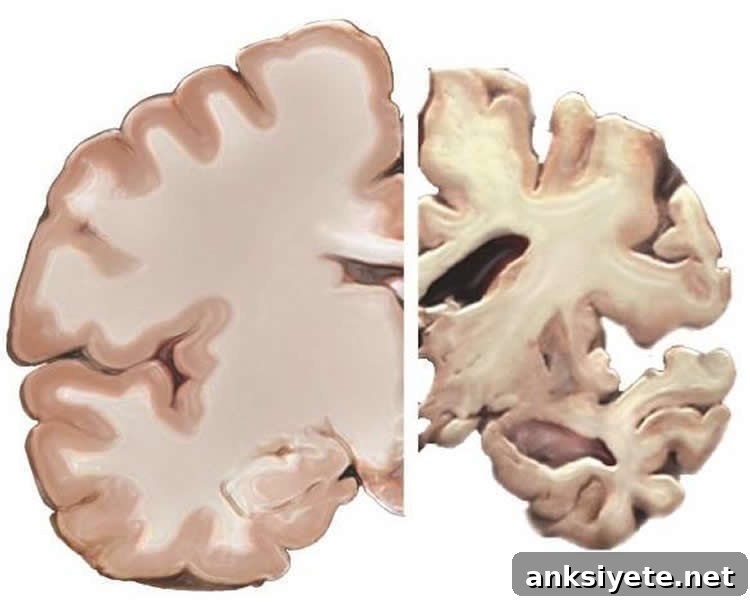
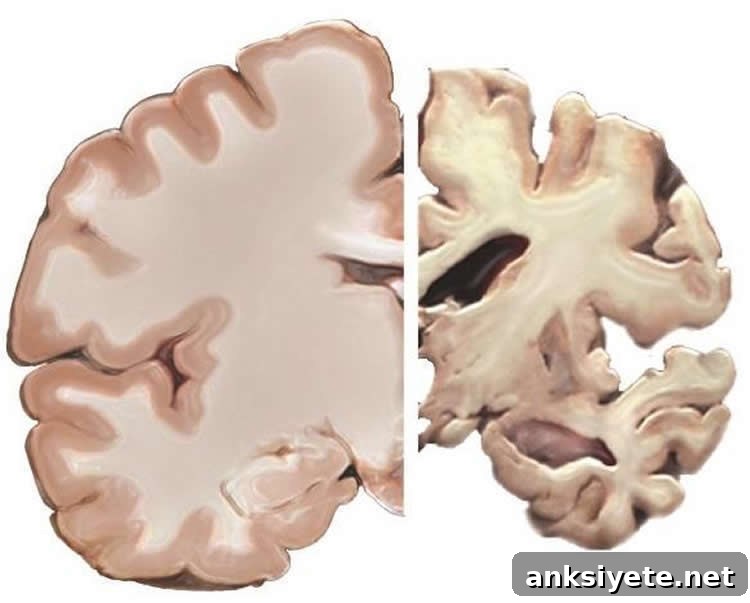
Improved detection, prevention and treatment strategies for Alzheimer’s disease require a detailed understanding of changes at the cellular level. A recent study provides new insight into why a particular class of brain cell appears especially vulnerable to the tau protein that accumulates in this disorder.
Investigators found that excitatory neurons—cells that promote neural signaling—are more likely than inhibitory neurons to accumulate abnormal tau protein. This selective accumulation helps explain why some neurons and brain regions are affected early in Alzheimer’s disease while others remain relatively spared.
The work, co-led by Hongjun “Harry” Fu of The Ohio State University together with Karen Duff of Columbia University and Michele Vendruscolo of the University of Cambridge, was published in Nature Neuroscience on December 17, 2018. Fu, who recently joined Ohio State from Columbia, is an assistant professor of neuroscience and a member of Ohio State’s Neurological Institute and Chronic Brain Injury program.
Historically, much Alzheimer’s research concentrated on amyloid beta plaques. This study shifts attention to tau, a normal neuronal protein that, when it becomes misfolded or abnormally concentrated, can clog cellular processes and ultimately kill neurons. Accumulation of pathological tau is associated not only with Alzheimer’s but also with other neurodegenerative conditions, including some forms of dementia and the aftermath of traumatic brain injury.
Using analyses of human brain tissue from people with Alzheimer’s disease and experiments in a mouse model, the researchers demonstrated that pathological tau builds up predominantly in excitatory neurons rather than in inhibitory neurons. To understand why excitatory neurons are more susceptible, the team examined single-nucleus RNA sequencing data from donors without neurological disease. This genetic analysis revealed a distinct “tau homeostasis signature”—a set of genes differentially expressed in excitatory versus inhibitory neurons—that likely contributes to the selective vulnerability.
Among these genes, BCL2-associated athanogene 3 (BAG3) emerged as a central, or “master regulator,” gene linked to the clearance of abnormal tau through autophagy-related pathways. The investigators validated BAG3’s role experimentally: lowering BAG3 levels in cultured neurons increased pathological tau accumulation, while overexpressing BAG3 reduced tau buildup. These results show that BAG3 and other components of the tau homeostasis signature help determine which neurons are most prone to tau pathology.
“We think there’s an intrinsic, early difference in the neurons that accumulate tau, and that difference helps explain why certain neurons and brain regions are affected early in Alzheimer’s disease,” Fu said. Identifying the molecular determinants of vulnerability could improve early detection and point toward cell-targeted therapies.
The study emphasizes that vulnerability to tau pathology is not solely determined by neuronal identity. Other brain cells—microglia, astrocytes and oligodendrocytes—also influence disease progression, and the authors plan to investigate how these cells communicate and modulate neuronal susceptibility. In addition, environmental and systemic factors such as traumatic brain injury, diabetes, poor sleep, depression and other stresses have been linked to increased Alzheimer’s risk; future work will examine how these external factors interact with intrinsic cellular differences.
Funding for the study came from the National Institutes of Health, the Alzheimer’s Association, The BrightFocus Foundation, the Tau Consortium and the Cure Alzheimer’s Fund.
Funding: National Institutes of Health; Alzheimer’s Association; The BrightFocus Foundation; the Tau Consortium; Cure Alzheimer’s Fund.
Source: Hongjun Fu – Ohio State University
Publisher: Organized by NeuroscienceNews.com
Image Source: NeuroscienceNews.com image is in the public domain.
Original Research: Abstract for “A tau homeostasis signature is linked with the cellular and regional vulnerability of excitatory neurons to tau pathology” by Hongjun Fu et al., Nature Neuroscience. Published December 17, 2018.
doi: 10.1038/s41593-018-0298-7
MLA: Ohio State University. “One Type of Brain Cell May Invite Alzheimer’s.” NeuroscienceNews. 17 December 2018.
APA: Ohio State University (2018, December 17). One Type of Brain Cell May Invite Alzheimer’s. NeuroscienceNews.
Chicago: Ohio State University. “One Type of Brain Cell May Invite Alzheimer’s.” NeuroscienceNews. Accessed December 17, 2018.
Abstract
A tau homeostasis signature is linked with the cellular and regional vulnerability of excitatory neurons to tau pathology
Excitatory neurons are preferentially impaired in early Alzheimer’s disease, yet the pathways driving their relative vulnerability remain unclear. This study reports that pathological tau accumulation occurs predominantly in excitatory neurons rather than inhibitory neurons, both in the entorhinal cortex—a region affected early in Alzheimer’s—and in other regions affected later. Analysis of single-nucleus RNA transcripts identified a tau homeostasis signature: a set of genes differentially expressed in excitatory versus inhibitory neurons. BAG3, a gene that facilitates autophagy, emerged as a hub or master regulator. Experimental reduction of BAG3 in primary neurons worsened pathological tau accumulation, while BAG3 overexpression lessened it. These results define a tau homeostasis signature that helps explain the cellular and regional vulnerability of excitatory neurons to tau pathology.