Why the Brain Values Stolen Money Less

featured 40434

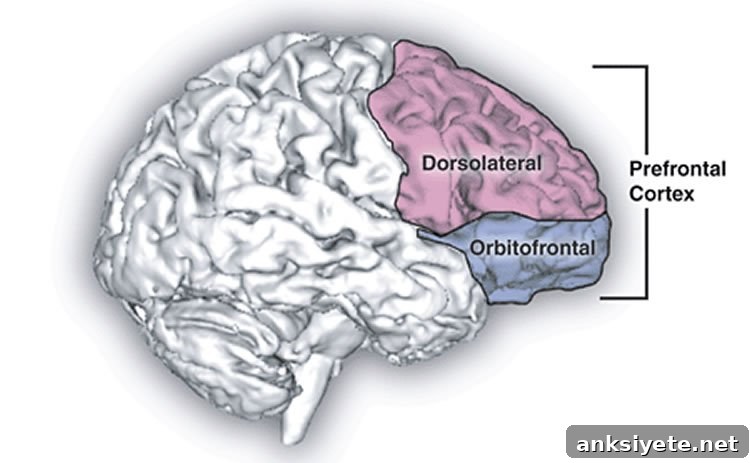
Summary: A UCL-led study finds that the brain treats money obtained through harming others as less valuable than money earned without harming anyone. Source: UCL Ill-gotten gains register as less valuable in the brain than ethically earned rewards, new study shows A new study led by researchers at University College London (UCL) and published in … Read more

Addiction Speeds Brain Aging via Distinct Molecular Pathways

featured 109349

Summary: New research shows that substance use disorders (SUDs) accelerate biological aging in the brain through substance-specific molecular pathways. Using brain-focused epigenetic clocks, investigators identified distinct patterns of neurodegeneration associated with alcohol, opioids, and stimulants, particularly affecting brain regions responsible for decision-making and executive control. Although the molecular routes differ by substance, common drivers—oxidative stress, … Read more

How Teen Stress Responses Shape Immunity

featured 52904

Summary: A new study finds that adolescents who experience ongoing family stress show differences in blood pressure and immune responses to bacterial challenges. Teens who habitually reframe stressful situations had lower blood pressure and healthier body measurements, while those who commonly suppressed their emotions showed stronger inflammatory responses in immune cells. Source: Penn State How … Read more

Mouse Brain Region Integrates Sound and Motion Signals

featured 61887

Summary: New research in mice shows that the inferior colliculus processes movement and sound at the same time, and that movement-related signals can reshape how external sounds are represented. Source: eLife New research provides clearer insight into how the brain integrates auditory and motor information. Researchers publishing in the open-access journal eLife report that a … Read more

Early Childhood Deprivation Predicts Adult Impulsivity

featured 88198

Summary: New research links childhood deprivation to a greater tendency for impulsive choices, a trait associated with higher risk of addiction, obesity and other long-term health problems. Source: Aston University Children who grow up in deprived conditions are more likely to favor immediate rewards over larger delayed ones, a pattern of decision-making that increases risk … Read more

How Background Noise Alters Brain Activity and Focus

featured 60171

Summary: Researchers found that background sounds alter brain activity during cognitive tasks. Playing outdoor ambient noise produced the largest changes, highlighting how everyday environments influence attention and perception. Source: University of Alberta Background noise affects attention and brain signals, and scientists at the University of Alberta are exploring what those effects mean for both basic … Read more

Touring the Brain: A Visual Guide to How the Mind Works

featured 22116

A new imaging tool developed by researchers in Boston promises to transform how we explore the brain, much like how the telescope transformed space exploration. In the first published demonstration of the technology, appearing July 30 in the journal Cell, the team generated nanoscale-resolution images of an adult mouse brain region—revealing structural detail at a … Read more

Study Finds ITSN1 Variant Raises Parkinson’s and Autism Risk

featured 108088

Summary: Researchers have identified rare genetic variants in the ITSN1 gene that markedly raise the risk of developing Parkinson’s disease. Analyzing nearly 500,000 genetic profiles, the team found that people who carry ITSN1 variants that reduce the gene’s function may face up to a tenfold increase in Parkinson’s risk. The study also ties ITSN1 to … Read more

Penn Vet Finds New Therapeutic Target for Parkinson’s Disease

featured 8193

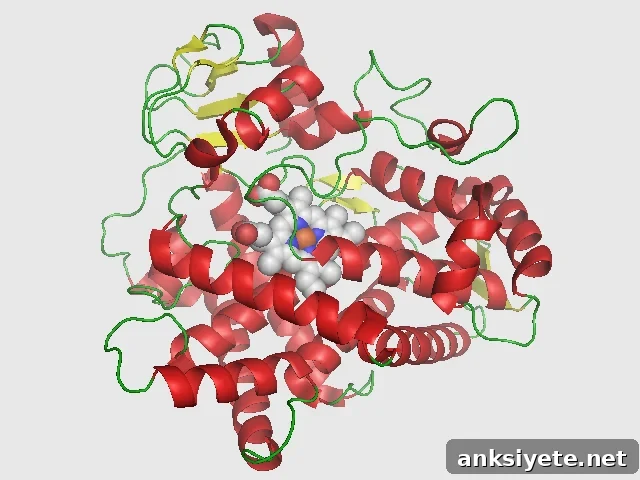
New research from the University of Pennsylvania School of Veterinary Medicine identifies mitochondrial CYP2D6 as a promising target for reducing brain damage linked to Parkinson’s disease. Researchers often model Parkinson’s disease in animals by exposing them to MPTP, a contaminant found in the illicit opioid MPPP. MPTP selectively harms neurons that depend on dopamine, causing … Read more

Antibody Therapy for OCD Shows Promise

featured 64460

Summary: Researchers report that people with obsessive-compulsive disorder (OCD) show roughly six times higher expression of a newly identified protein, Immuno-moodulin (Imood), in their lymphocytes compared with people without the disorder. In mouse models, blocking Imood with a neutralising antibody reduced behaviors reminiscent of OCD and anxiety within days of treatment. Source: Queen Mary University … Read more