Why People with Mind-Blindness Aren’t Afraid of Ghosts

featured 72335

Study Finds People with Aphantasia Are Less Physically Affected by Scary Stories Summary: People with aphantasia — a condition characterized by an inability to form visual mental images — show a reduced physiological fear response when reading frightening stories. A new study from the University of New South Wales suggests mental imagery plays a stronger … Read more

Why a Good Night’s Sleep Improves Memory Recall

featured 21984

New research from the University of Exeter and the Basque Centre for Cognition, Brain and Language indicates that sleep does more than protect memories from fading: it can make previously inaccessible memories easier to retrieve. Researchers found that a night of sleep increases the likelihood of recalling items that could not be remembered while awake. … Read more

How Noncoding DNA Regulates Circadian Rhythms

featured 70327

Summary: Researchers reveal the role hundreds of miRNAs appear to play in modulating circadian rhythm. Source: USC If you’ve ever suffered from jet lag, you know how disrupting the circadian rhythm can sap energy and impair performance. Molecular circadian “clocks” operate in cells across the body and influence far more than sleep and wake cycles; … Read more

Maturing Brain Reverses Amygdala Role in Stress Hormones

featured 15725

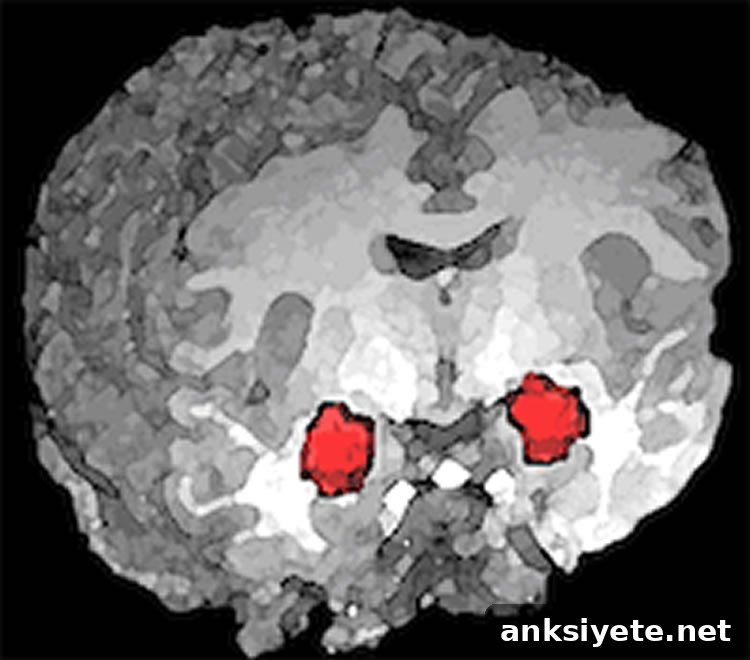
Contrary to evidence that the amygdala typically drives stress responses in adults, researchers at the Yerkes National Primate Research Center at Emory University report that during early development the amygdala appears to suppress stress hormones in nonhuman primates. The study’s findings are published in the Journal of Neuroscience. The amygdala is a key brain region … Read more

How Much Screen Time Is Too Much for a Child’s Developing Brain

featured 40872

Summary: Researchers report that 11-year-olds who watch more than three hours of television a day tend to have weaker language skills than peers who watch less. More than Three Hours of TV a Day Linked to Weaker Language Skills in 11-Year-Olds, Study Finds Researchers from Newcastle University, Queen Margaret University, La Trobe University and Griffith … Read more

Synapse Dysfunction Links Diverse Genetic Brain Disorders

featured 19004

Picower Institute researchers demonstrate that different genetic causes of autism and intellectual disability can respond to the same treatment Several inherited genetic disorders lead to intellectual disability and autism spectrum conditions. For many years these disorders were considered largely untreatable, but recent work in animal models has shown that some debilitating effects of specific gene … Read more

Early Dementia Impairs Face Recognition and Memory

featured 45101

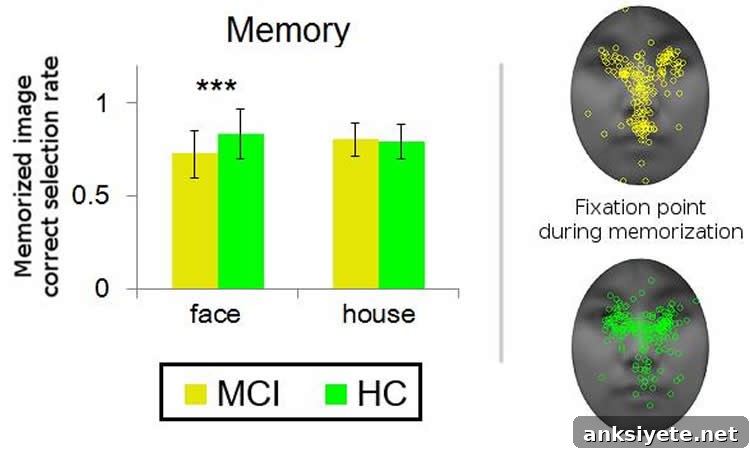
Summary: Researchers at Kumamoto University found that older adults with mild cognitive impairment (MCI) have a notably reduced ability to memorize human faces in the short term compared with cognitively healthy peers. The study also found altered gaze patterns in MCI patients during face memorization, suggesting potential markers for early dementia detection. Source: Kumamoto University. … Read more

Fruit Peel Compound Stops Damage, Promotes Nerve Repair in MS

featured 63846

Summary: Ursolic acid, a natural compound found in the peels of fruits like apples and prunes and in several herbs, reduced further nerve damage and promoted remyelination in mouse models of multiple sclerosis (MS). The study shows ursolic acid suppresses Th17 immune cells, important drivers of the autoimmune response in MS, while also encouraging cells … Read more

New Research Reveals How the Brain Decodes Vision

featured 8569

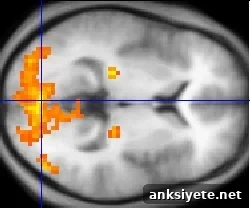
Scientists Identify Two Small Brain Areas That Separately Process Orientation and Shape Researchers from the Universities of York and Bradford have located two neighbouring regions of the visual cortex that play distinct, causal roles in how we perceive orientation and shape. Using high-resolution functional magnetic resonance imaging (fMRI) at the York Neuroimaging Centre (YNiC), the … Read more

How Sleep Helps the Brain Recover

featured 70416

Summary: Resting quietly does not substitute for deep sleep when it comes to meeting the intensive performance demands of daily life; sleep uniquely supports improvement after training. Source: University of Freiburg Sleep actively enhances learning and performance Sleep is a universal and essential biological state for animals and humans, and it plays an active role … Read more