Big Data Study Uncovers New Drug Target for Epilepsy
featured 51117

Summary: CRAFT, a new computational framework created to accelerate drug discovery, has helped scientists identify a promising therapeutic target for epilepsy. Source: Imperial College London. New computational framework for drug discovery identifies a possible therapeutic target for epilepsy CRAFT — the Causal Reasoning Analytical Framework for Target discovery — is a computational approach developed through … Read more

New Study Links Father’s Age and Lifestyle to Birth Defect Risk

featured 31303

Summary: A new review examines links between birth defects in children and paternal factors such as age, alcohol use, obesity, stress, and other environmental exposures, highlighting epigenetic mechanisms that may affect multiple generations. Source: Georgetown University Medical Center Researchers at Georgetown University Medical Center report growing evidence that a father’s age, alcohol use and environmental … Read more

Few Long Range Connections Tie Distant Brain Regions

featured 81374

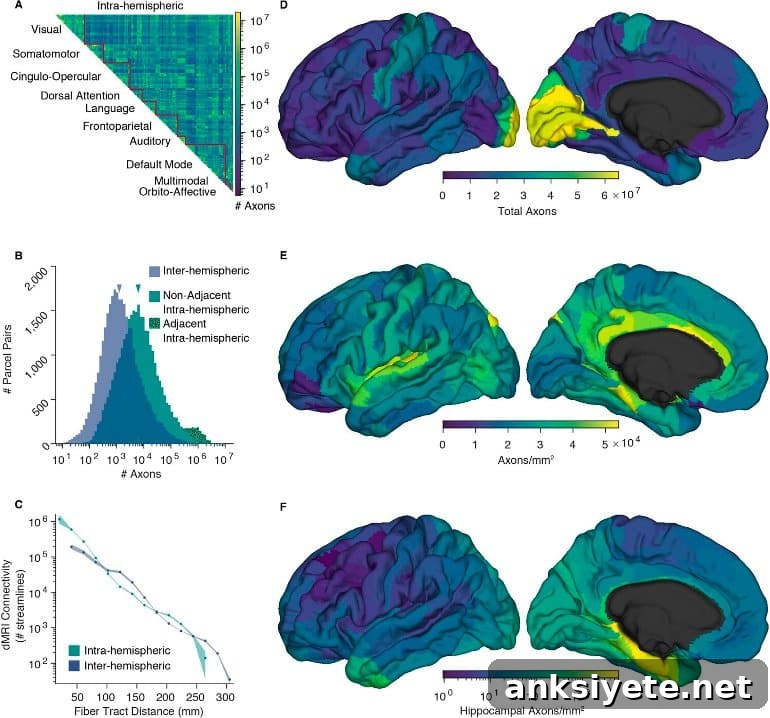
Summary: New estimates indicate axon density between distant brain regions is far lower than previously assumed. Source: PLOS Understanding how the brain processes information across activities depends on knowing how many axons exist and how densely different functional regions are interconnected. In a study led by Burke Rosen and Eric Halgren at the University of … Read more

Gut Microbiome Shifts Could Predict Early Alzheimer’s

featured 94700

Summary: The gut bacterial community in people at the earliest, pre-symptomatic stage of Alzheimer’s disease differs substantially from that of cognitively healthy individuals. These differences suggest the gut microbiome could serve as a noninvasive marker to identify individuals at higher risk for dementia and might point toward microbiome-based strategies to prevent or slow cognitive decline. … Read more

New Study Reveals How Memories Form in the Brain

featured 81711

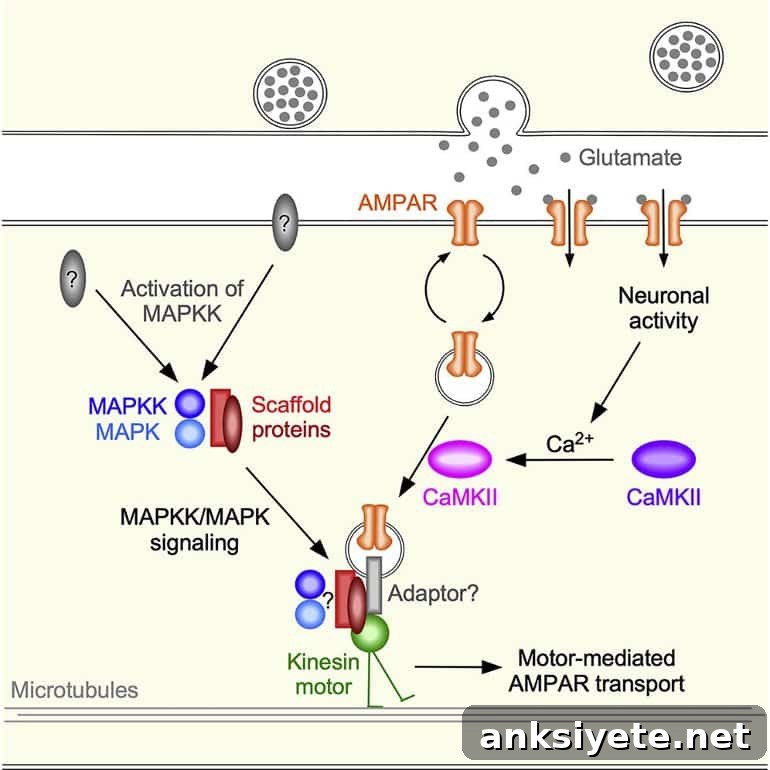
Summary: New research identifies a previously unknown role for a scaffolding protein complex in transporting glutamate (AMPA) receptors to synapses, a process that influences memory formation and maintenance. Source: Colorado State University “We are our memories,” is a phrase often quoted by Assistant Professor Frédéric J. Hoerndli and his team. Hoerndli, a neuroscientist in the … Read more

Neanderthal Gene Variants Linked to Autism

featured 33340

Summary: Researchers report that a distinctive gene structure arose recently in human evolution and spread with remarkable speed. Source: University of Washington A recently emerged genetic structure on chromosome 16 explains a major human–Neanderthal difference and raises autism risk, UW Medicine co-author says Scientists have identified a DNA structure that represents one of the largest … Read more

Study Links Large Transporter Protein to Schizophrenia Risk

featured 70217

Summary: Mutations in the cholesterol-transporting protein ABCA13 are linked to schizophrenia-like behaviors in mouse models and impair cholesterol trafficking in neurons. Source: Kyoto University Researchers led by Kazumitsu Ueda at Kyoto University’s Institute for Integrated Cell-Material Sciences (iCeMS) report new evidence that loss of ABCA13 function disrupts cholesterol handling in brain cells and produces behavioural … Read more

Genetics and Alzheimer’s Risk: What Research Shows

featured 50215

Summary: Researchers report that enhancing the brain’s ability to convert glucose into usable energy may reduce risk factors and delay the onset of Alzheimer’s disease in people who carry high-risk genes. Source: SfN The strongest genetic risk factor for Alzheimer’s disease may interfere with the brain’s ability to turn its primary fuel into usable energy, … Read more

Kids Prefer Alexa Over Roomba but Say Both Deserve Kindness

featured 92281

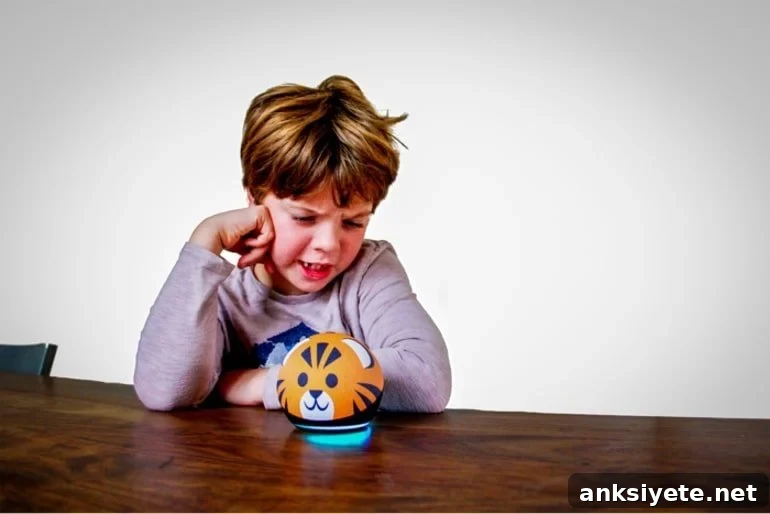
Summary: Children ages 4–11 tend to view Amazon’s Alexa as having more human-like thoughts and feelings than a Roomba vacuum, yet they generally agree that neither device should be yelled at or harmed. Those protective attitudes decrease as children move into adolescence. Source: Duke University Most children learn early that yelling at or hitting another … Read more

Alzheimer’s Gene Linked to Shrinking Brain Neurons

featured 115967

Summary: For roughly one in four people who carry the APOE4 variant, the brain’s wiring begins to change decades before memory loss appears. A new landmark study maps the precise molecular chain linking neuronal APOE4 to early hippocampal hyperactivity and later cognitive decline. Researchers found that APOE4 produced inside neurons drives an increase in the … Read more