Researchers Reveal Strategy to Beat Procrastination
featured 78835

Summary: New field research indicates that to reduce procrastination you should either avoid specifying a deadline or set a very short one; long deadlines can unintentionally encourage delay and lower response rates. Source: University of Otago Deadlines can prompt action, but longer deadlines often have the opposite effect. Researchers at the University of Otago report … Read more
Early Brain Activity Patterns Linked to Autism

featured 67073

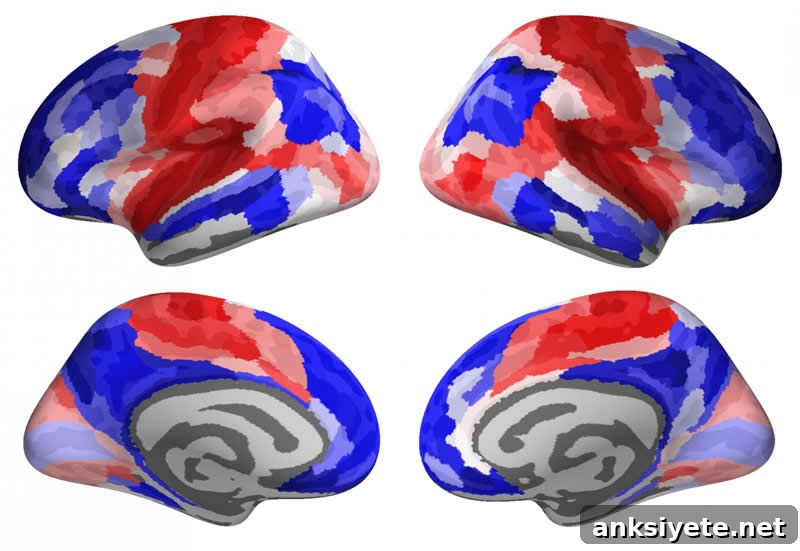
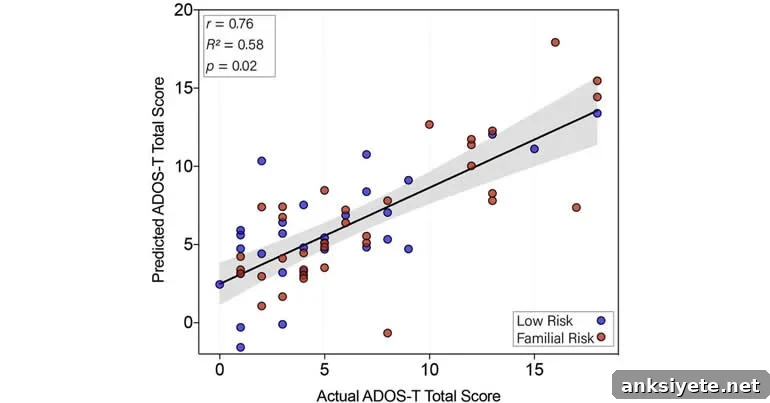
Summary: Patterns of brain activity measured in infancy can forecast autism-related symptoms at 18 months. Infants who later exhibited higher autism symptoms showed reduced connectivity among frontal brain regions and increased connectivity across right-hemisphere temporoparietal areas involved in social information processing. Source: Elsevier Autism spectrum disorder (ASD) is often not diagnosed until behavioral symptoms become … Read more

How Specific Brain Circuits Shape Mental Wellbeing

featured 86581

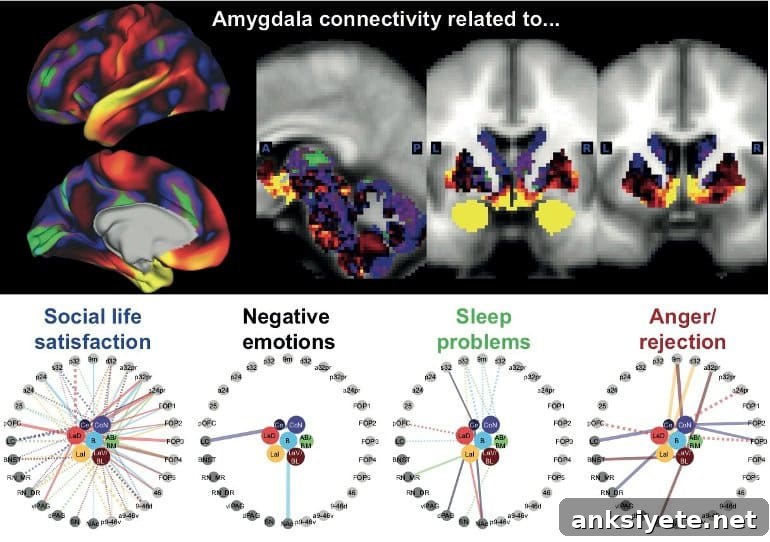
Summary: Linking specific changes in brain connectivity to different aspects of mental well-being is a crucial step toward identifying precise targets for future mental health treatments. Source: University of Oxford Associate Professor Miriam Klein-Flügge and her team examined brain connectivity and detailed measures of mental well-being in nearly 500 participants. Their focus was the amygdala, … Read more

Scientists Track Neurons During Learning and Memory Recall

featured 12073

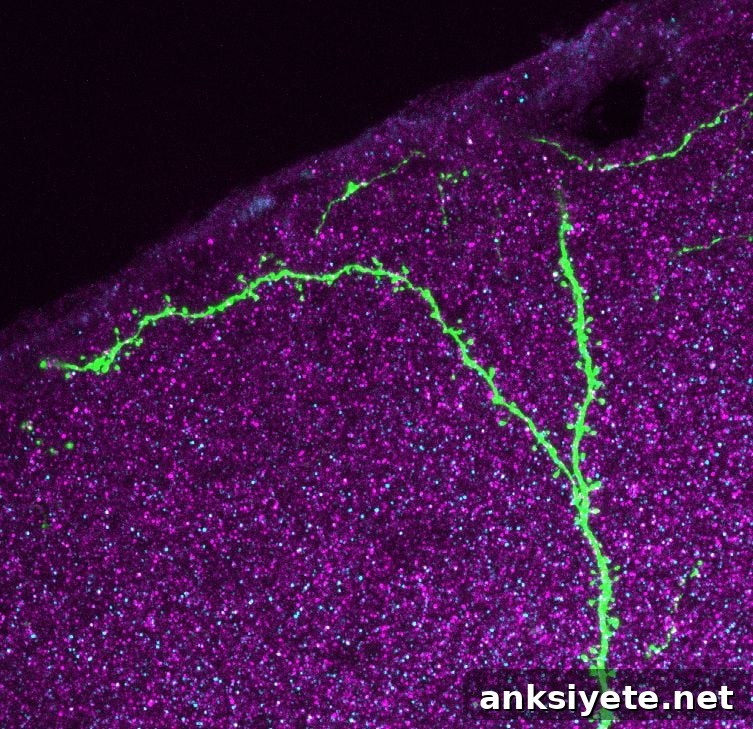
A team of neurobiologists led by Simon Rumpel at the Research Institute of Molecular Pathology (IMP) in Vienna has tracked single neurons in live mouse brains over several weeks, revealing how synaptic structures change during memory formation and what happens when memories are recalled. Their detailed observations were published in PNAS Early Edition. Our behavior … Read more

Are Dead Bacterial Fragments Causing Lingering Lyme Symptoms?

featured 80171

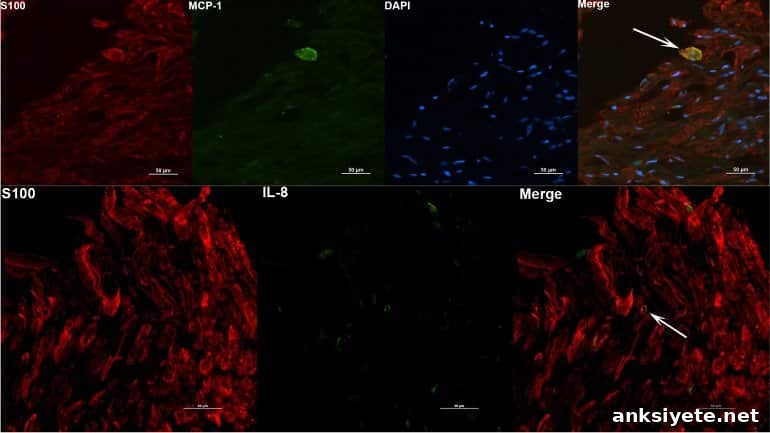
Summary: Remnants of the Lyme disease bacterium Borrelia burgdorferi may drive the persistent neuroinflammation observed in some patients after antibiotic treatment. New findings from Tulane University show that non-viable bacterial fragments provoke stronger inflammatory responses in nervous tissue than live bacteria. Source: Tulane University Many patients continue to experience debilitating symptoms after standard antibiotic therapy … Read more

Altered Viral Coat Allows Brain Virus to Evade Antibodies

featured 69359

Summary: Genetic mutations in the capsid of JCPyV can enable the virus to evade neutralizing antibodies, increasing the risk of brain infection. Source: Penn State Researchers at Penn State College of Medicine report that a single genetic change in the outer shell of a polyomavirus can allow the virus to escape antibody recognition. Their findings … Read more

Adolescent Brain Networks Activate to Ready Teens for Adulthood

featured 61951

Summary: Functional connectivity in the human brain undergoes two distinct patterns of change during adolescence. Source: University of Cambridge New neural networks come online during adolescence, enabling teenagers to build more complex social and cognitive skills while also creating windows of increased vulnerability to mental illness, according to new research published in the Proceedings of … Read more

Why Sad Songs Make Us Feel Good: Science of Music and Emotion

featured 78929

Summary: Researchers examine the psychological and neurobiological reasons why listening to sad music can feel pleasant and emotionally uplifting. Source: The Conversation Adele’s latest album, 30, has finally been released. Millions streamed its lead single, Easy On Me, which evokes emotions that are hard to put into words. Most listeners would agree it is a … Read more

Intermittent Fasting: How It Lowers Inflammation

featured 99793

Summary: Researchers have identified a mechanism by which fasting reduces inflammation: fasting raises blood levels of arachidonic acid, which suppresses the NLRP3 inflammasome and lowers inflammatory signaling. This finding helps explain some benefits of calorie restriction and suggests links between diet, common anti-inflammatory drugs, and protection from chronic diseases driven by inflammation. A new study … Read more

Study Links Tissue Repair Processes to Brain Cancer

featured 70323

Summary: New research suggests some brain tumours may develop when damaged brain tissue attempts to heal but is derailed by genetic mutations. The study indicates that certain glioblastomas originate when normal repair processes shift into a chronic, inflammation-driven state—possibly years before patients show symptoms. Source: University of Toronto Researchers in Toronto report that the brain’s … Read more