Mapping Neural Connectivity of the Brain’s Reading Network

featured 80780

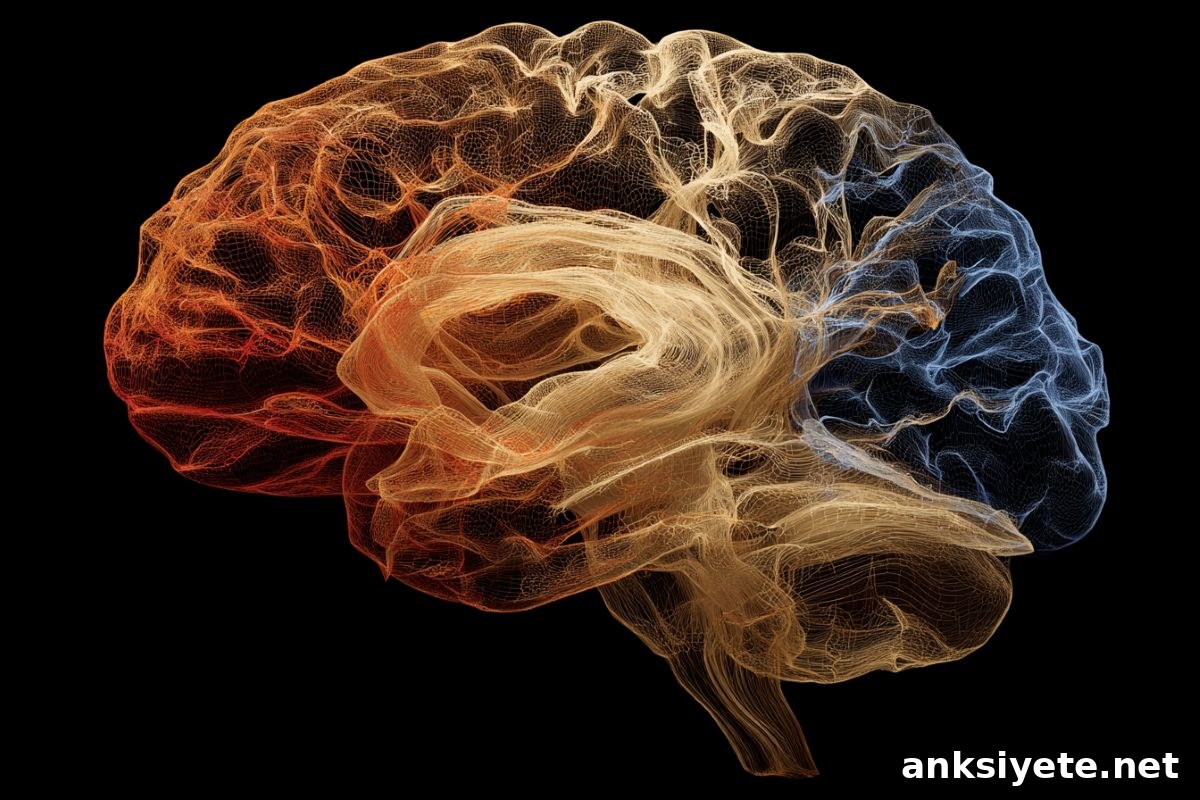
Summary: Large-scale brain imaging finds surprisingly few clear links between white matter microstructure and children’s reading performance. Source: MIT Reading depends on fast, coordinated communication among language regions across the brain, with information traveling along white matter pathways that connect those areas. Many researchers have proposed that differences in white matter organization could explain why … Read more

Midlife: Critical Period for Predicting Cognitive Decline

featured 100757

Summary: New research highlights middle age as a critical period for understanding and predicting later-life cognitive health. Scientists argue that ages roughly between 40 and 65 mark a distinct phase in brain aging when structural, molecular, and functional changes emerge that can influence the risk of dementia. Identifying and addressing these changes during midlife could … Read more

Cancer Drug Stops Harmful Protein Buildup in the Brain

featured 9611

Low Doses of Leukemia Drug Clear Toxic Proteins and Improve Symptoms in Mouse Models of Parkinson’s Disease Researchers at Georgetown University Medical Center report that very small doses of a leukemia medication can prevent the accumulation of toxic proteins associated with Parkinson’s disease in mice. Published online May 10 in Human Molecular Genetics, the study … Read more

Why Cannabis Affects Women Differently: Hormones & Symptoms

featured 52100

Summary: A new review examines biological sex differences in responses to cannabis. Researchers report that women may develop problematic cannabis use faster than men and that females show distinct endocannabinoid levels and more sensitive receptors in brain regions tied to social behavior. Source: Frontiers. Cannabis use has increased alongside decriminalization, legalization and the rise of … Read more

How GLP-1 Drugs Target the Root Causes of Dementia

featured 116467

Summary: Common weight-loss and type 2 diabetes drugs known as GLP-1 receptor agonists (including semaglutide and liraglutide) have robust preclinical evidence showing they reduce the core biological markers of Alzheimer’s disease. A systematic review of 30 preclinical studies reports consistent reductions in the two hallmark proteins that define Alzheimer’s pathology — amyloid-beta and hyperphosphorylated tau. … Read more

Childhood Mild to Moderate Hearing Loss Rewires Sound Processing

featured 59863

Summary: Brain responses to sound in older children with mild-to-moderate hearing loss are reduced compared with their peers who have normal hearing. Source: University of Cambridge Overview: Deafness in early childhood is known to cause lasting changes in how the brain processes sound. New research published in eLife shows that even mild-to-moderate sensorineural hearing loss … Read more

Scientists Discover Non-Repeating Genomic Master Clock

featured 117382

Summary: A new study in genetics and developmental biology resolves a long-standing question about how organisms control the precise timing of growth milestones. Using the model organism C. elegans, researchers discovered that a feedback circuit formed by two proteins, MYRF-1 and LIN-42, functions as the genome’s master developmental clock. This circuit produces a finite series … Read more

Hidden Brain Pulses Preserve Neural Circuits During Inactivity

featured 65909

Summary: Researchers identified previously unseen spontaneous neuronal pulses that appear when a limb is immobilized, offering insight into how the brain preserves and restores motor pathways after injury or illness. Source: WUSTL A Washington University School of Medicine neuroscientist’s neon-pink arm cast led to the discovery of brief, spontaneous brain activity pulses that emerge when … Read more

Autism Brain Development: Age-Specific Changes Explained

featured 19987

Researchers at the University of Miami find that large-scale connectivity in autism changes with age. Autism spectrum disorder (ASD) is associated with alterations in how brain regions communicate. A new study from the University of Miami reports that large-scale patterns of functional brain connectivity in people with autism differ from typically developing (TD) individuals and … Read more

Are We Really Polarized? Perception vs Reality

featured 111473

Summary: A new study challenges the common belief that society is steadily becoming more polarized. It shows that people’s impressions of deep division often arise from the degree of agreement inside their own social circles. The researchers present a new approach that separates actual opinion divergence from how polarized people feel society is. The analysis … Read more