Why Our Brains Crave Revenge: The Neuroscience Explained

featured 62844

Summary: During intergroup conflict, oxytocin levels rise and influence activity in the medial prefrontal cortex. This neural response increases empathy and cohesion within the affected group and is associated with a stronger desire to retaliate against rivals. These findings illuminate a possible neurobiological pathway behind how conflicts can spread through social groups. Source: eLife New … Read more

Why Identical Faces Trigger Unease Beyond the Uncanny Valley

featured 77024

Summary: A new study explores how people react to identical faces—a phenomenon with implications for humanoid robots and other humanlike replicas. Source: Ritsumeikan University As robotics and computer-generated characters grow ever more lifelike, films like Terminator and Ex Machina imagine machines indistinguishable from humans. If such humanlike robots became widespread, how would we respond when … Read more

PET Scan Shows Brain Inflammation in Progressive Speech Disorder

featured 111126

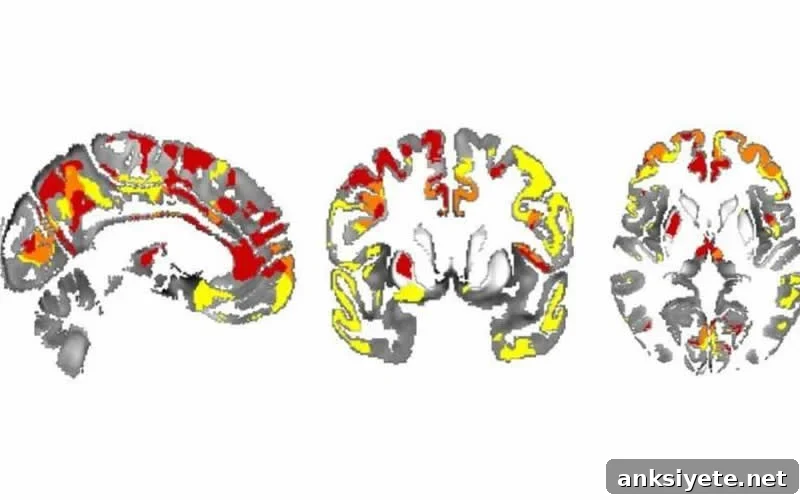
Summary: A new PET imaging study has identified distinct patterns of neuroinflammation in patients with progressive apraxia of speech (PAOS), a rare neurodegenerative disorder that disrupts the brain’s ability to plan and program speech movements. Using TSPO PET imaging with the radiotracer 11C-ER176, researchers observed increased inflammation in regions that control speech and motor function. … Read more

Childhood Trauma Reshapes Brain Connectivity in Depression

featured 55335

Summary: Researchers report that adults with major depressive disorder who experienced childhood trauma show persistent abnormalities in resting-state brain network connectivity. Source: University of Pennsylvania Overview A team at Penn Medicine has identified a link between childhood trauma and lasting differences in brain network connectivity among adults diagnosed with major depressive disorder (MDD). Published in … Read more

How Hate Speech Hijacks the Brain and Drives Polarization

featured 95145

Summary: Researchers examining the language used by dictators and organized hate movements have identified a common pattern: dehumanizing metaphors that prime the brain to accept and amplify hatred. These metaphors activate entrenched neural pathways, bypassing reflective reasoning and directing attention toward specific hostile meanings. Repeated exposure to this kind of language reinforces those neural circuits, … Read more

Study Finds Doxycycline May Lower Schizophrenia Risk

featured 113742

Summary: A large population-based study indicates that doxycycline, a commonly used antibiotic, is associated with a lower risk of developing schizophrenia when prescribed to adolescents attending mental health services. An analysis of more than 56,000 young patients found that those treated with doxycycline had a roughly 30–35% reduced chance of receiving a schizophrenia diagnosis in … Read more

How Unemployment Is Harming Young People’s Mental Health

featured 23793

New research finds that young people who are not in education, employment or training (NEET) are highly motivated to work but face greater vulnerability to mental health problems. The study was carried out by researchers at the Institute of Psychiatry, Psychology & Neuroscience (IoPPN) at King’s College London in collaboration with teams at Duke University … Read more

GABA Receptors Identified as Novel Antidepressant Targets

featured 96061

Summary: New research highlights the neurotransmitter GABA and its principal receptors, particularly GABA-A receptors, as promising targets for treating depressive disorders. The authors describe potential mechanisms by which therapies that modify GABA signaling could relieve both mood-related and cognitive symptoms of depression. The review brings together evidence that drugs which either enhance or transiently inhibit … Read more

Brain Iron Linked to Cognitive Decline in Parkinson’s Disease

featured 62583

Summary: Measuring iron deposits in the brain with advanced MRI may help clinicians predict which people with Parkinson’s disease are at greater risk of cognitive decline and dementia. Source: UCL An advanced MRI method that maps iron in specific brain regions can track declines in thinking, memory and movement in Parkinson’s disease, according to a … Read more

Hidden Molecules Could Transform Immune System Research

featured 35235

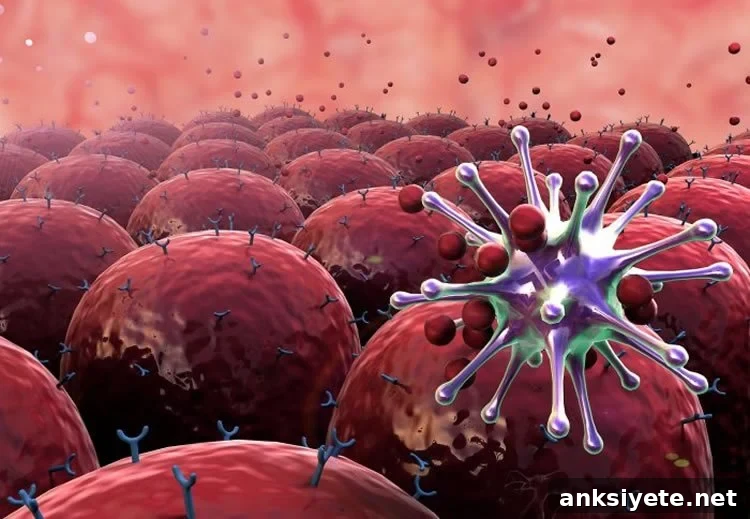
Summary: Researchers have identified thousands of previously overlooked immune system signals. This discovery could reshape understanding of immune recognition and has potential implications for immunotherapies, autoimmune disease research and vaccine development. Source: Imperial College London. Thousands of previously unknown immune system signals have been identified, revealing a far larger role for spliced epitopes than was … Read more